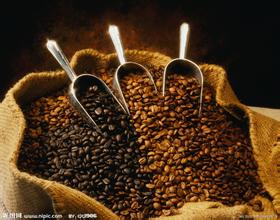
What Makes Colombian Coffee Special? A Complete Guide
If you’ve ever ordered a classic café latte or Americano in a coffee shop and wondered why it tastes balanced—not too sharp, not too bitter—you’re likely tasting Colombian coffee. But what exactly makes Colombian beans so widely used and consistently well-balanced? This guide breaks down everything you need to know about Colombian coffee, from its origins and farming methods to its global reputation.
In short: Colombian coffee is prized worldwide for its smooth, medium-bodied profile with bright acidity and low bitterness. Most beans are washed (wet-processed), grown between 1,300–2,000 meters in the Andes, and roasted to medium for optimal balance. Over 2.7 billion coffee trees thrive in Colombia’s unique climate, making it the world’s largest exporter of washed Arabica.
History of Colombian Coffee
Coffee arrived in Colombia during the 16th-century Spanish colonization, though the exact path is debated. Some say it came via the Caribbean and Central America; others cite a priest who introduced beans from French colonies in Venezuela around 1808. Historical records confirm coffee cultivation in Colombia by 1730 along the Meta River, with missionaries spreading it throughout the country by the late 1700s. By the 19th century, coffee became a major crop, later earning Colombia the nickname “the land of coffee.”
Growing Conditions and Geography
Colombia’s coffee thrives thanks to its unique terroir. The majority of plantations lie in the Andes Mountains, especially along three cordilleras that run north to south. Farms sit at elevations from 1,300 to over 2,000 meters, where temperatures average around 18°C year-round and annual rainfall ranges from 2,000 to 3,000mm. Unlike Brazil, frost is rare, allowing for year-round harvesting in some zones.
The terrain creates microclimates where coffee ripens at different times, enabling staggered harvests. Key regions include Antioquia, Huila, Tolima, Cauca, and Nariño. Soils are rich and volcanic, and the shade of taller trees—often planted alongside coffee—slows maturation, enhancing sugar and aroma development. About 66% of coffee grows on modern farms, while 34% comes from smallholder plots averaging just 2 hectares, with 3,000–5,000 trees each.

Major Producing Regions and Coffee Zones
Colombia’s coffee is grouped into three main regions: northern, central, and southern. The famed “coffee triangle” includes the cities of Armenia, Manizales, and Medellín (formerly in the Antioquia province). These areas, especially Medellín, Armenia, and Manizales (collectively called “MAM”), produce some of the country’s most balanced and full-bodied beans. Southern regions like Nariño, growing at over 1,500m, are gaining acclaim for high-scoring lots, with Nariño Supremo sought after by specialty roasters including Starbucks.
Varieties and Processing Methods
Nearly all Colombian coffee comes from Coffea arabica, primarily the Typica, Caturra, and newer hybrid varieties like Castillo and Colombia. Arabica is favored for its smoother cup compared to the harsher Robusta (Coffea canephora). Over 95% of Colombian exports are washed (wet-processed), ensuring cleaner flavours and brighter acidity. The beans are sorted manually during harvest to select only ripe cherries, improving cup quality.
Coffee in Colombia is classified into more than 200 grades. The top tier is Supremo (17/18 screen size or larger), followed by Excelso. Only beans sized 18/64 inch or greater qualify as specialty-grade Supremo. The most celebrated lots often come from Huila or Nariño, with distinct profiles shaped by elevation and processing finesse.
Flavour Profile and Cup Characteristics
Colombian coffee is famously balanced. Expect a medium body, mild to moderate acidity, and a clean, approachable bitterness. Flavour notes often include caramel, nuts, chocolate, and soft fruit. The cup is smooth and easy-drinking, neither overly bright like Kenyan coffees nor heavy like Sumatra. It blends well in espresso or shines as a single origin in filter brewing.
Roasters typically use a medium roast to preserve acidity while rounding out sweetness. The fragrance is subtle and elegant—less bold than Brazilian coffee, with a sweet, clean aroma that lingers on the palate. Many describe it as “green gold” for its consistency and versatility.
Export and Quality Control
Colombia maintains strict export standards through the Federación Nacional de Cafeteros (National Federation of Coffee Growers). Beans are classified by bean size, density, and number of defects. Only high-quality lots reach international markets, with most shipped as single-origin washed Arabica. The federation also supports quality programs and sustainable farming. Colombia is the world’s largest exporter of washed Arabica and the second-largest Arabica producer overall.
Coffee Culture in Colombia
Coffee is deeply embedded in Colombian life. Around 30.2 million people live in coffee-growing regions, with 30–40% of rural households depending on coffee farming. Small farms dominate, and many growers handpick cherries to ensure ripeness. Coffee education and tourism are thriving, with farms offering tours and cuppings. The iconic Juan Valdez branding has also helped shape global perceptions of Colombian coffee as premium and artisanal.
Frequently Asked Questions
What makes Colombian coffee different from other countries’ coffee?
Colombian coffee is typically grown at higher elevations (1,300–2,000m+), mostly using washed processing, which results in a balanced cup with medium body, moderate acidity, and low bitterness. Its climate allows year-round harvesting and produces a smooth, consistent flavour profile without the extremes found in other origins.
Why is Colombian coffee often used in blends?
Because of its well-rounded flavour, medium acidity, and smooth mouthfeel, Colombian coffee is a reliable base in espresso and drip blends. It rounds out sharper beans and contributes sweetness and balance without overpowering other origins.
What is the most famous region for Colombian coffee?
The “coffee triangle” of Medellín, Armenia, and Manizales is legendary, especially the MAM blend (Medellín, Armenia, Manizales). Southern regions like Nariño are rising stars, producing high-scoring, complex lots now sought by specialty roasters.
Is Colombian coffee always washed processed?
Over 95% of exported Colombian coffee is washed (wet-processed), which enhances clarity, acidity, and cleanliness in the cup. This method involves removing the coffee cherry’s skin and pulp before drying the beans, resulting in a cleaner-tasting coffee compared to natural or honey processes.
Does altitude affect Colombian coffee flavour?
Yes. Higher altitudes slow ripening, leading to denser beans with more complex sugars and acids. Most Colombian specialty coffee grows between 1,500–2,000m, where the cooler temperatures develop brighter acidity and richer flavour notes.
What roast level suits Colombian coffee best?
Medium roast is ideal for Colombian beans. It highlights their inherent sweetness and acidity while developing body and balance. Lighter roasts can emphasize origin character; darker roasts may mask the delicate qualities Colombian coffee is known for.
Recommended FrontStreet Beans from Colombia
For a true taste of Colombian coffee, try FrontStreet’s selection from Huila. Their washed Caturra from Huila offers notes of chocolate, hazelnut, and caramel with a balanced acidity and smooth body—perfect for everyday drinking or filter brewing. Another standout is their Sidra from Narino, showcasing juicy stone fruit and citrus with a creamy mouthfeel, ideal for pour-over or Aeropress. For something fruit-forward, their Gesha-style lot from Pitalito delivers intense florals and berries. All are washed processed and medium roasted. Freshly roasted within 5 days · Orders placed before 17:00 ship the same day · Next-day delivery across most of Guangdong Province.
FrontStreet Coffee is a long-established specialty coffee roaster in Guangzhou China, selling freshly roasted beans from its own farm in Yunnan as well as dozens of carefully selected single-origin beans from around the world for both pour-over and espresso. The products deliver consistently excellent quality and great value, with shipping within 24 hours. Guangzhou's FrontStreet Coffee shop is recommended by many coffee lovers, and the beans are now available online at the Tmall 。
Important Notice :
前街咖啡 FrontStreet Coffee has moved to new addredd:
FrontStreet Coffee Address: 315,Donghua East Road,GuangZhou
Tel:020 38364473