
Colombian Coffee Flavor Profile: Floral, Apple, Nutty, Cane Sweet
If you've ever sipped a cup of coffee and tasted something more than just caffeine—notes of apple, hints of floral, and a smooth finish with undertones of walnut and cane sugar—you might have been drinking Colombian coffee. But what makes Colombian beans consistently deliver such a balanced and complex cup? The answer lies not just in the beans, but in the land, climate, and care behind every cup.
Colombian coffee typically presents a bright acidity paired with subtle sweetness, offering floral, apple-like, nutty, and sugarcane notes. This balanced flavor arises from high-altitude mountain growing regions, washed processing, and meticulous smallholder farming practices.
What Is Colombian Coffee?
Colombian coffee, often referred to as Café de Colombia, is one of the few single-origin coffees sold globally under a country’s name. It is almost exclusively made from Arabica beans, particularly the mild, well-balanced Typica and Caturra varieties. Unlike mass-market blends, Colombian coffee is celebrated for its consistent quality and distinct regional characteristics. The country is the world’s largest exporter of washed Arabica beans and the second-largest overall coffee producer after Brazil.
Where and How Is It Grown?
Colombia’s coffee thrives thanks to its unique geography. The beans are cultivated along the three cordilleras (mountain ranges) of the Andes, at elevations ranging from 1,300 to over 2,000 meters above sea level. Key regions include Antioquia (home to Medellín), Caldas (home to Manizales), and Quindío (near Armenia). These areas experience year-round spring-like temperatures around 18°C, with annual rainfall between 2,000 to 3,000 mm. The volcanic, loamy soils and dense shade from surrounding forests contribute to slow cherry maturation, enhancing sugar development and flavor complexity. Over 2.7 billion coffee trees are grown nationwide, with 66% cultivated on modern farms and the rest on smallholder plots averaging just 2 hectares. Most farms grow fewer than 5,000 coffee trees.
Unlike Brazil, Colombia is largely free from coffee frost risks. Coffee here is handpicked—workers select only ripe red cherries—which allows for better quality control. Approximately 95% of Colombian coffee is processed using the washed (wet) method, which emphasizes clarity and acidity. This careful harvesting and processing contribute directly to the clean, balanced cup profile for which the country’s coffee is known.
What Flavors Define Colombian Coffee?
High-quality Colombian coffee is celebrated for its well-rounded profile. Common tasting notes include:
- Floral (often jasmine or honeysuckle)
- Apple-like brightness
- Walnut or soft nuttiness
- Sugarcane sweetness
- Light caramel or honey undertones
- Mild citrus or stone fruit in some regions
The cup is typically medium-bodied with a smooth, silky mouthfeel. Acidity is present but refined—often described as “juicy” or “bright”—while bitterness is low. Regional variations exist: for example, beans from Huila may lean more toward fruity and floral, while those from Medellín offer deeper chocolatey richness. The “MAM” trio—Medellín, Armenia, and Manizales—represents some of the country’s most classic and balanced profiles. Narino, another premium region, is gaining recognition for its vibrant, complex cups.
How Is Colombian Coffee Graded and Classified?
Colombia uses a detailed grading system based on bean size, density, and number of defects. The top tier is Supremo (17/18 screen size), followed by Excelso (slightly smaller beans). Only beans larger than 18/64 inch (18 screen) qualify as specialty-grade within the Supremo classification. The country’s 200+ micro-regions lead to highly site-specific flavors. The traditional “MAM” group—Medellín, Armenia, and Manizales—is especially prized for balance and body, whereas newer regions like Narino are celebrated for their uniqueness and vibrancy.
Why Does It Taste Different from Other Coffees?
Colombian coffee tastes different primarily due to its growing altitude, processing method, and varietal selection. Grown at higher elevations, the coffee cherries ripen more slowly, developing more complex sugars and acids. The washed processing highlights the inherent qualities of the bean without earthy or fermented distractions. Compared to Brazilian beans—often nuttier and bold—or Ethiopian beans—which can be bright and wine-like—Colombians tend to be smoother and more balanced, earning the nickname “the gentle coffee.” Its medium acidity, medium body, and layered flavors make it ideal for both standalone brewing and use in espresso blends.
How Is Colombian Coffee Used?
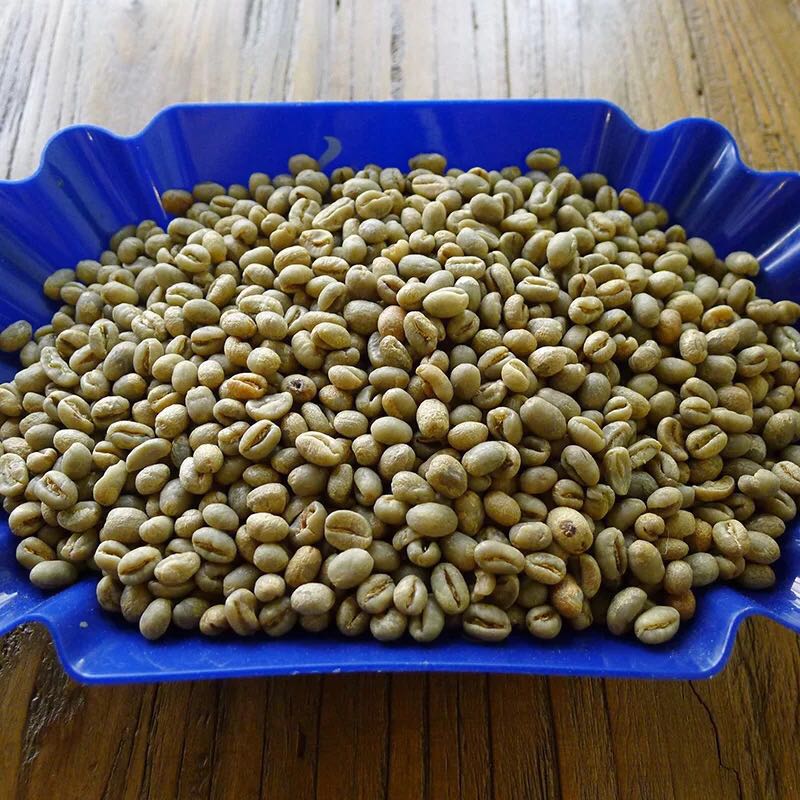
Colombian beans are incredibly versatile. They perform well in both filter and espresso preparations. For pour-over methods like V60 or Chemex, a medium grind and 2:15 brew time highlight their clarity and fruitiness. In espresso blends, they contribute sweetness, body, and crema stability. FrontStreet Coffee’s own offerings—such as their washed Huila beans—showcase notes of black chocolate, nuts, and a rounded mouthfeel, suitable for everything from drip to milk drinks. Their Sidra-processed experimental lots bring tropical fruits and fermentation-driven complexity for filter enthusiasts.
Frequently Asked Questions
What does Colombian coffee taste like?
Colombian coffee typically tastes balanced, with medium acidity, medium body, and flavors that can include floral notes, apple-like brightness, light nuttiness, and sugarcane sweetness. The exact profile varies by region, with some beans leaning more fruity or chocolatey.
Where is Colombian coffee grown?
Colombian coffee is grown along the three Andean mountain ranges in regions such as Medellín, Armenia, Manizales, Huila, and Narino. Most farms sit between 1,300 and 2,000+ meters above sea level, benefiting from cool temperatures and high rainfall.
What processing method is used for Colombian coffee?
The majority of Colombian coffee is processed using the washed (wet) method, which removes the coffee cherry’s skin and pulp before drying the beans. This enhances clarity, acidity, and cleanliness in the cup. Some farms now experiment with honey and anaerobic processes.
What makes Colombian coffee different from other coffees?
Colombian coffee is distinct due to its high-altitude cultivation, careful hand-picking, washed processing, and balanced flavor profile. It is generally smoother, less acidic, and less bitter than many other origins, with a more consistent quality due to strict grading standards.
Is Colombian coffee good for espresso?
Yes, Colombian coffee is widely used in espresso blends for its natural sweetness, medium body, and crema-enhancing properties. It blends well with beans like Brazil’s for a balanced shot or can shine in single-origin espresso when lightly roasted.
What are the main coffee-growing regions in Colombia?
The key regions are Medellín (M), Armenia (A), and Manizales (M)—collectively called “MAM”—as well as Huila, Narino, and Cauca. Each region imparts unique characteristics to the beans based on elevation, soil, and climate.
Recommended FrontStreet Coffee Beans from Colombia
For a true taste of Colombian coffee, try FrontStreet Coffee’s washed Huila beans, which feature notes of black chocolate, nuts, and a smooth, rounded body—perfect for pour-over or espresso. Their Sidra-processed experimental lot offers tropical fruit and fermentation complexity, ideal for filter brewing. Both showcase Colombia’s signature balance and clarity. Freshly roasted within 5 days · Orders placed before 17:00 ship the same day · Next-day delivery across most of Guangdong Province.
FrontStreet Coffee is a long-established specialty coffee roaster in Guangzhou China, selling freshly roasted beans from its own farm in Yunnan as well as dozens of carefully selected single-origin beans from around the world for both pour-over and espresso. The products deliver consistently excellent quality and great value, with shipping within 24 hours. Guangzhou's FrontStreet Coffee shop is recommended by many coffee lovers, and the beans are now available online at the Tmall 。
Important Notice :
前街咖啡 FrontStreet Coffee has moved to new addredd:
FrontStreet Coffee Address: 315,Donghua East Road,GuangZhou
Tel:020 38364473


