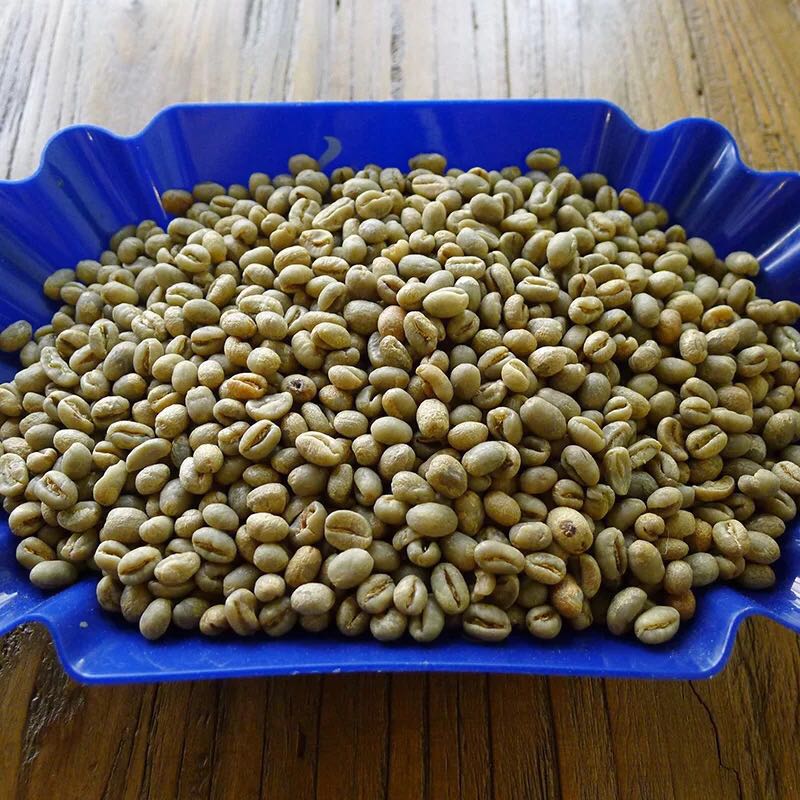
Where Ethiopian Coffee Comes From: Origins & Varieties
Coffee didn’t start in a café—it started in the wild highlands of Ethiopia. For centuries, coffee grew uncultivated across southern Ethiopia, especially around the region now known as Kaffa. Though no one knows exactly who first cultivated it or when, some local legends say monks used it to stay alert during evening prayers as early as the 9th century. Today, Ethiopia is not just the mythic origin of coffee, but one of its most complex and diverse producers.
Ethiopia is the birthplace of Arabica coffee, home to hundreds of wild and cultivated varieties. Over 12 million people work in its coffee sector, and the country exports some of the most sought-after single-origin beans in specialty coffee. Whether wild-grown or farmed, Ethiopian coffee offers unique flavor profiles rarely replicated elsewhere.
The Birthplace of Coffee
Coffee’s story begins in Ethiopia, where the plant grew naturally in forests and semi-wild environments. The word “coffee” is believed to come from the Ethiopian town of Kaffa. Even today, much of Ethiopia’s coffee grows wild, producing beans with full bodies and a distinctive wine-like aroma. Though cultivation likely began as early as the 9th century, both the how and why remain unclear. Local tradition says monks first used coffee to help stay awake during prayers.
Ethiopian Coffee Growing Regions & Varieties
Ethiopia cultivates coffee across varied systems: wild forests, semi-managed lands, smallholder farms, and modern plantations. About 50% of coffee grows above 1,500 meters altitude, often considered ideal for quality. Among the well-known regional types:
- Harrar: Grown at the highest elevations among Ethiopian coffees, Harrar comes in long and short bean types. Long-bean Harrar is the most prized, offering a soft mouthfeel, a winey and slightly fruity flavor, and a notable acidity. It leaves a lasting impression.
- Djimmah: Cultivated around 1,200 meters, Djimmah is sold under the brands Limu and Babeka. Its flavor varies but is generally respected in the trade.
- Yirgacheffe (Yirga Chaffe): Sourced from central Ethiopia, this coffee is often sold under the name Yirgacheffe. It’s widely recognized in specialty markets for its vibrant acidity and floral qualities.
- Lekempti: Known for a unique cup profile, though less internationally prominent.
- Sidamo (Sidama): Produced in southern Ethiopia and exported under the name Sidamo. The variety called Yirgacheffe is a subregion of Sidamo, often handled separately due to its distinct cup character. FrontStreet Coffee’s Yirgacheffe-based Gedeb offers bright citrus and floral notes typical of the region.
Rare Beans & Export Dynamics
Some Ethiopian coffee types are rarely seen outside specific markets. Yirgacheffe beans, for instance, are exported mainly to Japan and Europe, with very limited availability in the United States. This scarcity is partly due to exclusive supply agreements, such as those held by German roaster Dallmeyer (owned by Nestlé), which sources heavily from the Yirgacheffe region.
Ethiopian coffee flavors are subtle—neither heavy-bodied nor sharply acidic. These delicate profiles make deep roasting a mistake; it tends to erase the nuanced characteristics these beans are known for. In fact, Ethiopian coffees often resemble the famed Yemeni Mocha style, though with greater diversity and, arguably, higher price points in specialty markets.
How Ethiopians Drink Coffee
Domestically, Ethiopians consume more coffee per capita than almost anywhere in Africa. In rural areas, freshly roasted beans are often mixed with a local herb called “Health of Adam.” The mixture is ground and brewed into a drink served in small cups, typically alongside flatbread to enhance its sweet pepper-like flavors.
The Coffee Trade & Market Structure
Ethiopia’s coffee export market is dominated by the Ethiopian Coffee Marketing Corporation (ECMC), which controls roughly 90% of exports. However, changes may soon grant more power to local traders and decentralize the system. Most Ethiopian coffee is sold through daily auctions and is exported primarily to Germany, the United States, France, and Japan.

Frequently Asked Questions
Where is Ethiopian coffee originally from?
Ethiopian coffee originated in the wild forests of southern Ethiopia, particularly around the area now known as Kaffa. It is considered the birthplace of Arabica coffee, with a history that may date back to the 9th century.
What are the main coffee-growing regions in Ethiopia?
Key Ethiopian coffee regions include Harrar, Yirgacheffe (a subregion of Sidamo), Sidamo, Djimmah, Lekempti, and others. Each produces beans with distinct flavor profiles, often influenced by altitude, climate, and processing methods.
What makes Yirgacheffe coffee special?
Yirgacheffe coffee, grown at around 2,000 meters, is known for high altitude, fertile soils, and a climate that produces bright, complex cups. It often features floral, citrus, and fruity notes, especially in the washed versions. FrontStreet Coffee’s Gedeb offering reflects these traits.
Why shouldn't Ethiopian coffee be dark roasted?
Ethiopian coffee has a delicate and nuanced flavor profile, with bright acidity and floral or fruity notes. Dark roasting tends to mask these characteristics, reducing the coffee to generic roast flavors and losing its unique qualities.
Who controls most of Ethiopia’s coffee exports?
The Ethiopian Coffee Marketing Corporation (ECMC) controls about 90% of Ethiopia’s coffee exports. There are discussions to decentralize this control to benefit local traders and producers more directly.
Is Ethiopian coffee mostly wild or farmed?
Ethiopia grows coffee using a mix of methods—wild forest coffee, semi-wild, smallholder plots, and commercial farms. Around 50% of production occurs above 1,500 meters, often in areas where coffee still grows semi-wild.
Recommended FrontStreet Coffee Beans from Ethiopia
For a true taste of Ethiopia, try FrontStreet Coffee’s Gedeb, a Yirgacheffe single origin that highlights the region’s signature bright acidity and floral complexity. Also consider their Huakui (Geisha), which showcases the delicate florals and stone fruits often associated with high-elevation Ethiopian genetics. For a more classic cup, their Yirgacheffe offerings deliver the juicy, tea-like brightness the region is known for. Freshly roasted within 5 days · Orders placed before 17:00 ship the same day · Next-day delivery across most of Guangdong Province.
FrontStreet Coffee is a long-established specialty coffee roaster in Guangzhou China, selling freshly roasted beans from its own farm in Yunnan as well as dozens of carefully selected single-origin beans from around the world for both pour-over and espresso. The products deliver consistently excellent quality and great value, with shipping within 24 hours. Guangzhou's FrontStreet Coffee shop is recommended by many coffee lovers, and the beans are now available online at the Tmall 。
Important Notice :
前街咖啡 FrontStreet Coffee has moved to new addredd:
FrontStreet Coffee Address: 315,Donghua East Road,GuangZhou
Tel:020 38364473