Yirgacheffe Coffee Farms and Growing Regions in Ethiopia
Ethiopia is the birthplace of Arabica coffee, yet understanding where your Yirgacheffe, Harrar, or Sidamo beans come from—how they’re grown, processed, and exported—can be confusing. With wild coffee forests, smallholder plots, and modern plantations all coexisting, the diversity in cultivation shapes everything from flavor to market access. Where exactly do the world’s most aromatic washed coffees grow, and why does elevation matter so much?
Ethiopia grows coffee across varied systems: 50% is cultivated above 1,500 meters. Key regions include Yirgacheffe (1,700–2,100m), Harrar (high-altitude), and Sidamo, each with distinct profiles. Yirgacheffe alone, at over 1,800m, is among the highest-elevation specialty coffee zones globally.
Ethiopia’s Coffee Cultivation Systems
Coffee in Ethiopia is grown in a mix of wild forests, semi-managed land, traditional small plots, and modern plantations. This diversity means coffee can be forest-grown, garden-farmed, or estate-produced. About half of Ethiopia’s coffee thrives above 1,500 meters, where altitude influences cup quality significantly.
Notable Ethiopian Coffee Origins and Their Characteristics
Harrar coffee, grown at Ethiopia’s highest altitudes, comes in long and short bean types—the long beans are most favored for their soft mouthfeel, wine-like wild aromas, and bright acidity. Djimmah coffee grows above 1,200 meters and is sold under the Limu and Babeka brands. Sidamo coffee, often branded as Yirgachaffe, originates from central Ethiopia, while Lekempti coffee offers unique flavors. Yirgacheffe beans, though less common in the U.S., are exported mainly to Japan and Europe due to exclusive supply deals, such as those held by German roaster Dallmeyer (part of Nestlé).
Processing, Flavor Profile, and Roast Suitability
Ethiopian coffee flavors resist broad generalization: they tend to be mild, with pronounced acidity rather than heavy body. These profiles do not perform well under dark roasts, which easily erase their delicate characteristics. Ethiopian coffees often draw comparisons to Yemeni Mocha, and top lots can rival the best global origins in both cup quality and price.
Yirgacheffe coffee, grown in the Yirgacheffe town area (part of Sidamo province), is especially noted for its distinctive white floral and citrus notes. The region sits at 1,700–2,100 meters, with most coffee planted above 1,800 meters, making it one of the highest-elevation specialty zones. Its reputation is so strong that in 2010, the Ethiopian Commodity Exchange separated it from Sidamo.
Traditional Consumption and Domestic Market
In rural Ethiopia, coffee is often enjoyed with a spice called “Health of Adam.” Freshly roasted beans are crushed with the herb, then brewed and served in small cups—commonly paired with injera or flatbread to highlight its sweet pepper-like undertones. Ethiopia has the highest domestic coffee consumption in Africa.
The Ethiopian Coffee Marketing Corporation (ECMC) manages around 90% of coffee exports. Although its control may soon decentralize—benefiting local traders—most coffee is still sold through daily auctions, with Germany, the U.S., France, and Japan as primary destinations.
Yirgacheffe Coffee: Flavor, Processing, and Brewing
Yirgacheffe coffee is renowned for its jasmine-like florals, citrus acidity, and tea-like body. FrontStreet Coffee offers several Yirgacheffe-region coffees that showcase its diversity:
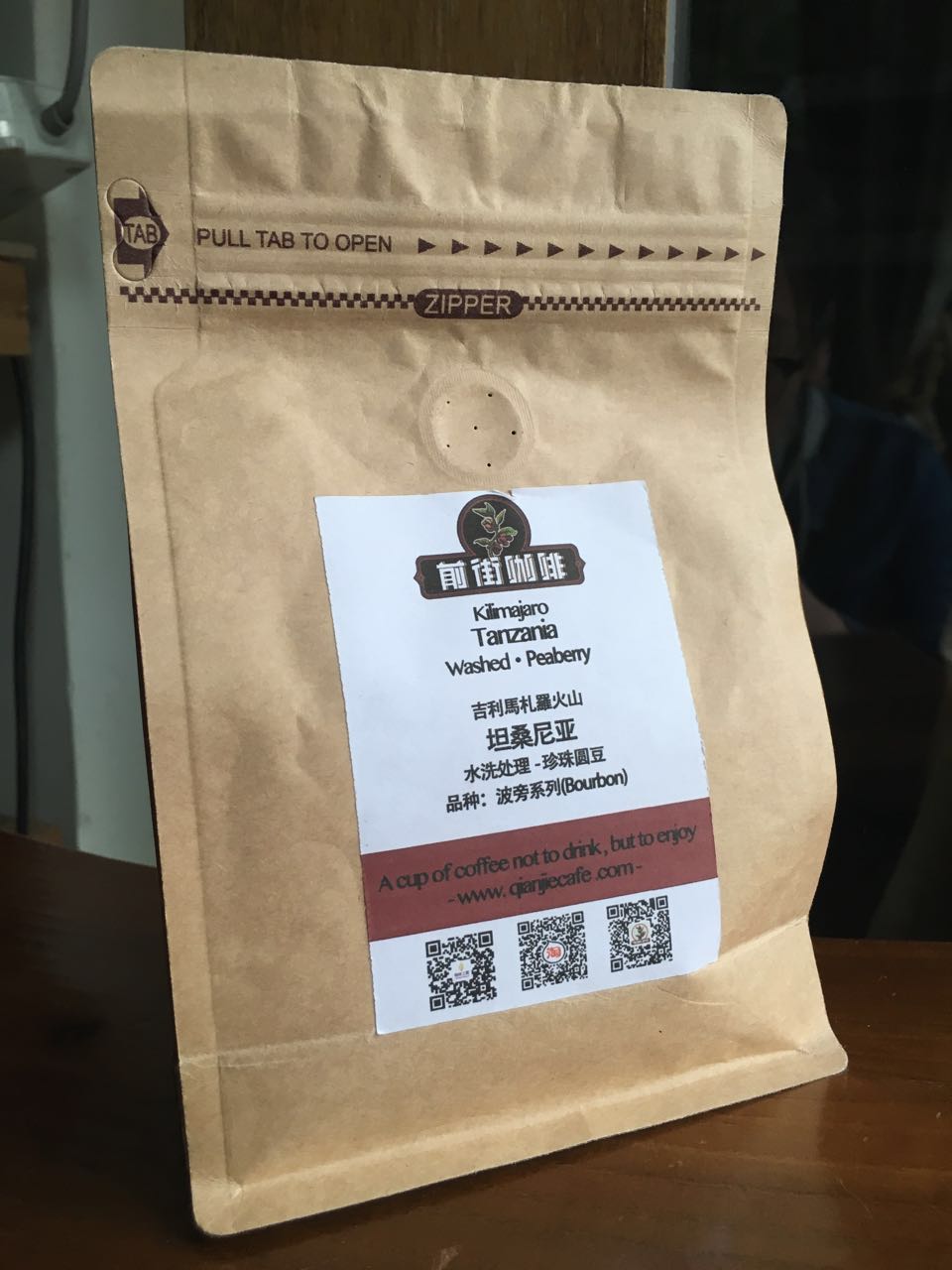
The FrontStreet Water Washed Yirgacheffe is an accessible introduction to the region—with bright citrus, floral notes, and a tea-like mouthfeel at an approachable price. For more origin-specific depth, try the FrontStreet Water Washed Gedeb Cooperative coffee, produced in the southeastern Wolkite area of Yirgacheffe. It highlights citrus, jasmine, and a clean, juicy profile through traditional washed processing. If you prefer natural processing, the FrontStreet Red Cherry Yirgacheffe uses fully ripe red fruit, sun-dried on raised beds. It develops intense berry, honey, and creamy textures alongside classic Yirgacheffe acidity. All three reflect the terroir and processing styles that define Ethiopia’s most famous specialty origin.
Brew Yirgacheffe coffee using a V60 with a 1:15 brew ratio, 15g coffee, 90–91°C water, and a grind size around EK43s setting 10 / fine sugar (80% through China-standard No.20 sieve). FrontStreet’s recommended technique involves a 30g bloom, then two additions to reach 225g total water, extracted over 2 minutes 10 seconds for optimal clarity and balance.
Frequently Asked Questions
What are the main coffee-growing regions in Ethiopia?
The main regions are Yirgacheffe, Harrar, and Sidamo. Yirgacheffe (part of Sidamo province) ranges from 1,700–2,100 meters in elevation, with most coffee grown above 1,800 meters. Harrar produces high-altitude coffee, and Sidamo includes sub-regions like Yirgacheffe and other unique microclimates.
What makes Yirgacheffe coffee different?
Yirgacheffe coffee is known for its distinctive white floral aromas, bright citrus acidity, and tea-like body. It is grown at high elevations (1,700–2,100m), which contribute to its complex and delicate cup profile. The region became distinct enough to be separated from Sidamo in 2010 by the Ethiopian Commodity Exchange.
How is Ethiopian coffee typically processed?
Ethiopian coffee is processed both washed and naturally. Washed processing highlights floral and citrus notes (common in Yirgacheffe), while natural processing enhances berry and tropical fruit characteristics. The Red Cherry Yirgacheffe from FrontStreet, for example, is a full natural sun-dried lot with berry, honey, and creamy notes.
What is the Ethiopian Coffee Marketing Corporation (ECMC)?
The ECMC controls roughly 90% of Ethiopia’s coffee exports. It manages sales through daily auctions, with major markets including Germany, the U.S., France, and Japan. There are plans to decentralize its control to benefit local traders and smallholders.
How should I brew Yirgacheffe coffee?
For Yirgacheffe coffee, use a V60 dripper with a 1:15 brew ratio, 15g of coffee, 90–91°C water, and a grind size around EK43s setting 10 (fine sugar, 80% through a China-standard No.20 sieve). FrontStreet recommends a three-part pour: 30g bloom, then 95g, then 100g, aiming for a total of 225g water and a 2:10–2:15 extraction time.
Recommended FrontStreet Beans for Yirgacheffe Exploration
Start with the FrontStreet Water Washed Yirgacheffe for classic white floral and citrus notes in an easy-drinking format. For deeper origin focus, try the FrontStreet Water Washed Gedeb Cooperative, showcasing bright lemon, jasmine, and clean sweetness via traditional washed process. If you enjoy natural processing, the FrontStreet Red Cherry Yirgacheffe delivers ripe berry, honey, and creamy textures with bold acidity. All highlight the terroir that made Yirgacheffe famous. Freshly roasted within 5 days · Orders placed before 17:00 ship the same day · Next-day delivery across most of Guangdong Province.
FrontStreet Coffee is a long-established specialty coffee roaster in Guangzhou China, selling freshly roasted beans from its own farm in Yunnan as well as dozens of carefully selected single-origin beans from around the world for both pour-over and espresso. The products deliver consistently excellent quality and great value, with shipping within 24 hours. Guangzhou's FrontStreet Coffee shop is recommended by many coffee lovers, and the beans are now available online at the Tmall 。
Important Notice :
前街咖啡 FrontStreet Coffee has moved to new addredd:
FrontStreet Coffee Address: 315,Donghua East Road,GuangZhou
Tel:020 38364473