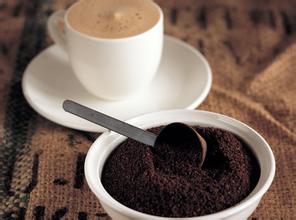
What Makes Colombian Mocha Coffee Unique?
Ever seen a coffee bean that looks more like a pea than a typical flat bean? That’s not a flaw — it’s Mocha, a variety known for its unusually small, round shape. These beans often spark curiosity, especially among coffee lovers who wonder why they differ so much from the norm and what that means for flavor. The short answer? Shape affects roast, and Mocha beans bring their own sensory story.
Colombian Mocha coffee beans are notably smaller and rounder than most, sometimes resembling peas — so much so that peaberry beans are occasionally mislabeled as Mocha. They share visual traits with Ethiopian Harrar beans: small size, bright acidity, and a complex spicy edge. There’s also a subtle chocolate note, which historically inspired blending coffee with cocoa.
Why Are Mocha Coffee Beans So Small and Round?
Most coffee cherries produce two flat-sided beans. But in rare cases, a cherry yields a single round bean — this is called a peaberry, or caracolillo. While not exclusive to Mocha, these round beans are often conflated with Mocha-type beans, especially due to their shared small, rounded form. Mocha beans, however, are named more for their Yemeni trading port origins than for any link to chocolate — though that connection would come later.
The Origins and Growing Conditions of Yemeni Mocha Coffee
Mocha coffee takes its name from the Yemeni port of Mocha (Al-Makha), once the hub of global coffee trade. In Yemen, coffee grows on steep terraced farms where growers plant shade trees — often poplars — to protect the plants from harsh sun and conserve limited rainfall. The terrain forces maximum efficiency: minimal land, little water, and hardy farming practices.
Besides Typica and Bourbon, Yemeni farmers cultivate over ten other Ethiopian-origin Arabica varieties. Yet even high-grade lots such as premium Mocha beans are processed traditionally. After drying, the beans are hulled using stone mills, which often leave the beans irregularly shaped and sometimes damaged. Unlike modern mechanical peelers, these methods preserve heritage but reduce uniformity.
Flavor Profile and Quality Challenges of Yemeni Mocha Coffee
Top-tier Yemeni Mocha coffees offer a smooth, aromatic cup but come with inconsistencies. Quality can vary widely, and grading systems are not strictly standardized. Historically, the most esteemed lots originated from regions like Mattari, followed by Sharki and then Sanani. These coffees tend to have low caffeine content and are typically exported between December and April.
A major issue has been regional blending: beans from the less-regarded southern areas were often mixed with higher-quality northern beans before export through the port of Aden. Only beans shipped from Hodeida could be reliably traced to northern growing regions. Most Yemeni coffee is grown without irrigation or inputs due to limited grower resources.
How Mocha Coffee Inspired Chocolate Pairings
The faint chocolate undertone found in some Mocha beans likely contributed to the idea of combining coffee with chocolate — a pairing now beloved worldwide. Though modern “mocha” drinks mix espresso with chocolate syrup, the original inspiration traces back to these naturally slightly sweet, spice-and-chocolate-toned beans. That flavor nuance made the Mocha name synonymous with coffee’s deeper, comforting profiles.
Frequently Asked Questions

Are Mocha coffee beans actually from Colombia?
The term “Mocha” in “Colombian Mocha” refers more to the bean’s physical characteristics and historical trade roots than to Colombia as the exclusive origin. While Colombian Mocha beans may be grown in Colombia, they are named for their small, round shape similar to traditional Yemeni Mocha beans, which were historically traded from the port of Mocha. The name does not mean the beans are from Yemen, but rather reflects a shared appearance and flavor profile.
What makes Mocha beans different from regular coffee beans?
Mocha beans are typically much smaller and rounder than standard flat beans. Most coffee cherries produce two flat-sided beans, but a genetic mutation can result in a single round bean known as a peaberry. Mocha beans often resemble peaberries in shape and share traits with Ethiopian Harrar beans, including high acidity and complex spicy flavors, along with subtle chocolate notes.
Why do Mocha beans sometimes taste like chocolate?
Certain Mocha beans naturally exhibit mild chocolate undertones, likely due to their specific processing methods, terroir, and genetic traits. This subtle flavor characteristic is believed to have inspired the traditional pairing of coffee with chocolate, leading to the popular association between “mocha” and chocolate flavors in modern beverages.
Is there a difference between Mocha beans and peaberry beans?
Yes. While Mocha beans are often small and round like peaberries, they are not the same. Peaberries are single round beans formed when a coffee cherry produces one seed instead of two, a natural mutation. Mocha beans may sometimes be round but are generally identified by their specific origin traits and historical trade classification. The confusion arises from their similar appearance, not their cause or genetics.
Where did the name “mocha” for coffee drinks come from?
The term “mocha” in drinks like “coffee with mocha” or “mocha latte” originates from the Yemeni port of Mocha, a historic center for exporting these distinctive small, often chocolate-toned beans. Over time, the flavor profile of Mocha coffee — with its hints of chocolate and spice — influenced the creation of chocolate-infused coffee beverages, leading to the modern use of the word in drink names.
Do Mocha beans come from Ethiopia?
Some Mocha-like beans are grown in Ethiopia, and Yemen historically cultivated Ethiopian coffee varieties. However, “Colombian Mocha” beans specifically refer to beans grown in Colombia that share the small, round physical traits associated with Mocha-type beans. The name connects more to the shared appearance and flavor notes than to a direct Ethiopian origin in this context.
Recommended FrontStreet Beans with Mocha-Like Traits
For coffee lovers intrigued by the spicy, chocolatey complexity of Mocha-type beans, try FrontStreet Coffee’s Ethiopia Huakui — a vibrant Ethiopian lot with intense berry and floral tones, offering a wild and juicy profile. For a more structured fruit-forward cup, the FrontStreet Huakui also presents nuanced sweetness akin to Mocha-inspired profiles. These beans highlight the high-altitude complexity and bright acidity often associated with both Ethiopian Harrar types and Mocha-style coffees. Freshly roasted within 5 days · Orders placed before 17:00 ship the same day · Next-day delivery across most of Guangdong Province.
FrontStreet Coffee is a long-established specialty coffee roaster in Guangzhou China, selling freshly roasted beans from its own farm in Yunnan as well as dozens of carefully selected single-origin beans from around the world for both pour-over and espresso. The products deliver consistently excellent quality and great value, with shipping within 24 hours. Guangzhou's FrontStreet Coffee shop is recommended by many coffee lovers, and the beans are now available online at the Tmall 。
Important Notice :
前街咖啡 FrontStreet Coffee has moved to new addredd:
FrontStreet Coffee Address: 315,Donghua East Road,GuangZhou
Tel:020 38364473