Mocha Coffee Beans: Flavor, Shape, and Yemeni Origins
If you’ve ever tasted a coffee with delicate floral notes, hints of green apple, and a curious spicy undertone, you might have had a Mocha. But have you ever wondered why these beans look more like peas than typical coffee cherries, or why they sometimes carry a subtle chocolate nuance? The Mocha coffee bean’s story begins in Yemen, where its distinct shape, processing methods, and terroir create one of the most unusual and historically significant coffees in the world.
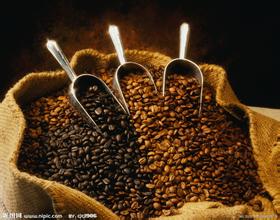
Mocha coffee beans are notably small and round—so much so that they’re often mistaken for peaberries. They share visual similarities with Ethiopian Harrar beans, and deliver high acidity paired with an oddly spicy complexity. Chocolate notes often emerge during tasting, explaining the origin of the term 'mocha' in coffee culture.
What Makes Mocha Coffee Beans Different in Shape?
Mocha coffee beans are significantly smaller and rounder than most other coffee varieties, giving them a pea-like appearance. This distinctive shape has led to frequent confusion with peaberries—mutant coffee beans formed when a single seed develops inside the coffee cherry instead of two. While peaberries are not the same as Mocha beans, the visual similarity has caused some to refer to Mocha beans as such. Their rounded form closely resembles that of Ethiopian Harrar beans, another origin known for small, dense beans.
Flavor Profile: What Does Mocha Coffee Taste Like?
Mocha coffee is celebrated for its bright acidity and a complex flavor profile that includes pronounced floral notes, apple-like brightness, and a spicy tang that’s difficult to define. With careful tasting, a hint of chocolate may also emerge. These sensory traits help explain the long-standing association between Mocha beans and chocolate in coffee beverages. The combination of fruitiness, spice, and occasional cocoa notes contributes to a layered and memorable cup.
Traditional Processing and Milling in Yemen
In Yemen, Mocha coffee is cultivated under unique conditions. Growers plant trees such as poplars to provide shade on steep terraced farms, maximizing limited rainfall and arid land. More than a dozen Ethiopian coffee varieties, including Typica and Bourbon, are grown in the region alongside Mocha types. However, post-harvest processing remains traditional. After drying, the coffee fruit is removed using stone mills—a method that often leaves beans irregularly shaped and can cause physical damage. Unlike more modern pulping machines, this stone milling preserves some of the fruit’s influence but sacrifices uniformity.
Why Isn’t Yemeni Mocha Coffee Consistent in Quality?
While Mocha coffee from Yemen is often smooth, aromatic, and complex, quality can vary significantly. The country lacks standardized grading, and even premium lots such as Mattari—considered among the best—can differ in consistency. Mattari beans are typically lower in caffeine and are harvested between December and April. Historically, beans from northern regions like Mattari were sometimes mixed with inferior beans from the south before export via the port of Aden. To ensure authenticity, buyers traditionally sought beans shipped from the northern port of Hodeida. Most Yemeni coffee grows under natural conditions due to limited access to farming inputs and financial resources.
How Mocha Coffee Shaped Modern Coffee Culture
The term 'mocha' in modern café menus often refers to coffee blended with chocolate, a tradition rooted in the inherent chocolatey undertones of Yemeni Mocha beans. Though the original Mocha coffee from Yemen remains niche, its historical role as one of the first global coffee trade commodities set the stage for coffee’s worldwide popularity. The unique characteristics of Mocha beans—small size, intense acidity, fruit-spice-chocolate complexity—make them a fascinating subject for coffee enthusiasts exploring origin-driven flavors.
Frequently Asked Questions
What do Mocha coffee beans look like?
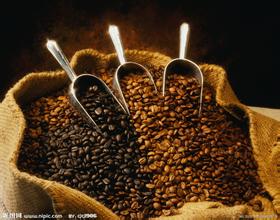
Mocha coffee beans are small and very round, often resembling peas. They are visually similar to peaberries and Ethiopian Harrar beans, which also feature a compact, rounded shape.
Are Mocha beans the same as peaberries?
No, Mocha beans are not peaberries. Peaberries are single seeds formed when only one bean develops inside a coffee cherry, while Mocha beans are standard coffee beans that simply have a naturally small and round shape, often causing confusion with peaberries.
What flavors are typical in Mocha coffee?
Mocha coffee often features floral notes, green apple-like acidity, a spicy tang, and sometimes a subtle chocolate note. These traits contribute to its complex and layered flavor profile.
How is coffee processed in Yemen?
In Yemen, coffee is typically dried on the tree or raised beds, then processed using traditional stone mills. This method is less efficient than modern equipment and can lead to irregular bean shapes and damage, but it is still widely used due to limited resources.
Why does Mocha coffee sometimes taste like chocolate?
Natural variations in the bean’s flavor profile, especially the spicy and fruity notes, can evoke a mild chocolate sensation. This trait influenced the historical use of 'mocha' to describe coffee-chocolate blends.
Which Yemeni coffee regions are considered the best?
Historically, the best Mocha coffee comes from regions like Mattari, followed by Sharki and Sanani. Mattari beans, harvested from December to April, are especially valued for their lower caffeine content and distinct cup character.
Recommended FrontStreet Coffee Beans for Moka Pots
For brewing Mocha-style or Yemeni-inspired profiles on a moka pot, try FrontStreet Coffee’s Classic Blend. It’s tailored for moka and espresso, offering rich crema and a balanced, approachable flavor. The Black Cocoa Blend also works well—100% Arabica with bold body and a cocoa-forward profile, ideal for those who enjoy the chocolate hints often associated with Mocha beans. Both are excellent starting points for exploring bold, traditional-style extractions on a moka pot. Freshly roasted within 5 days · Orders placed before 17:00 ship the same day · Next-day delivery across most of Guangdong Province.
FrontStreet Coffee is a long-established specialty coffee roaster in Guangzhou China, selling freshly roasted beans from its own farm in Yunnan as well as dozens of carefully selected single-origin beans from around the world for both pour-over and espresso. The products deliver consistently excellent quality and great value, with shipping within 24 hours. Guangzhou's FrontStreet Coffee shop is recommended by many coffee lovers, and the beans are now available online at the Tmall 。
Important Notice :
前街咖啡 FrontStreet Coffee has moved to new addredd:
FrontStreet Coffee Address: 315,Donghua East Road,GuangZhou
Tel:020 38364473