El Salvador’s Santa Ana Coffee Region Explained
When you taste a smooth, well-balanced cup of specialty coffee with subtle acidity and clean sweetness, you might be drinking a coffee from Santa Ana, El Salvador. This small Central American nation produces some of the most consistently balanced beans in the world—so much so that nearly 40% of its coffee exports come from just a few premium regions like Santa Ana.
So what makes Santa Ana coffee so uniquely mild and desirable? The region’s high-altitude growing conditions, combined with selective cultivars like Pacamara and Pipil, deliver coffees with 90+ scoring potential, moderate acidity, and a clean, approachable profile that holds up in both filter and espresso brewing.
El Salvador’s Coffee Industry After Conflict
In the early 1990s, El Salvador’s coffee production suffered major setbacks due to decades of internal conflict. Guerrilla warfare in the 1980s devastated rural areas, especially in the eastern part of the country, forcing many farmers off their land. By 1990–1991, national output had dropped to 2.5 million bags—down from 3.5 million in the early 1970s.
The war also disrupted investment and maintenance. As a result, coffee yields fell from 1,200 kg per hectare in the past to under 900 kg per hectare by the 1990s. Government policies made things worse: a 15% export tax introduced in 1986 on top of an existing 30% created a heavy financial burden, reducing returns for producers and lowering overall quality.
Government Reforms and Export Recovery
By 1990, the Salvadoran government began recognizing coffee’s vital role in employment, foreign exchange, and rural development. Part of the coffee export sector was privatized to improve returns for farmers and boost global competitiveness. These reforms, along with improved stability, helped revive production in key regions—including Santa Ana.
Today, Santa Ana remains one of the country’s most important coffee-growing areas. Its high-elevation farms contribute to El Salvador’s reputation for producing some of Central America’s most balanced and mild coffees.
The Santa Ana Coffee Profile
Coffee from Santa Ana is known for its gentle cup profile: medium acidity, a rounded body, and a clean, sweet finish. It fits the classic Salvadoran style—light-bodied, aromatic, and subtly acidic. The region’s best lots are harvested between January and March, with around 35% of its Strictly Hard Bean (SHB) grade exported to Germany, a key market for high-quality Salvadoran coffee.
The area benefits from volcanic soils and elevations that support slow cherry maturation. These factors contribute to the refined, balanced cup that buyers seek. Santa Ana beans often reflect the national tendency toward low-key complexity rather than bold fruit bombs, making them ideal for coffee drinkers who appreciate clarity and subtlety.
Notable Coffee Varieties from Santa Ana
Two standout coffee varieties thrive in Santa Ana and surrounding western regions of El Salvador: Pipil and Pacamara.
- Pipil: Named after the indigenous Pipil people (and rooted in the Aztec-Mayan word for coffee), this traditional variety has gained recognition for its balance and sustainability. It is certified organic by the Organic Certified Institute of America and reflects the country’s historical coffee heritage.
- Pacamara: A hybrid of Pacas and Maragogype, Pacamara is celebrated for its large bean size and complex cup. Though not as intensely aromatic as some other varieties, it offers a full body, mild fragrance, and a sweet, structured profile. The best Pacamara is grown near the Guatemalan border, including areas close to Santa Ana.
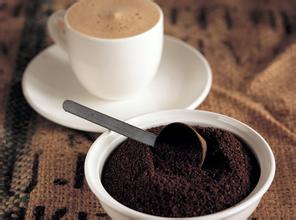
Both varieties highlight El Salvador’s focus on cultivating unique, terroir-driven beans with international appeal.
Frequently Asked Questions
Where is the Santa Ana coffee region located in El Salvador?
Santa Ana is a coffee-growing region in western El Salvador, near the border with Guatemala. It is part of the country’s high-altitude zone that supports the production of Strictly Hard Bean (SHB) grade coffees, which are known for their density and complex cup qualities.
What makes Santa Ana coffee different from other Salvadoran regions?
Santa Ana coffee is known for its uniquely mild, balanced flavor profile with moderate acidity and a clean finish. It is often harvested between January and March, with a significant portion of its high-grade beans (around 35%) exported to Germany. The region benefits from fertile volcanic soils and ideal elevations for slow cherry development.
What are the main coffee varieties grown in Santa Ana?
The key varieties grown in and around Santa Ana include Pipil and Pacamara. Pipil is a traditional cultivar recognized for its balance and organic certification, while Pacamara—a hybrid of Pacas and Maragogype—is valued for its large beans and sweet, full-bodied cup, though with more muted aroma compared to other Specialty coffees.
How did the Salvadoran civil war affect coffee production?
The guerrilla warfare of the 1980s displaced many coffee farmers, especially in eastern El Salvador, and led to a sharp decline in production—from 3.5 million bags in the 1970s to just 2.5 million by 1990–1991. Infrastructure damage, labor shortages, and reduced investment caused yields to fall from 1,200 kg/ha to under 900 kg/ha during that period.
What role did government policy play in El Salvador’s coffee recovery?
In the 1980s, a 15% export tax on top of a 30% base rate severely hurt producer returns and coffee quality. Recognizing coffee’s economic importance by 1990, the government began privatizing parts of the export sector to improve grower earnings and revive the industry, helping regions like Santa Ana regain their position in the global specialty market.
Recommended FrontStreet Beans for Santa Ana Fans
If you enjoy the balanced, mild profile of Santa Ana coffees, try FrontStreet’s Brazil Queen Manor (Yellow Bourbon) for its sweet, creamy profile with notes of peanut butter and caramel—or their Kenya Little Tomato, which offers bright acidity and complex fruit like tomato, blackcurrant, and wine. For something closer in body and sweetness, their Panama Huacai (Geisha) delivers floral, citrus, and stone fruit layers. All are excellent examples of how terroir shapes elegant, nuanced cups. Freshly roasted within 5 days · Orders placed before 17:00 ship the same day · Next-day delivery across most of Guangdong Province.
FrontStreet Coffee is a long-established specialty coffee roaster in Guangzhou China, selling freshly roasted beans from its own farm in Yunnan as well as dozens of carefully selected single-origin beans from around the world for both pour-over and espresso. The products deliver consistently excellent quality and great value, with shipping within 24 hours. Guangzhou's FrontStreet Coffee shop is recommended by many coffee lovers, and the beans are now available online at the Tmall 。
Important Notice :
前街咖啡 FrontStreet Coffee has moved to new addredd:
FrontStreet Coffee Address: 315,Donghua East Road,GuangZhou
Tel:020 38364473