Guatemalan Coffee Origins and Specialty Bean Traits
If you've ever sipped a cup of rich, full-bodied coffee with vibrant acidity and a hint of spice, chances are you’ve tasted the influence of Guatemalan beans. But what makes Guatemalan coffee so distinctive — and why did it once lose its legendary reputation?
Guatemalan coffee is known for its hard bean (SHB) classification, high-altitude growth, and balanced flavor: bright acidity, medium body, and complex notes often including spices, nuts, and sometimes tobacco. The country’s best SHB beans are prized for their large size, even development, and clean, aromatic cup.
The Origins of Guatemalan Coffee
Coffee was introduced to Guatemala in 1750 by Jesuit priests. By the late 19th century, German settlers had developed a thriving coffee industry. Today, the majority of production occurs in the southern regions, especially on the volcanic slopes of the Sierra Madre mountains. These high-altitude zones create ideal conditions for cultivating premium coffee with intense flavor and complexity.
What Makes Guatemalan Coffee Special?
Guatemalan beans are often classified as Strictly Hard Bean (SHB), meaning they are grown at elevations above 1,350 meters. This elevation slows bean development, increasing density and sugar concentration. The result is a cup with:
- Balanced acidity
- Medium body
- Spice, nut, and sometimes tobacco notes
- Large bean size (including the noted "giant beans" of the region)
Flavor profiles often include hints of chocolate, caramel, fruit, and floral tones, with certain regions offering more distinct characteristics. The country’s volcanic soils, consistent rainfall, and cool temperatures contribute significantly to these traits.
Leading Coffee-Growing Regions in Guatemala
Not all Guatemalan coffee is the same — origin matters. Key regions include:
- Antigua: Famous for coffees like those from Hacienda Carmona, particularly the El Pulcal lot. Antigua beans are bold, rich, and often show deeper tobacco and spice notes. The region benefits from periodic volcanic ash deposits that replenish soil nutrients. The area sees regular sunshine and rainfall, further enhancing coffee quality.
- Lake Atitlán: Surrounded by volcanoes, this region produces vibrant, complex coffees with good acidity and aromatic depth.
- Huehuetenango: One of the highest and driest coffee-growing areas, delivering bright, fruity, and wine-like cups.
- Other regions: San Marcos, Cobán, Pacaya, Mataquescuintla, and Zacapa (La Uman) also contribute unique lots to Guatemala’s coffee diversity.
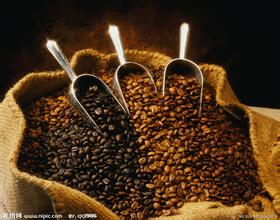
The Rise, Fall, and Revival of Guatemalan Coffee
Guatemalan coffee was once considered among the finest in the world, but political instability and economic challenges led to a decline in both quality and global reputation. Production has fallen to around 700 kg per hectare — notably less than El Salvador’s 900 kg and Costa Rica’s impressive 1,700 kg per hectare.
Today, much of the country’s finest coffee is exported to Japan, where it can sell for $3–4 per cup. Smallholder farmers — many of them descendants of the Maya — produce the bulk of Guatemalan coffee. They often sell their cherries to intermediaries, which limits their profit and control over quality.
To combat this, a $2.5 million U.S.-funded project (locally called “the Project”) aims to support small-scale, high-quality production. Goals include:
- Encouraging the cultivation of traditional varieties like Bourbon, which yield fewer but higher-quality beans compared to newer dwarf hybrids.
- Promoting on-farm processing to increase value retention and quality control.
- Helping farmers break the cycle of high-volume, low-quality production.
The Role of the National Coffee Association
The Asociación Nacional del Café (Anacafé) oversees aspects of Guatemala’s coffee industry beyond exports. It supports quality initiatives and market development. The establishment of the Specialty Coffee Association in Guatemala signals growing government and industry commitment to high-end production — efforts that are beginning to yield results in global markets.
Frequently Asked Questions
What makes Guatemalan coffee different from other origins?
Guatemalan coffee is typically grown at high altitudes (over 1,350 meters), classifying it as Strictly Hard Bean (SHB). This results in denser beans with balanced acidity, medium body, and complex flavors such as spice, nuts, chocolate, and sometimes tobacco. Volcanic soils and microclimates in regions like Antigua and Huehuetenango further shape its distinctive cup profile.
Why did Guatemalan coffee lose its reputation?
Political instability and economic issues in Guatemala led to declines in both production quality and global standing. High yields were prioritized over quality, and many small producers sold unprocessed cherries to middlemen, limiting control over final cup quality. However, quality-focused initiatives are helping rebuild its reputation.
Which Guatemalan region produces the most distinctive coffee?
Antigua is especially renowned for producing bold, rich coffees with tobacco and spice notes. The region’s volcanic soil, elevation, and microclimate — along with periodic ash deposits — create ideal conditions for a dense, complex cup. Huehuetenango and Lake Atitlán are also notable for their unique flavor profiles.
What coffee variety is prominent in Guatemala?
Bourbon is a traditional and highly regarded variety in Guatemala, known for producing fewer but higher-quality beans. It is favored by specialty-focused farms over newer, higher-yield dwarf hybrids. The project mentioned above encourages Bourbon cultivation to improve cup quality.
Who grows coffee in Guatemala?
Most coffee in Guatemala is grown by smallholder farmers, many of whom are descendants of the Maya. They often face challenges such as limited access to processing facilities and reliance on intermediaries. Support projects aim to help these producers improve quality and profitability.
Where is Guatemalan coffee mainly exported?
While Guatemalan coffee reaches global markets, some of the finest lots are exported to Japan, where they can command premium prices (around $3–4 per cup). The U.S. and other specialty markets are also important destinations, especially for single-origin offerings.
Recommended FrontStreet Beans for Pour-Over
For fans of Guatemalan coffee’s bright acidity and layered complexity, try FrontStreet’s BrazilBourbon — a medium roast with creamy body, mild acidity, and notes of almond and caramel, ideal for exploring balance. Or explore the Kenya, featuring bright berry tones and medium body, showing what high-altitude beans can offer when handled with care. Both showcase the kind of clarity and structure typical of great single-origin coffees. Freshly roasted within 5 days · Orders placed before 17:00 ship the same day · Next-day delivery across most of Guangdong Province.
FrontStreet Coffee is a long-established specialty coffee roaster in Guangzhou China, selling freshly roasted beans from its own farm in Yunnan as well as dozens of carefully selected single-origin beans from around the world for both pour-over and espresso. The products deliver consistently excellent quality and great value, with shipping within 24 hours. Guangzhou's FrontStreet Coffee shop is recommended by many coffee lovers, and the beans are now available online at the Tmall 。
Important Notice :
前街咖啡 FrontStreet Coffee has moved to new addredd:
FrontStreet Coffee Address: 315,Donghua East Road,GuangZhou
Tel:020 38364473