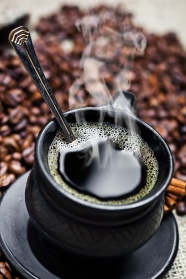
Colombian Coffee Flavor Profile: Floral, Apple, Walnut, Cane
When you sip a cup of coffee and taste delicate florals, crisp green apple, smooth walnut, and a hint of sugarcane, you’re likely drinking high-quality Colombian coffee. But what makes Colombian beans so consistently aromatic and balanced? The answer lies in geography, farming traditions, and a long-standing national commitment to coffee excellence.
Colombian coffee is known for its bright acidity, medium body, and complex flavor profile—including floral, fruity, and nutty notes—with top lots often showcasing apple, floral, walnut, and cane-like sweetness. These qualities come from high-altitude cultivation, strict quality controls, and the washed processing method used across most of the country’s production.
The Origins and Scale of Colombian Coffee
Coffee was first introduced to Colombia in 1808 by a priest who brought seeds from the French Antilles via Venezuela. Today, Colombia is the second-largest producer of high-quality arabica coffee in the world, harvesting 13 million 60kg bags annually—just behind Brazil’s 22 million. Every vehicle entering the country is disinfected to prevent disease from harming coffee trees, underscoring how seriously the industry takes cultivation.
The country exports more washed arabica beans than any other nation and rarely grows robusta. Its focus on quality over quantity, combined with ideal growing conditions, has made Colombian coffee a global benchmark.
Why Colombian Coffee Tastes So Distinctive
Most Colombian coffee is grown along the three cordilleras (mountain ranges) of the Andes, where elevations range between 800 and 2,300 meters. The mountainous terrain creates microclimates with consistent humidity, mild temperatures, and slow fruit maturation—all of which develop complex flavors and aromatic compounds in the beans.
The coffee regions follow the orientation of these mountain ranges, producing distinct cup profiles. The key growing areas are spread across the central and eastern cordilleras, with the most celebrated zones forming the “MAM” group: Medellín, Armenia, and Manizales. Among these, Medellín beans are especially prized for their full body, rich sweetness, balanced acidity, and intense aroma. Further east, around Bogotá and Bucaramanga, coffees tend to have lower acidity but comparable quality.
Processing, Grading, and Export Standards
Over 95% of Colombian coffee is processed using the washed (wet) method, which enhances clarity and accentuates fruity and floral notes. The National Federation of Coffee Growers (FNC), founded in 1927, oversees quality control, sets grading standards, and manages half of the country’s coffee exports. The FNC also stabilizes prices, supports farmers, and enforces a minimum export price.
Colombian coffee is graded into three tiers: Supremo (largest beans, highest quality), Excelso (slightly smaller, still premium), and UGQ (Unusual Good Quality). Supremo beans, typically sourced from the MAM region, are known for their larger size and vibrant cup character. Excelso beans, often sold internationally, offer a softer acidity and equally refined aroma. The FNC ensures consistency, even directing a significant portion of exports to Europe while private traders handle much of the U.S. market.
Flavor Profile: What Makes Colombian Coffee Stand Out
Top Colombian coffees commonly express a balanced flavor spectrum: bright citrus or green apple acidity, delicate floral nuances, underlying nuttiness like walnut or hazelnut, and a clean sugarcane-like sweetness. These characteristics make the coffee smooth and approachable, with a silky mouthfeel and well-integrated flavors. Such profiles are especially evident in beans from higher altitudes within the MAM region and select farms further south, including areas now gaining attention for fruit-forward, competition-level lots.
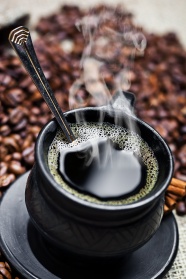
The washed process helps preserve these traits, while the diverse microclimates allow for harvests year-round. Unlike Brazil, Colombia is largely free from frost risk, enabling more stable production and consistent quality across farms of varying sizes—66% of which are now planted using modern methods.
Frequently Asked Questions
What flavors are typical in Colombian coffee?
High-quality Colombian coffee often has floral, apple, walnut, and sugarcane notes. These flavors arise from the washed processing method and high-altitude growing conditions, especially in regions like Medellín, Armenia, and Manizales. Citrus, caramel, and chocolate notes may also appear depending on the specific farm and processing.
Where in Colombia is the best coffee grown?
The best Colombian coffee is typically grown in the MAM region—Medellín, Armenia, and Manizales—which sits at high altitudes in the central cordillera. These areas produce coffee with full body, bright acidity, and complex aromas. Other notable regions include areas near Bogotá and Bucaramanga in the eastern cordillera.
What coffee processing method is most common in Colombia?
Most Colombian coffee is processed using the washed (wet) method, which removes the coffee cherry’s skin and pulp before drying the beans. This enhances clarity, acidity, and fruity or floral notes, contributing to the country’s signature cup profile.
How does the FNC influence Colombian coffee quality?
The National Federation of Coffee Growers (FNC), founded in 1927, sets and enforces quality standards, grades beans, stabilizes prices, supports farmers, and manages about half of all coffee exports. It plays a central role in maintaining Colombia’s reputation for high-quality, consistent coffee.
What’s the difference between Supremo and Excelso Colombian coffee?
Supremo coffee uses larger beans and is typically of higher grade, often sourced from the MAM region with more pronounced flavors. Excelso beans are slightly smaller, usually softer in acidity, and widely exported. Both are considered premium, but Supremo is often more aromatic and intense.
Recommended FrontStreet Beans for Exploring Colombian Flavor
For drinkers curious about Colombian coffee’s signature floral, apple, walnut, and cane notes, try FrontStreet Coffee’s selection. The FrontStreet Sidra (Sidra) coffee offers intense floral aromas and juicy fruitiness, while the FrontStreet (Large Belly Button) delivers a sweet, syrupy body with tropical fruit layers. Both are medium roasted to highlight their vibrant profiles and work well across brewing methods. For a more traditional take, FrontStreet’s Huila (Huila) offering presents chocolatey, nutty, and caramel tones from a washed process at elevation. Freshly roasted within 5 days · Orders placed before 17:00 ship the same day · Next-day delivery across most of Guangdong Province.
FrontStreet Coffee is a long-established specialty coffee roaster in Guangzhou China, selling freshly roasted beans from its own farm in Yunnan as well as dozens of carefully selected single-origin beans from around the world for both pour-over and espresso. The products deliver consistently excellent quality and great value, with shipping within 24 hours. Guangzhou's FrontStreet Coffee shop is recommended by many coffee lovers, and the beans are now available online at the Tmall 。
Important Notice :
前街咖啡 FrontStreet Coffee has moved to new addredd:
FrontStreet Coffee Address: 315,Donghua East Road,GuangZhou
Tel:020 38364473