Ethiopia’s Coffee Origins: Varieties, Regions, and Flavors
Coffee lovers often ask: where did coffee actually come from? The answer lies in Ethiopia — the birthplace of Coffea arabica, where the plant grew wild for centuries. The word 'coffee' itself is derived from the Ethiopian town of Kaffa, and many Ethiopian coffee trees still grow untamed today, producing beans with distinctive wine-like aromas and full bodies. But how did this wild plant become the global staple it is now? And what makes Ethiopian coffee so uniquely flavorful?
Ethiopia produces some of the most sought-after specialty coffees in the world. Around 12 million people in the country work in coffee cultivation, and the nation exports high-quality Arabica beans primarily to Germany, the United States, France, and Japan. Its coffee regions span highland forests, semi-wild farms, and modern estates — each producing distinct flavor profiles.
The Birthplace of Coffee
Ethiopia is universally recognized as the origin of coffee. The plant grew here as a wild species, and local lore says monks first used coffee to stay alert during evening prayers. Though the exact timeline is unclear, cultivation may have begun as early as the 9th century. The town of Kaffa gave coffee its name, and today, much of Ethiopia’s coffee remains uncultivated, thriving in forests with minimal human interference.
Diverse Growing Regions and Altitudes
Ethiopian coffee is cultivated across a wide range of environments. About 50% of the coffee grows at elevations over 1,500 meters, with some reaching even higher. Key regions include:
- Harrar: The highest-altitude coffee region, growing both long and short bean varieties. Long Harrar beans are especially prized for their soft mouthfeel, winey undertones, light acidity, and unforgettable finish.
- Djimmah: Grown around 1,200 meters, sold under the Limu and Babeka brands. These beans are wild in appearance but offer solid flavor.
- Sidamo (also spelled Sidama): Located in central Ethiopia, its coffee is often sold under the Yirgachaffe brand. The region is now more commonly known for its sub-region, Yirgacheffe.
- Lekempti: Produces uniquely flavored beans, though their appearance doesn’t match their taste.
- Yirgacheffe: Though technically part of Sidamo, it has become distinct for its high-elevation, floral, and citrus-forward profiles. Yirgacheffe coffee is typically grown around 2,000 meters and is among Ethiopia’s most famous exports.
- Yirgachaffe: A brand name for Sidamo coffee, also representing high-quality beans from the wider area.
Flavor Profiles and Roasting Considerations
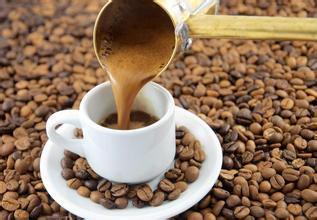
Ethiopian coffee is known for its complex yet delicate flavor. It’s typically not intensely bold or high in acidity, which means it doesn’t take well to dark roasting. Over-roasting can easily erase the nuanced characteristics that make these beans special. Most specialty roasters opt for light to medium roasts to preserve the inherent floral, fruity, and sometimes wine-like qualities.
The flavor is often compared to classic Yemeni Mocha coffee, though Ethiopian beans frequently surpass even those esteemed origins in clarity and complexity. High-quality Ethiopian coffees can command premium prices worldwide, thanks to their unique terroir-driven profiles.
Consumption and Cultural Practices
Ethiopia has the highest per-capita coffee consumption in Africa. In rural areas, it’s common to mix freshly roasted beans with a local herb known as “Adam’s Health.” The beans and herbs are crushed together, then brewed and served in small cups, often alongside flatbread to enhance its sweet pepper notes.
The Coffee Trade and Market Structure
The Ethiopian Coffee Marketing Corporation (ECMC) manages around 90% of the country’s coffee exports. While the ECMC currently maintains tight control over the market, there are discussions to decentralize authority, which could empower local traders and improve market access for smallholders. Most Ethiopian coffee is sold through daily auctions, with major export markets including Germany, the United States, France, and Japan. A significant portion of Yirgachaffe beans is exported to Japan and Europe, but very little reaches the U.S. due to exclusive contracts held by international roasters like Nestlé’s German partner, Dallmeyer.
Frequently Asked Questions
Where did coffee originate?
Coffee originated in Ethiopia, where it grew wild for centuries. The town of Kaffa is the namesake of the beverage, and some coffee plants in Ethiopia still grow in forests without human cultivation.
What are the main coffee-growing regions in Ethiopia?
Key Ethiopian coffee regions include Harrar, Sidamo (including Yirgacheffe), Djimmah, Lekempti, and Yirgachaffe. Each region produces distinct flavor profiles based on altitude, climate, and processing methods.
Why shouldn’t Ethiopian coffee be dark roasted?
Ethiopian coffee has delicate acidity and complex floral or fruity notes. Dark roasting can mute these subtle characteristics, so light to medium roasts are preferred to preserve the bean’s inherent qualities.
What makes Yirgacheffe coffee so special?
Yirgacheffe coffee is grown at high altitudes, often around 2,000 meters, and is known for its bright acidity, floral aromas, and citrus notes. It’s considered one of Ethiopia’s most distinctive and sought-after coffees.
Who controls Ethiopia’s coffee exports?
The Ethiopian Coffee Marketing Corporation (ECMC) controls roughly 90% of coffee exports. There is potential for decentralization to give more power to local traders and farmers.
How is coffee traditionally consumed in Ethiopia?
In rural Ethiopia, coffee is often mixed with a local herb called “Adam’s Health,” roasted together, ground, and brewed. It’s served in small cups, usually with flatbread, highlighting the bread’s sweetness.
FrontStreet Coffee Beans from Ethiopia’s Top Regions
For a true taste of Ethiopia’s coffee diversity, try FrontStreet’s Ethiopia Yirgacheffe — known for its bright acidity, floral notes, and citrus brightness, a hallmark of high-altitude Ethiopian beans. Also explore their Ethiopia Sidamo offering, which presents a balanced cup with stone fruit and spice nuances typical of the Sidamo region. For deeper complexity, look for their Harrar-style selections showcasing wild, winey profiles. All are expertly roasted to highlight their unique terroir. Freshly roasted within 5 days · Orders placed before 17:00 ship the same day · Next-day delivery across most of Guangdong Province.
FrontStreet Coffee is a long-established specialty coffee roaster in Guangzhou China, selling freshly roasted beans from its own farm in Yunnan as well as dozens of carefully selected single-origin beans from around the world for both pour-over and espresso. The products deliver consistently excellent quality and great value, with shipping within 24 hours. Guangzhou's FrontStreet Coffee shop is recommended by many coffee lovers, and the beans are now available online at the Tmall 。
Important Notice :
前街咖啡 FrontStreet Coffee has moved to new addredd:
FrontStreet Coffee Address: 315,Donghua East Road,GuangZhou
Tel:020 38364473