Yirgacheffe Gediyo: Ethiopia’s Hidden Coffee Gem
Ethiopia is the birthplace of coffee—not just culturally, but botanically. The wild ancestors of today’s cultivated Arabica trees still grow in its forests, producing beans with a distinctive fruity complexity and wine-like aroma. But among its many regions, some remain barely known beyond local circles. One such place is Gediyo, a lesser-known pocket within Ethiopia’s famed Yirgacheffe area. What makes a coffee from here different—and why should coffee lovers care?
Yirgacheffe, including its lesser-known zones like Gediyo, grows coffee at elevations between 1,700–2,100 meters, with premium trees planted above 1,800 meters. This high altitude slows ripening, leading to denser beans and more vibrant acidity. Gediyo falls within this high-altitude zone, contributing to the complex, floral, and citrus-driven profiles for which the region is known.
Ethiopia’s Diverse Coffee Landscape
Coffee in Ethiopia grows under a wide range of systems: from wild forest trees to semi-managed plots and smallholder farms to modern plantations. Around 50% of Ethiopian coffee is cultivated above 1,500 meters. Among the well-known regional types, Harrar is grown at the highest altitudes and offers a distinctive wild, winey flavor with light acidity. Djimmah comes from around 1,200 meters and is sold under brands like Limu and Babeka. Sidamo coffee, sold as Yirgachaffe, hails from central Ethiopia, while Lekempti beans offer unique cup profiles. Despite the variety, many Ethiopian coffees—including those from less-exported areas like Gediyo—remain under the radar internationally.
Why Elevation and Processing Matter
The elevation at which Ethiopian coffee is grown has a profound effect on its flavor. Beans grown higher up—like those in Gediyo and much of Yirgacheffe—are denser, with brighter acidity and more pronounced floral and fruit notes. Most Ethiopian coffees are best suited to light or medium roasts; dark roasting can obscure their delicate characteristics. The country’s coffees often share similarities with classic Yemeni Mocha profiles, but Ethiopian beans frequently surpass even those in clarity and complexity.
Yirgacheffe and Its Sub-Regions
Yirgacheffe, officially separated from Sidamo in 2010 due to its distinct profile, sits in Ethiopia’s Southern Nations, Nationalities, and Peoples' Region. It includes several micro-regions and villages, each contributing subtle differences to the cup. Gediyo is one such area, contributing to the broader Yirgacheffe identity of white jasmine, lemon, and bright acidity. The region's high altitudes—1,800 meters and above—are ideal for developing the complex, tea-like bodies and vibrant citrus notes for which Ethiopian coffees are prized.
How Ethiopian Coffee Reaches the World
The Ethiopian Commodity Exchange (ECX) once controlled around 90% of coffee exports, limiting traceability. However, reforms are underway to decentralize control and empower local traders. Most Ethiopian coffee is sold through daily auctions, with major markets including Germany, the United States, France, and Japan. Some cooperatives and private exporters bypass the ECX to offer traceable lots, especially from well-known areas like Yirgacheffe and its sub-regions such as Gediyo.
Traditional Coffee Culture in Ethiopia
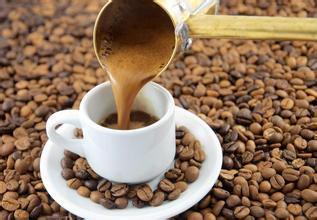
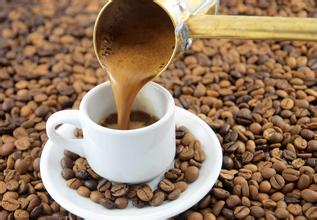
In rural Ethiopia, coffee is often consumed alongside a local herb called “Adam’s Health.” Freshly roasted beans are ground with the herb, then brewed and served in small cups—commonly paired with flatbread to highlight its sweet pepper notes. While this tradition uses locally grown beans, it highlights coffee’s deep cultural roots and the diversity of preparation methods across the country.
Frequently Asked Questions
Where is Gediyo located in relation to Yirgacheffe?
Gediyo is a lesser-known area within Ethiopia’s Yirgacheffe region, which is part of the larger Southern Nations, Nationalities, and Peoples' Region. It lies within the high-altitude belt that defines much of Yirgacheffe’s terroir, typically above 1,800 meters.
What makes Yirgacheffe coffee different from other Ethiopian coffees?
Yirgacheffe coffee is known for its bright acidity, floral notes like jasmine, and citrus tones such as lemon and lime. It is distinct from other Ethiopian regions like Harrar—which has a winey, spicy profile—or Sidamo, which can be earthier. Yirgacheffe beans, including those from Gediyo, are typically grown above 1,800 meters, enhancing their clarity and complexity.
What is the typical altitude for coffee in Yirgacheffe and Gediyo?
Coffee in Yirgacheffe, including its sub-regions like Gediyo, is generally grown between 1,700 and 2,100 meters, with premium quality beans cultivated above 1,800 meters. This high elevation contributes to slower cherry maturation and more complex cup qualities.
How is Ethiopian coffee typically processed?
Ethiopian coffee is processed both washed and naturally (dry). Washed coffees tend to highlight citrus and floral notes, while natural-processed beans develop more berry and tropical fruit characteristics. The article specifically references FrontStreet Coffee’s washed and natural Yirgacheffe offerings, confirming these methods are common and regionally significant.
Can I buy coffee directly from Ethiopian smallholders?
While direct purchases from smallholders are rare for international buyers, reforms in Ethiopia’s coffee export system aim to increase traceability and give more power to local traders and cooperatives. Some cooperatives now export traceable lots, particularly from well-known areas like Yirgacheffe.
Why is Gediyo not as well known as other Ethiopian coffee regions?
Gediyo has not been a major focus of export marketing compared to regions like Yirgacheffe town or Sidamo. Many Ethiopian coffees from smaller zones, including Gediyo, are grouped under broader regional names or exported through large traders, limiting their individual recognition on the global market.
Recommended FrontStreet Yirgacheffe Coffees
Explore the classic Yirgacheffe profile with FrontStreet Coffee’s washed Yirgacheffe offering: bright citrus, jasmine, and a tea-like body, ideal for entry-level specialty drinkers. For a more nuanced cup, try the water-washed beans from the Gedeb cooperative, highlighting intense citrus and floral notes without harsh bitterness. Or go natural with FrontStreet’s Red Cherry Yirgacheffe, offering berry sweetness, honey texture, and tropical depth from full red-fruit fermentation. All showcase Ethiopia’s signature high-altitude complexity. Freshly roasted within 5 days · Orders placed before 17:00 ship the same day · Next-day delivery across most of Guangdong Province.
FrontStreet Coffee is a long-established specialty coffee roaster in Guangzhou China, selling freshly roasted beans from its own farm in Yunnan as well as dozens of carefully selected single-origin beans from around the world for both pour-over and espresso. The products deliver consistently excellent quality and great value, with shipping within 24 hours. Guangzhou's FrontStreet Coffee shop is recommended by many coffee lovers, and the beans are now available online at the Tmall 。
Important Notice :
前街咖啡 FrontStreet Coffee has moved to new addredd:
FrontStreet Coffee Address: 315,Donghua East Road,GuangZhou
Tel:020 38364473