What Is Mocha Coffee? Flavor, Origin & History
When you hear 'mocha,' you might think of chocolate in your latte—but the term originally referred to something very different: coffee from Yemen’s Red Sea port of Mocha. For centuries, this was the world’s main source of coffee, shipped from the Middle East to Europe and beyond. But where did those beans really come from, and why do they taste so distinct? If you’ve ever sipped a Yemeni coffee and noticed floral, fruity, or even spicy notes, you’ve tasted the legacy of the original mocha.
In short: Mocha coffee refers to beans grown in Yemen, especially around Mocha port. They’re known for bright acidity, notes of apple, flower, spice, and sometimes chocolate or caramel—often with a wild, complex character. The most prized come from regions like Mattari, Sharki, and Sanani, typically harvested between December and April.
The Origins of Mocha Coffee
The word 'mocha' doesn’t refer to chocolate—it’s tied to Yemen’s Mocha port, the main export hub for coffee in the 17th and 18th centuries. Before the 6th century, the region we now call Yemen was known as Arabia, so the coffee trees grown there were called 'Arabian coffee trees.' But their true origin was Ethiopia. It was Dutch traders who transported these trees from Yemen’s Mocha port around the Cape of Good Hope, eventually spreading them to places like Ceylon (now Sri Lanka) in 1696 and Java’s Batavia.
What Makes Yemeni Mocha Coffee Different?
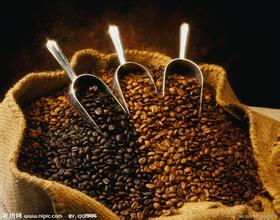
Yemeni coffee beans, especially those labeled 'mocha,' have a distinct look and flavor. They’re typically smaller and rounder than most commercial beans—some are nearly pea-shaped, similar to peaberry beans. Their appearance often resembles Ethiopian Harrar beans, another origin known for bold, spicy profiles.
Flavor-wise, Yemeni mocha coffees are famously high in acidity with complex tasting notes. Common descriptors include apple, floral hints, nuttiness (like walnuts or hickory), and sometimes even a sugarcane-like sweetness or a subtle chocolate note. That chocolatey trait may have even inspired early attempts to pair coffee with chocolate. Despite the small size, these beans often carry a punchy, distinctive flavor that stands out even among other specialty coffees.
How Yemeni Coffee Is Grown and Processed
Yemeni coffee farmers traditionally plant trees like Typica and Bourbon, though more than ten other Ethiopian landrace varieties are also cultivated. To protect the coffee plants from harsh sun and maximize limited water, growers plant tall shade trees such as poplars on steep terraced hillsides. The growing conditions are tough, with low rainfall and little arable land, yet these factors contribute to the coffee’s concentrated flavors.
After harvest, the coffee cherries are dried with the fruit still attached to the bean—a common practice in Yemen. Unlike modern mechanical hullers, many producers still use traditional stone mills to remove the dried husk. This method often leaves the beans with irregular shapes and occasional surface damage, but it’s part of what gives Yemeni coffee its unique character. The processing can also lead to a sticky or partially hulled appearance, which is entirely normal for these beans.
Challenges in Yemeni Coffee Quality and Grading
One of the biggest challenges with Yemeni mocha coffee is consistency. While the best lots offer low caffeine levels and exceptional complexity, quality can vary widely. Traditionally, the most sought-after Yemeni coffees come from regions like Mattari (considered the highest quality), Sharki (slightly lower), and Sanani. These beans are usually harvested between December and April.
Another issue has been inconsistent grading and blending. In the past, high-quality beans from northern regions were sometimes mixed with inferior beans before export from southern ports like Aden. To ensure authenticity, buyers often looked for coffee shipped specifically from the northern port of Hodeida. Most Yemeni coffee is still grown with minimal external inputs due to limited resources, which adds to the wild, untamed nature of its cup profile.
Frequently Asked Questions

What does mocha coffee taste like?
Yemeni mocha coffee typically features bright acidity with notes of apple, flowers, spices, walnuts or hickory, and sometimes chocolate or sugarcane. The flavor is complex, often wild, and can vary significantly by region and processing.
Where is mocha coffee originally from?
Although called 'mocha' after the Yemeni port of Mocha, the coffee originally comes from Ethiopia. The trees were brought to Yemen and later exported globally from the Mocha port starting in the 17th century.
Why are Yemeni coffee beans so small and irregular?
Yemeni coffee beans, particularly mocha types, are naturally small and sometimes round like peaberries. They’re often processed using traditional stone mills, which can lead to irregular shapes and surface damage—but also contribute to their unique cup character.
What are the best regions for Yemeni mocha coffee?
The most prized Yemeni mocha coffees come from Mattari, Sharki, and Sanani. Mattari is generally considered the highest quality, with Sanani and Sharki following. These regions produce beans harvested between December and April.
Is mocha coffee related to chocolate?
The name 'mocha' originally referred to coffee from Yemen’s Mocha port, not chocolate. However, the chocolatey notes some Yemeni beans exhibit may have inspired early recipes combining coffee and chocolate.
How is Yemeni coffee processed?
Most Yemeni coffee is processed naturally, with cherries dried in the fruit before being hulled using traditional stone mills. This method often leaves beans with irregular shapes and can introduce slight stickiness or damage, typical for the origin.
Recommended FrontStreet Beans with Floral & Fruity Notes
If you enjoy the floral, fruity, and complex profile of Yemeni mocha coffee, try FrontStreet Coffee’s Ethiopia Huakui. It’s celebrated for intense tropical fruit aromas—strawberry, pineapple, lychee—and a juicy, tea-like body with almost no bitterness. For bright acidity and vivid red fruit, Kenya Little Tomato delivers sharp cranberry and blackcurrant flavors with a juicy, clean finish. Both highlight the kind of vibrant, layered fruitiness often found in high-quality mocha-style coffees. Freshly roasted within 5 days · Orders placed before 17:00 ship the same day · Next-day delivery across most of Guangdong Province.
FrontStreet Coffee is a long-established specialty coffee roaster in Guangzhou China, selling freshly roasted beans from its own farm in Yunnan as well as dozens of carefully selected single-origin beans from around the world for both pour-over and espresso. The products deliver consistently excellent quality and great value, with shipping within 24 hours. Guangzhou's FrontStreet Coffee shop is recommended by many coffee lovers, and the beans are now available online at the Tmall 。
Important Notice :
前街咖啡 FrontStreet Coffee has moved to new addredd:
FrontStreet Coffee Address: 315,Donghua East Road,GuangZhou
Tel:020 38364473