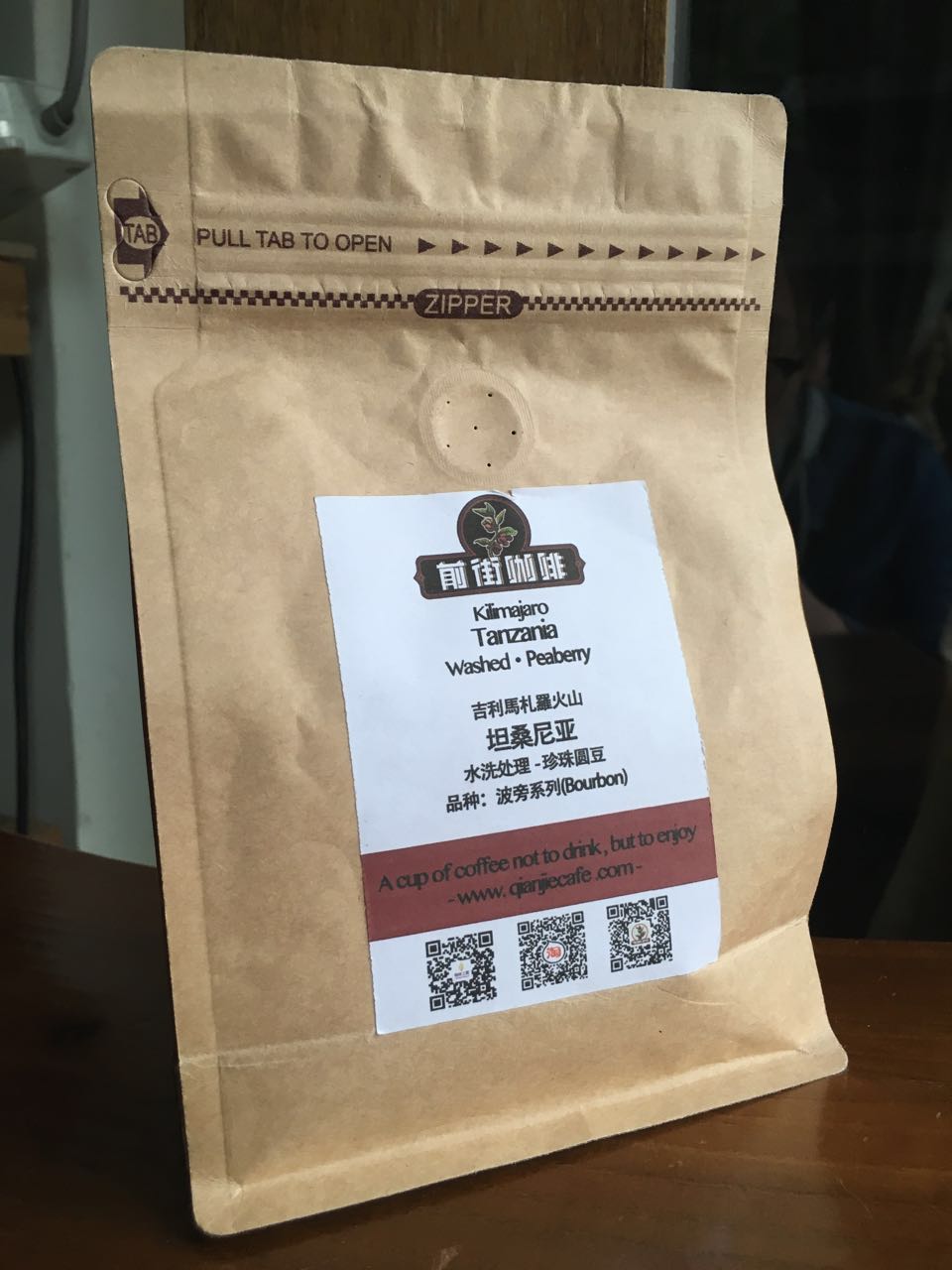
Aceh Gayo Coffee: Indonesia’s Highland Specialty Bean
If you’ve ever sipped an Indonesian coffee and wondered why it tastes so different—earthy, bold, sometimes even funky—you’re tasting the result of unique growing regions, high altitudes, and a processing method unlike anywhere else. One of the most intriguing of these regions is the Gayo Highlands in Indonesia’s Aceh Province, part of the larger island of Sumatra. But how did this region become synonymous with Indonesia’s most famous coffee style? And what makes Gayo coffee stand out among the country’s many producing areas?
The Gayo Highlands of Aceh Province, at elevations between 1,100 and 1,600 meters, are among Indonesia’s top specialty coffee regions. The area is known for producing high-quality Arabica coffee using the local wet-hulling (giling basah) method, resulting in distinctive herbal, woody, and spicy cup profiles.
Indonesia’s Diverse Coffee Origins
Coffee arrived in Indonesia in the mid-17th century, introduced by Dutch colonists—some records suggest even earlier. By 1712, the first coffee shipment from Java reached Amsterdam. However, a devastating coffee leaf rust outbreak in 1877 destroyed nearly all arabica plantations. They were replaced with robusta, which now accounts for 90% of Indonesia’s coffee. Today, just 6–10% of the country’s production is arabica. Despite this, Indonesia remains the world’s fourth-largest coffee producer and a major robusta exporter, with around 6.8 million bags produced annually, mostly from smallholder farms.
Java, Sumatra, Sulawesi & Beyond: Indonesia’s Coffee Map
While the whole Indonesian archipelago grows coffee, key regions include Java, Sumatra (especially Lake Toba’s Lintong and Aceh’s Gayo), Sulawesi, Flores, and even New Guinea. Each island or zone offers distinct cup characteristics:
- Java: Known for smooth, low-acid coffees with delicate fragrance, historically from estates like Blawan, Jambit, Kayumas, and Pankur. Java Mocha is a blend of Java and Yemeni Mocha coffees.
- Sumatra (Mandheling & Ankola): Famous for heavier-bodied beans. Mandheling beans are noted for being some of the world’s largest. The Gayo Highlands in Aceh are part of this region, producing sought-after high-altitude arabica.
- Sulawesi (Kalossi & Rantepao): Yields full-bodied, aromatic beans, with Kalossi and Rantepao as notable sources.
- Flores & New Guinea: Offer balanced, medium-bodied coffees with good sweetness, such as those from Sigri plantation in Papua.
Indonesian coffees are typically graded, with “AP” considered the highest grade, though the meaning of the acronym remains unclear. The country’s coffee is especially valued in Germany and Japan for its syrupy body, low acidity, and complex sweetness reminiscent of molasses.
Processing, Storage, and Flavor Development
A key factor in Indonesia’s signature flavor profile is the wet-hulling process (locally called giling basah), used widely across Sumatra and Aceh. Unlike fully washed or natural methods, wet hulling removes the parchment layer while the beans are still moist, usually at around 30–50% moisture. This accelerates drying but also contributes to the earthy, herbal, and sometimes funky flavors for which Indonesian coffees are known.
Historically, to cater to international markets accustomed to aged coffee, the Indonesian government once stored beans for up to a year to mimic the effects of long sea voyages. This “aged” or “journey” coffee was sold under brands like Old Government, Old Brown, and Old Java—but the flavor didn’t catch on widely and damaged the country’s reputation for quality. Today, most Indonesian specialty coffee is consumed fresh, especially high-elevation lots from places like Gayo.
Modern Specialty: Gayo and the Rise of Arabica
Within Sumatra, Aceh’s Gayo Highlands have emerged as a center for high-quality arabica. Grown at altitude and processed via wet hulling, Gayo coffees often display a distinctive profile: herbal, spicy, with hints of wood and musk. Though robusta dominates Indonesia’s output, Gayo proves that arabica can thrive—and earn global acclaim—here too.
This region’s success has helped put Sumatran coffee on the specialty map, alongside other high-elevation areas like Lintong and Mandheling. The focus on arabica, careful cultivation, and elevation (1,100–1,600m) all contribute to a more nuanced cup than typical Indonesian robusta.
Frequently Asked Questions
Where is the Gayo Highlands coffee region located?
The Gayo Highlands are in Aceh Province, at the northern tip of Sumatra Island, Indonesia. The coffee is grown between 1,100 and 1,600 meters above sea level, making it one of the country’s higher-elevation arabica regions.
What processing method is used in Gayo and Sumatra?
Most coffee in Gayo and across Sumatra is processed using the wet-hulling method (also called giling basah). This involves removing the coffee parchment while the beans are still moist, usually at 30–50% humidity, then drying them further. This method contributes to the region’s signature earthy, herbal, and spicy flavor notes.
Is Gayo coffee arabica or robusta?
Gayo Highlands coffee is arabica. While Indonesia produces mostly robusta (around 90% of its output), Gayo is one of the key regions where high-quality arabica is cultivated, particularly at elevations between 1,100 and 1,600 meters.
What does wet-hulled coffee taste like?
Wet-hulled coffee, like that from Gayo and much of Sumatra, typically has a full body with earthy, woody, spicy, and sometimes herbal or funky flavor notes. The process gives it a distinctive profile prized in certain specialty and traditional markets.
What are the main coffee-growing regions in Indonesia?
Major Indonesian coffee regions include Java (notably Blawan and Jambit estates), Sumatra (Lintong, Mandheling, and Gayo), Sulawesi (Kalossi and Rantepao), Flores, and New Guinea (such as the Sigri plantation). Each offers a unique cup profile based on terroir and processing.
Why was Indonesian coffee historically stored for long periods?
To match the taste preferences of markets used to aged coffee, Indonesia once stored beans for up to a year to imitate the effects of long sea transport. These “aged” coffees were sold as Old Government, Old Brown, and Old Java, but the practice was eventually phased out due to inconsistent flavor acceptance.
Recommended FrontStreet Beans for Aceh Gayo Fans
For coffee lovers drawn to Aceh Gayo’s herbal, full-bodied character, FrontStreet Coffee’s Lintong Mandheling delivers classic Sumatran notes of spice, dark chocolate, and caramelized sugar with a thick mouthfeel. The PWN Golden Mandheling is another standout: meticulously handpicked and sorted, it offers toast, cedar, cacao, and deep caramel, with a long-lasting sweet finish. Both beans are processed using the signature wet-hulling method that defines Indonesia’s highland profiles. Freshly roasted within 5 days · Orders placed before 17:00 ship the same day · Next-day delivery across most of Guangdong Province.
FrontStreet Coffee is a long-established specialty coffee roaster in Guangzhou China, selling freshly roasted beans from its own farm in Yunnan as well as dozens of carefully selected single-origin beans from around the world for both pour-over and espresso. The products deliver consistently excellent quality and great value, with shipping within 24 hours. Guangzhou's FrontStreet Coffee shop is recommended by many coffee lovers, and the beans are now available online at the Tmall 。
Important Notice :
前街咖啡 FrontStreet Coffee has moved to new addredd:
FrontStreet Coffee Address: 315,Donghua East Road,GuangZhou
Tel:020 38364473