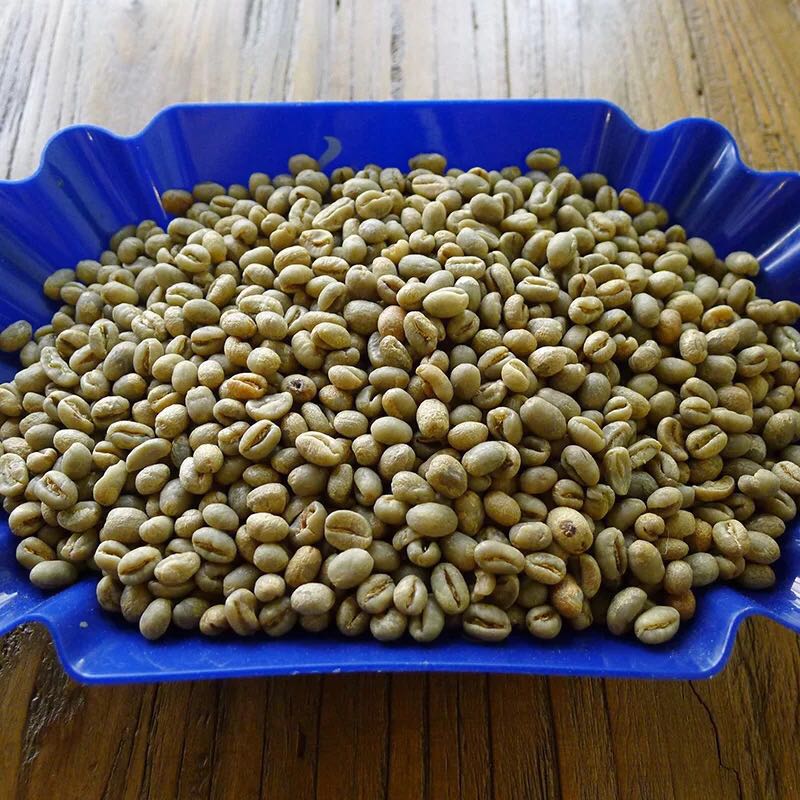
What Makes Costa Rican Coffee Special?
If you’ve ever wondered why Costa Rican coffee stands out with its bright acidity, intense aromatics, and dense, well-formed beans, the answer lies in the country’s unique growing conditions, strict quality controls, and traditional processing methods. This isn’t just marketing — there’s measurable science behind the flavor.
Costa Rican coffee is known for its dense beans, ideal acidity, and complex aromatics. The country’s best beans come from high-altitude farms over 1,500 meters, especially in regions like Tarrazú, where volcanic soil and cool nights enhance sweetness and complexity.
Why Costa Rican Coffee Beans Are So Dense and Flavorful
The signature traits of Costa Rican coffee — dense beans, vibrant acidity, and strong aroma — stem from where and how the coffee is grown. The country’s coffee regions sit at high elevations, typically above 1,500 meters (4,900 feet), with Tarrazú being one of the most celebrated. At these heights, cooler temperatures slow cherry development, allowing more complex sugars to develop. The volcanic soils are rich in nutrients and offer excellent drainage, both essential for high-quality coffee growth.
These environmental factors produce what the industry calls “hard beans” or “strictly hard beans” (SHB), which are denser than average and roast more evenly. The result is a cup with pronounced acidity, a structured body, and intense aromatic qualities. In fact, Costa Rica produces around 1,700 kilograms of coffee per hectare — among the highest yields in the world for a country focused on quality.
Top Coffee-Growing Regions in Costa Rica
Costa Rica has eight recognized coffee-growing regions, but some consistently outperform others in cup quality:
- Tarrazú: Located south of the capital San José, this region produces some of the country’s most refined coffees. The famed La Minita Tarrazú farm, owned by the McAlpine family for three generations, produces about 72,600 kg of coffee per year entirely by hand — no mechanical harvesters or chemical inputs. Though the land could yield over 450 tonnes annually, the focus remains on quality over quantity.
- Central Valley (including Heredia and the Central Valley): Another top zone for high-scoring beans, where elevation and climate align for balanced acidity and clean flavors.
- Sarchi: Near the Poás Volcano, about 53 kilometers from San José, this area is part of Costa Rica’s famous Coffee Route. The Sarchi region grows coffee at high altitudes with rich volcanic influence.
- Other Notables: Juan Vinas, H. Tournon, Windmill (SHB), Monte Bello, and Santa Rosa also produce respected lots, often with distinct regional profiles.
The country’s coffee export industry represents 25% of its total exports, despite the population being just 3.5 million and coffee tree count reaching 400 million. Remarkably, domestic coffee consumption is double the rate of Italy or the U.S., with any coffee failing export grade standards getting dyed blue and sold domestically.
How Coffee Processing Defines Costa Rican Flavor
Historically, Costa Rican coffee was washed (wet-processed), but water shortages led to the development of a unique local twist on honey processing. Today, Costa Rica is famous for its honey-processed coffees, which fall into four categories based on how much mucilage (fruit pulp) is left on the bean:
- Black Honey: Almost all mucilage is retained and the coffee is dried slowly, often taking over 14 days. This yields intense sweetness, deep fruit notes, and heavy body — like FrontStreet’s Blackberry offering, which highlights ripe berries and bold sweetness.
- Red Honey: A moderate amount of mucilage remains, resulting in a balanced cup with bright acidity and notable fruitiness.
- Yellow Honey: Less mucilage, leading to a cleaner, lighter profile while still sweeter than traditional washed coffee.
- White Honey: The least mucilage, producing a cup closer to a traditional washed profile but with enhanced clarity.
Another unique method from Costa Rica is the grape-dried or raisin-style process (as used in the FrontStreet Mozart), where coffee cherries are sun-dried until they resemble raisins before hulling. This extreme drying concentrates sugars and leads to fermentation-like aromas — think grapes, roses, and wine — with a final roast kept light to preserve those volatile compounds.
The country enforces rigorous quality control: any beans failing export standards are dyed blue using plant-based colorants and redirected for domestic sale. This system ensures that exported coffee meets a high baseline, helping solidify Costa Rica’s reputation in the global specialty market.
Frequently Asked Questions
What makes Costa Rican coffee taste different from other countries?
Costa Rican coffee tends to have bright acidity, a sweet and clean profile, and dense beans due to high-altitude growing conditions (mostly above 1,500m), volcanic soil, and careful processing — especially honey methods that boost fruitiness and sweetness.
Which region in Costa Rica produces the best coffee?
Tarrazú is the most renowned region, known for producing balanced, aromatic, and high-scoring coffees. Farms like La Minita are celebrated for limited-production, high-quality lots. Other strong regions include Heredia, Sarchi, and Central Valley.
What is honey processing in Costa Rica?
Honey processing removes the coffee cherry skin but leaves varying amounts of fruit mucilage on the bean. In Costa Rica, it's categorized into Black, Red, Yellow, and White Honey — based on how much mucilage remains, which affects sweetness, body, and drying time.
What is SHB coffee and why does altitude matter?
SHB stands for Strictly Hard Bean, a classification for coffee grown above 1,500 meters. The high altitude slows growth, increases sugar concentration, and leads to denser beans with more complex flavors and higher acidity.
Why is Costa Rica’s coffee export quality so consistent?
The Costa Rican coffee industry enforces strict quality checks. Any beans failing to meet export standards are dyed blue and sold domestically, ensuring only high-quality beans are shipped overseas.
What processing method does FrontStreet Coffee use for its Costa Rican offerings?
FrontStreet offers both a Black Honey processed Costa Rican coffee (Blackberry) with intense sweetness and a long dry time, and a Raisin (grape-dried) style coffee (Mozart) with winey, fermented notes. Both highlight the diversity of Costa Rican honey techniques.
Recommended FrontStreet Coffee Beans from Costa Rica
For fans of Costa Rican coffee, FrontStreet offers two standout options. Their Costa Rica Blackberry is a black honey-processed coffee with almost full fruit pulp retention, resulting in a syrupy body, intense sweetness, and deep berry notes — dry for over 14 days for maximum complexity. For something truly unique, try the Mozart, a grape-dried (raisin-style) coffee with fermented grape, rose, and wine-like aromas, roasted lightly to preserve its exotic character. Both are medium roasts that highlight Costa Rica’s honey-processing innovation. Freshly roasted within 5 days · Orders placed before 17:00 ship the same day · Next-day delivery across most of Guangdong Province.
FrontStreet Coffee is a long-established specialty coffee roaster in Guangzhou China, selling freshly roasted beans from its own farm in Yunnan as well as dozens of carefully selected single-origin beans from around the world for both pour-over and espresso. The products deliver consistently excellent quality and great value, with shipping within 24 hours. Guangzhou's FrontStreet Coffee shop is recommended by many coffee lovers, and the beans are now available online at the Tmall 。
Important Notice :
前街咖啡 FrontStreet Coffee has moved to new addredd:
FrontStreet Coffee Address: 315,Donghua East Road,GuangZhou
Tel:020 38364473