How to Brew Santa Ana Coffee from El Salvador
If you’ve ever tried a Central American coffee that’s bright but smooth, balanced but not boring, there’s a good chance it came from El Salvador—specifically, from the Santa Ana region. This small Central American country produces coffee known for its finesse: light-bodied, fragrant, mildly acidic, and remarkably well-balanced. But what’s the best way to bring out those qualities? Here’s how to roast, choose, and brew Santa Ana coffee for the cup it’s truly capable of.
To get the best from Santa Ana coffee beans, roast them to a medium or medium-dark level (around City+ to Full City), aiming for a development time ratio of 16–20%. This highlights their natural balance of acidity, sweetness, and mild bitterness. For brewing, use a pour-over method with a medium-fine grind (similar to table salt) and a 1:15 to 1:16 brew ratio.
What Is Santa Ana Coffee?
Santa Ana is one of the key coffee-growing regions in El Salvador, contributing to the country’s reputation for producing some of the most balanced and aromatic coffees in Central America. El Salvador as a whole is known for high-quality Arabica beans that are typically light- to medium-bodied, with clean acidity, delicate floral or fruity notes, and a smooth, sweet finish. Santa Ana coffee, in particular, reflects these traits while often exhibiting a particularly well-integrated flavor profile.
The History Behind El Salvador Coffee Production
El Salvador’s coffee industry faced major setbacks during the 1980s and early 1990s. Guerrilla warfare in the 1980s severely disrupted the economy, causing coffee production to drop from 3.5 million bags in the early 1970s to just 2.5 million bags by 1990–1991. The eastern regions, where much of the coffee was grown, were hit hardest. Many farmers abandoned their farms, and production per hectare fell from around 1,200 kg to under 900 kg due to labor shortages and lack of investment.
The government also imposed a 15% export tax on top of an existing 30% duty in 1986, further discouraging quality-focused exports. By 1990, recognizing coffee’s role in employment and foreign exchange, the government began privatizing parts of the export sector. Today, coffee still makes up around 40% of the country’s exports, with the highest-grade beans typically shipped between January and March. Germany imports 35% of El Salvador’s Strictly High Grown (SHB) beans.
El Salvador Coffee Grading and Quality Tiers
El Salvador classifies its coffee by altitude, which strongly influences cup quality. The three official grades are:
- SHB (Strictly High Grown): Grown at elevations above 1,350 meters. These beans are dense, have complex flavors, and make up the finest El Salvador coffees—including those from Santa Ana.
- HEC (High Grown Central): Grown between 1,100 and 1,350 meters. These offer good balance and are widely exported.
- CS (Central Standard): Grown below 1,100 meters. These are considered lower grade and are less common in specialty markets.
Among the notable brands, “Pipil” is highly regarded. It references the ancient Nahuatl name for coffee and has earned organic certification from the Organic Certified Institute of America.
How to Roast Santa Ana Coffee Beans
To highlight the balanced profile of Santa Ana coffee, aim for a medium to medium-dark roast (City+ to Full City). At this level, the Maillard reaction develops enough body and sweetness while preserving the bean’s inherent acidity and nuanced flavors. Development time should typically be around 16–20% of the total roast time to avoid over-roasting and maintain the subtle fruit and floral notes that define high-quality Salvadoran coffees.
Roasters should look for a first crack that occurs predictably and avoid pushing into second crack unless a darker profile (like French or Espresso) is desired. The goal is to enhance the bean’s intrinsic balance—not mask it.
How to Brew Santa Ana Coffee
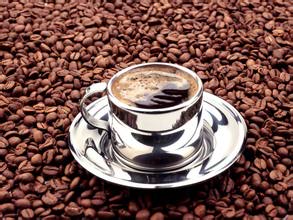
For the best results when brewing Santa Ana coffee at home, use a pour-over method such as V60 or Kalita Wave. The medium-fine grind size (comparable to table salt) and a brew ratio between 1:15 and 1:16 will allow the coffee’s clean acidity and delicate sweetness to shine through.
Use water heated to 92–94°C (198–201°F), and follow a standard blooming procedure (30g water per 1g coffee, bloomed for 30–45 seconds). Then proceed with a three-pour method, aiming for total brew time of around 2:30–3:00 minutes. This approach helps maintain the cup’s clarity and complexity.
Frequently Asked Questions
What is Santa Ana coffee?
Santa Ana coffee comes from the Santa Ana region in El Salvador, known for producing balanced, aromatic, and medium-bodied coffees with mild acidity and smooth flavor profiles. These beans are typically classified as SHB (Strictly High Grown) due to the region’s high elevation.
What roast level is best for El Salvador coffee?
The best roast level for El Salvador coffee, including beans from Santa Ana, is medium to medium-dark (City+ to Full City). This roast level enhances the coffee’s natural balance of sweetness, acidity, and body without overpowering its delicate flavors.
How should I brew Santa Ana coffee beans?
For optimal results, brew Santa Ana coffee using a pour-over method like V60 or Kalita Wave. Use a medium-fine grind, a 1:15 to 1:16 brew ratio, and water at 92–94°C. A typical brew time is around 2:30–3:00 minutes using a three-pour technique.
What are the main flavor characteristics of Santa Ana coffee?
Santa Ana coffee is known for its balanced flavor profile, with mild acidity, subtle sweetness, and a clean, smooth finish. Common tasting notes include floral, fruity, and caramel-like qualities, with a medium body and excellent cup clarity.
What are the coffee growing grades in El Salvador?
El Salvador grades its coffee by altitude into three categories: SHB (above 1,350m), HEC (1,100–1,350m), and CS (below 1,100m). SHB beans, including those from Santa Ana, are considered the highest quality due to their density and complex flavors.
Recommended FrontStreet Coffee for Santa Ana-Style Brewing
For fans of Santa Ana’s balanced and aromatic profile, try FrontStreet’s BrazilBourbon—smooth, lightly acidic, and sweet with notes of nuts and caramel, ideal for pour-over. Also consider FrontStreet’s ColombiaSidra, a honey-processed coffee with juicy tropical fruit and stone fruit layers, great for exploring sweetness and complexity. Both beans showcase the kind of clarity and balance typical of high-grown Central American coffees like Santa Ana. Freshly roasted within 5 days · Orders placed before 17:00 ship the same day · Next-day delivery across most of Guangdong Province.
FrontStreet Coffee is a long-established specialty coffee roaster in Guangzhou China, selling freshly roasted beans from its own farm in Yunnan as well as dozens of carefully selected single-origin beans from around the world for both pour-over and espresso. The products deliver consistently excellent quality and great value, with shipping within 24 hours. Guangzhou's FrontStreet Coffee shop is recommended by many coffee lovers, and the beans are now available online at the Tmall 。
Important Notice :
前街咖啡 FrontStreet Coffee has moved to new addredd:
FrontStreet Coffee Address: 315,Donghua East Road,GuangZhou
Tel:020 38364473