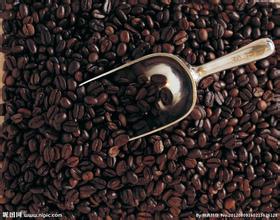
Guatemalan Coffee Varieties: Bourbon, Caturra, and SHB Beans
When you taste a cup of coffee that’s bold yet balanced—rich in acidity, sweet with hints of spice and tobacco—you might be drinking a Guatemalan single origin. But not all Guatemalan coffees are created equal. Once ranked among the world’s finest, the country’s coffee reputation dipped before staging a slow comeback. So what makes Guatemalan beans, especially those like Bourbon and Caturra, stand out today?
Guatemalan Strictly Hard Bean (SHB) coffees, particularly Bourbon and Caturra varieties grown at elevations above 1,400 meters, are prized for their dense beans, complex acidity, and balanced flavors. These coffees often exhibit notes of spice, fruit, and chocolate, and are considered some of Central America’s most distinctive specialty beans.
The Origins and Revival of Guatemalan Coffee
Coffee arrived in Guatemala in 1750, introduced by Jesuit priests. By the late 19th century, German settlers had established a thriving coffee industry. Today, much of Guatemala’s coffee is grown in the southern regions, particularly on the volcanic slopes of the Sierra Madre mountains. These high-altitude microclimates produce some of the most sought-after beans in the region.
In its prime, Guatemalan coffee significantly boosted the national economy, though political instability and global market pressures have historically challenged coffee growers. Despite producing only 700 kilograms of coffee per hectare—less than El Salvador’s 900 kg and Costa Rica’s impressive 1,700 kg—the country maintains a strong reputation for quality over quantity.
Key Coffee-Growing Regions and Their Unique Profiles
Notable coffee-producing areas include Antigua, Huehuetenango, Lake Atitlan, San Marcos, Cobán, and Zacapa. Each region imparts distinct characteristics to its beans based on altitude, soil, and climate.
Antigua, home to estates like Hacienda Carmona, is famed for producing some of Guatemala’s richest coffees. The El Pulcal lot from Carmona delivers a deeper, more intense profile with pronounced tobacco notes. The region benefits from periodic volcanic ash deposits, enriching the soil with nitrogen. Its high elevation, consistent rainfall, and sunny days create near-perfect growing conditions.
Huehuetenango, one of the country’s highest growing regions, produces bright, fruity coffees thanks to its dry, hot winds that protect coffee plants from frost despite its latitude. Lake Atitlan’s volcanic soil and microclimates yield nuanced cups with spicy and floral elements. Meanwhile, Cobán is known for its misty, humid environment that fosters smooth, balanced profiles.
These regions’ distinct terroirs help explain why Guatemalan beans, especially those classified as SHB, maintain such high specialty status.
Bourbon, Caturra, and Other Key Coffee Varieties in Guatemala
Among the arabica varieties cultivated in Guatemala, Bourbon and Caturra are especially significant. Bourbon, originally from Réunion Island (then called Bourbon), produces smaller, rounder beans and is known for its balanced cup with bright acidity and notes of caramel and citrus. Though lower-yielding and more disease-prone, Bourbon is favored by specialty roasters for its complex profile.
Caturra, a natural mutation of Bourbon, is more compact, higher-yielding, and easier to harvest, making it popular among smallholder farmers. It typically offers a brighter acidity and lighter body compared to Bourbon, with flavors often leaning toward citrus and berry.
The country also grows other classic arabica types, including Typica, Catuai, and newer hybrids. However, Bourbon remains especially esteemed by coffee connoisseurs. Notably, older Bourbon trees produce fewer but denser cherries, which often translate into more concentrated flavors in the cup.
According to local development efforts backed by a $2.5 million U.S.-funded initiative known as 'The Project', farmers are encouraged to cultivate high-quality beans rather than focusing solely on volume. The project also promotes on-farm processing to increase value retention—a response to the common issue of producers selling unprocessed cherries to intermediaries at lower returns.
Additionally, the Guatemalan National Coffee Association (Asociacion Nacional de Café) oversees quality standards and market regulation, although private firms handle most exports. A significant portion of top-tier beans is sent to Japan, where they can command premium prices of $3 to $4 per cup.
The Role of Processing and Altitude in Coffee Quality

Guatemala’s classification system includes SHB (Strictly Hard Bean) for beans grown above 1,350 meters, and SHG (Strictly High Grown) for those above 1,500 meters. The higher the altitude, the slower the bean maturation, allowing for greater sugar development and more complex flavors.
Most premium Guatemalan coffees are processed using the washed (wet) method, which highlights cleanliness and acidity. The combination of manual harvesting, careful processing, and volcanic or nutrient-rich soil contributes to the clarity and depth found in the final cup.
This focus on quality processing and terroir-driven cultivation has helped Guatemalan coffees regain international recognition among specialty buyers.
Frequently Asked Questions
What are the main coffee-growing regions in Guatemala?
The primary coffee-growing regions in Guatemala are Antigua, Huehuetenango, Lake Atitlan, San Marcos, Cobán, and Zacapa. Each region has distinct growing conditions that influence the flavor profile of the coffee, such as volcanic soil in Antigua, high winds in Huehuetenango, and humidity in Cobán.
What is SHB coffee and why is it important in Guatemala?
SHB stands for Strictly Hard Bean, referring to coffee grown at elevations above 1,350 meters. In Guatemala, these high-altitude beans grow more slowly, developing denser beans with richer flavors and higher acidity. SHB classification is a key marker of quality in Guatemalan specialty coffee.
Which coffee varieties are most commonly grown in Guatemala?
The most common coffee varieties in Guatemala include Bourbon, Caturra, Typica, Catuai, and hybrid types. Bourbon and Caturra are especially significant for specialty production due to their balanced acidity and complex flavor profiles. Bourbon is valued for its sweetness and caramel notes, while Caturra offers brighter acidity and easier harvesting.
Why did Guatemala’s coffee reputation decline in the past?
Guatemala’s coffee reputation declined due to political instability, economic challenges, and global market pressures that impacted farming practices and infrastructure. Smaller producers often sold unprocessed cherries to middlemen, reducing quality control and earnings. Efforts like 'The Project' aim to reverse this trend through better farming practices and direct processing.
What makes Antigua coffee different from other Guatemalan regions?
Antigua coffee is distinguished by its volcanic soil enriched by periodic ash deposits, high altitude, consistent rainfall, and sunny weather. Estates like Hacienda Carmona produce bold, complex coffees with deep tobacco notes and a heavier body, often considered among the best in the country.
Are there any initiatives to improve coffee quality and farmer income in Guatemala?
Yes, a $2.5 million U.S.-funded project encourages small-scale farmers to grow high-quality beans and process them on-site to retain more value. The effort also aims to break the cycle of high-volume, low-quality production by supporting better farming techniques and direct market access.
Recommended FrontStreet Beans for Exploring Guatemalan Profiles
For those curious about Guatemalan coffee profiles, try FrontStreet Coffee’s Brazilian Red Bourbon—a medium-roast offering bright acidity, creamy textures, and notes reminiscent of chocolate and red fruit, showcasing traits similar to Guatemalan Bourbons. Alternatively, the Yellow Bourbon from Brazil Queen Manor presents a cleaner, sweeter cup with caramelized peanut and almond notes, reflecting the gentler fruit expression sometimes found in high-grown Guatemalan Caturra types. For something closer in roast style, their Rwanda Red Bourbon highlights vibrant acidity and citrus complexity, akin to the bright profiles of Huehuetenango-grown beans. All are excellent examples of how Bourbon-type genetics express themselves across high-altitude regions. Freshly roasted within 5 days · Orders placed before 17:00 ship the same day · Next-day delivery across most of Guangdong Province.
FrontStreet Coffee is a long-established specialty coffee roaster in Guangzhou China, selling freshly roasted beans from its own farm in Yunnan as well as dozens of carefully selected single-origin beans from around the world for both pour-over and espresso. The products deliver consistently excellent quality and great value, with shipping within 24 hours. Guangzhou's FrontStreet Coffee shop is recommended by many coffee lovers, and the beans are now available online at the Tmall 。
Important Notice :
前街咖啡 FrontStreet Coffee has moved to new addredd:
FrontStreet Coffee Address: 315,Donghua East Road,GuangZhou
Tel:020 38364473