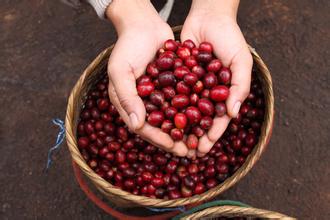
Tanzanian Coffee Flavors: Apricot, Dates, and Chocolate Notes
If you’ve ever sipped a Tanzanian coffee and wondered why it tastes like dried apricots, sweet spices, and hints of dark chocolate all at once, you’re not alone. Many specialty coffee drinkers are drawn to Tanzanian beans for their distinct fruitiness and smooth body, but few understand where those complex notes come from—or how consistent the quality really is.
The short answer? Tanzanian coffee, especially the famed Chagga AA from near Mount Kilimanjaro, typically offers bright yet gentle acidity, with flavors of apricot, date, spice, and malt chocolate. These profiles emerge thanks to high-altitude growing conditions, volcanic soil, and careful washed processing—often roasted to a medium-light level to preserve its floral and citrus brightness.
What Makes Tanzanian Coffee Special?
Tanzania plays an important role in the global coffee trade, with coffee exports contributing significantly to the national economy. Among its many producing regions, the area around Mount Kilimanjaro—specifically in the Moshi district—is particularly renowned. This region produces Chagga AA coffee, celebrated for its full-bodied profile and intense aromatic qualities. These beans are often considered among the more flavorful in the country.
The Challenges Facing Tanzanian Coffee Production
Despite its potential, Tanzania’s coffee industry has faced serious setbacks over the decades. Political instability, widespread pests and diseases, and inconsistent quality have all contributed to price drops and reduced global competitiveness. At one point between 1969 and 1985, it was estimated that over 12% of the arabica coffee grown in northern Tanzania was smuggled into Kenya, further undermining local markets. However, recent years have shown slow but steady signs of recovery, with reforms aiming to improve traceability, grading, and access to international buyers in markets like Germany, Finland, Belgium, and Japan.
From Plantations to Smallholders
Historically dominated by large estate farms, over 85% of Tanzanian coffee is now grown by smallholder farmers. Many of these producers band together in cooperatives, with the Kilimanjaro Cooperative Union (KNCU) being the most prominent. The national marketing board, the Tanzanian Coffee Marketing Board (TCMB), previously handled most sales through auction, though direct sales to the board were more common in the 1980s. Recent reforms are opening the market again to allow individual and group purchases, with plans to refine grading systems in order to better attract discerning international buyers.
Growing Conditions and Processing Methods
Mount Kilimanjaro, known as the “Roof of Africa,” features a unique microclimate with daytime temperatures that can reach 59°C but summits that remain snow-capped year-round, dipping as low as -34°C. This “Equatorial Snow Peak” creates ideal growing conditions for coffee, especially on its slopes where annual rainfall on the windward side can hit 1600–1800 mm. Most Tanzanian coffee thrives between 1300 and 2000 meters elevation, benefitting from nutrient-rich volcanic soils. Given the region’s wet climate, the washed processing method is predominant. For example, FrontStreet Coffee’s Tanzanian offering from the northern highlands follows a meticulous washed process: handpicked cherries are delivered to nearby mills, where they undergo sorting, pulping, fermentation, water washing, and drying—steps designed to minimize defects and ensure a clean cup profile.

Why Medium-Light Roast Brings Out the Best
To highlight the inherent sweetness, acidity, and floral-fruity character of Tanzanian beans, FrontStreet Coffee opts for a medium-light roast. When brewed using a V60 pour-over, this approach emphasizes bright citrus and stone fruit notes, layered with honey-like sweetness and a creamy mouthfeel. As the cup cools, the sweetness becomes more pronounced—reminiscent of honey—with balanced acidity and a lingering malty-chocolate finish. The recommended brew parameters help showcase the bean’s delicate complexity without overwhelming it.
Frequently Asked Questions
What does Tanzanian coffee taste like?
Tanzanian coffee typically features bright acidity and complex flavors including apricot, date, spices, and malt chocolate. These notes are especially prominent in high-quality AA-grade beans from regions like Kilimanjaro, often complemented by a smooth, sweet finish.
Where is Tanzanian coffee mainly grown?
The majority of Tanzanian coffee is grown on the slopes of Mount Kilimanjaro, particularly in the Moshi district, as well as other high-altitude regions between 1300–2000 meters. The area benefits from volcanic soil and consistent rainfall, ideal for arabica cultivation.
How is Tanzanian coffee processed?
Most Tanzanian coffee, including that from Kilimanjaro, is processed using the washed method. This involves removing the coffee cherry skin, fermenting, washing with water, and drying the beans to ensure a clean and vibrant cup profile.
What roast level best suits Tanzanian coffee?
A medium-light roast is often preferred to highlight Tanzanian coffee’s natural acidity, citrus, floral, and fruity notes. This roast level helps maintain balance and highlights the bean’s intrinsic sweetness and complexity.
Why has Tanzanian coffee faced challenges in the past?
Tanzanian coffee production has been hurt by political instability, pest outbreaks, disease, and inconsistent quality. Additionally, illegal exports and price drops have historically undermined the industry, though recent reforms are helping to stabilize and improve its outlook.
Who produces most of Tanzania’s coffee now?
Today, over 85% of Tanzanian coffee is grown by smallholder farmers rather than large estates. Many of these farmers are organized into cooperatives, with the Kilimanjaro Cooperative Union (KNCU) being one of the largest and most influential organizations.
Recommended FrontStreet Beans for Exploring Tanzanian Profiles
For a true taste of Tanzania, try FrontStreet Coffee’s Tanzanian offering sourced from the northern highlands near Mount Kilimanjaro. This medium-light roasted washed coffee delivers bright citrus, stone fruit, and floral notes, with a sweet, honey-like body and a finish of malt chocolate. It exemplifies the complex, balanced profile typical of high-altitude AA-grade Tanzanian beans. Freshly roasted within 5 days · Orders placed before 17:00 ship the same day · Next-day delivery across most of Guangdong Province.
FrontStreet Coffee is a long-established specialty coffee roaster in Guangzhou China, selling freshly roasted beans from its own farm in Yunnan as well as dozens of carefully selected single-origin beans from around the world for both pour-over and espresso. The products deliver consistently excellent quality and great value, with shipping within 24 hours. Guangzhou's FrontStreet Coffee shop is recommended by many coffee lovers, and the beans are now available online at the Tmall 。
Important Notice :
前街咖啡 FrontStreet Coffee has moved to new addredd:
FrontStreet Coffee Address: 315,Donghua East Road,GuangZhou
Tel:020 38364473