How Papua New Guinea Coffee Is Processed Using Natural Sun-Drying
In remote highland forests of Papua New Guinea, smallholder farmers grow some of the world’s most distinctive specialty coffee—yet quality issues once nearly destroyed the country’s export reputation. If you've ever wondered why certain PNG coffees taste so uniquely fruity yet balanced, or why quality varied so wildly in the 1990s, the answer lies as much in how the coffee is processed as where it’s grown.
Papua New Guinea processes most of its specialty coffee using the natural (sun-dried) method, especially at altitudes between 1300–1800 meters, where the climate allows for slow, even drying. This method contributes heavily to the cup’s signature sweetness and fruitiness. The country produces mostly A and AB grade beans, with AA being rare but occasionally available.
The Origins of PNG Coffee Farming
About 75% of Papua New Guinea’s coffee comes from small local farms, many carved out of dense forest or located in isolated, mountainous areas. These farms exist at elevations between 1300 and 1800 meters—ideal for growing high-quality Arabica. Some lowland plantings exist, but they contribute minimally to overall production. Due to rugged terrain and high transport costs, most farmers avoid synthetic fertilizers and pesticides, relying instead on natural growing conditions.
How Coffee Shaped PNG’s Economy
Coffee plays a vital role in Papua New Guinea’s economy, employing over a million people directly or indirectly. The industry is overseen by the Coffee Industry Board, headquartered in Goroka, while private companies handle exports. In response to the 1975 Brazilian frost that disrupted global supply, the PNG government launched an initiative to help rural communities establish around 20-hectare coffee farms. By 1990, annual production hit one million 60kg bags.
What Went Wrong in the 1990s?
Rapid production growth led to inconsistent quality. Pre-1991, most PNG coffee was graded as Y-grade (equivalent to commercial-grade specialty), often fetching a premium. But quality declined post-1991, leading to loss of European buyers and a collapse in Y-grade pricing. The government’s “one grade, one price” policy worsened the issue by failing to reward higher quality. Lower-grade beans damaged the reputation of even properly processed lots.
The Recovery Through Quality Reform
To address the crisis, PNG temporarily suspended Y-grade production and introduced new, more nuanced grading standards. Buyers could then pay based on actual quality, though this hurt farmers producing inferior beans. By 1993, the strategy worked: quality stabilized, and traditional customers returned. Y-grade coffee was reintroduced at a slightly lower premium, reflecting its improved consistency.
How Natural Processing Works in PNG
In regions like the Western Highlands, coffee cherries are picked fully ripe and laid out to dry in the sun on raised beds or tarpaulins. The process can take 2–4 weeks, depending on weather. Workers regularly turn the cherries to ensure even drying and prevent mold. The extended fermentation during natural drying enhances the coffee’s fruity and wine-like tones. This method is favored in remote areas where water access for washed processing is limited.
Flavor Profile of PNG Natural Process Coffees
Natural-processed PNG coffee typically presents a medium body with bright acidity. Expect notes of red fruit, citrus, almond, and soft spice. The best lots—often A or AB grade—show a clean, sweet finish with subtle nuttiness. While some batches may have uneven ripeness due to smallholder variability, well-sorted natural lots deliver remarkable clarity and complexity.
Challenges in Consistency and Harvesting
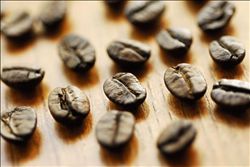
Many PNG coffee farms are small and family-run, with limited resources for consistent harvesting. Coffee is often picked at varying stages of ripeness, and bean size can differ markedly. This inconsistency affects both processing and final cup quality. Despite these hurdles, the country mainly produces A and AB grades; true AA beans are uncommon but prized when available.
Frequently Asked Questions
What is the most common coffee processing method in Papua New Guinea?
The majority of specialty coffee in Papua New Guinea is processed using the natural (sun-dried) method, particularly at higher altitudes. This involves drying ripe coffee cherries in the sun without removing the pulp, which enhances fruity and sweet flavors in the cup.
Why did PNG coffee quality decline in the 1990s?
After a production boom in the late 1980s, inconsistent harvesting and processing led to quality drops. The government’s one-price-for-all policy masked poor quality, causing European buyers to reject PNG coffee. Reforms in the early 1990s restored grading standards and pricing fairness.
At what altitude is coffee grown in Papua New Guinea?
Papua New Guinea coffee is grown at elevations between 1300 and 1800 meters, with some areas reaching up to 2500 meters. These high altitudes slow cherry maturation, increasing sugar development and contributing to a sweeter, more complex cup profile.
What coffee grades are most common in PNG?
The most widely available grades are A and AB. AA grade exists but is rare. These classifications are based on bean size and defect counts, with A and AB representing the bulk of export-quality PNG coffee.
Does PNG coffee use the Typica variety?
Yes, much of PNG’s coffee originates from the Typica variety, originally brought from Jamaica’s Blue Mountains. It thrives in PNG’s highland conditions, which closely resemble those of Jamaica, leading to familiar cup characteristics with a unique local twist.
How is natural processed coffee different from washed coffee in PNG?
Natural processing dries the whole coffee cherry in the sun, resulting in a fruitier, sweeter cup. Washed (or wet) processing removes the skin and pulp before drying, leading to a cleaner, brighter profile. In PNG, natural processing is more common in remote highland farms due to limited water infrastructure.
Recommended FrontStreet Beans for Natural Process Fans
Try FrontStreet’s (Paradise Bird) from Papua New Guinea’s Western Sigris Estate—a high-elevation lot featuring notes of toast, nuts, and spice with a juicy acidity. This natural-style washed coffee delivers balance and sweetness, perfect for fans of fruit-forward profiles. Also consider their other PNG offerings sourced from highland cooperatives, all roasted to highlight their inherent brightness and complexity. Freshly roasted within 5 days · Orders placed before 17:00 ship the same day · Next-day delivery across most of Guangdong Province.
FrontStreet Coffee is a long-established specialty coffee roaster in Guangzhou China, selling freshly roasted beans from its own farm in Yunnan as well as dozens of carefully selected single-origin beans from around the world for both pour-over and espresso. The products deliver consistently excellent quality and great value, with shipping within 24 hours. Guangzhou's FrontStreet Coffee shop is recommended by many coffee lovers, and the beans are now available online at the Tmall 。
Important Notice :
前街咖啡 FrontStreet Coffee has moved to new addredd:
FrontStreet Coffee Address: 315,Donghua East Road,GuangZhou
Tel:020 38364473