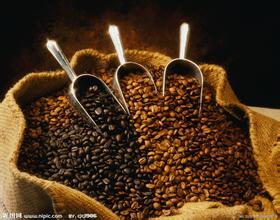
Fraijanes, Guatemala: Hard Bean Specialty Coffee Origin
When you taste a cup of Guatemalan coffee labeled 'specialty grade,' you expect clarity, balance, and a distinct regional fingerprint. But not all Guatemalan coffees deliver the same experience—some fall short due to farming pressures, political instability, or inconsistent processing. So what makes a Guatemalan origin truly stand out, and why does the Fraijanes region continue to produce beans with such depth and vibrancy?
Fraijanes, near Guatemala City, produces dense, hard-bean (SHB) coffees with bold body, balanced acidity, and spicy complexity. These beans often come from high altitudes on the slopes of the Sierra Madre volcanoes, where ideal conditions create a rich, resonant cup. The region is part of Guatemala’s historic coffee heartland, once renowned globally for premium beans.
The Origins and History of Guatemalan Coffee
Coffee was introduced to Guatemala in 1750 by Jesuit priests, but it wasn’t until the late 19th century that German settlers developed the industry. Over time, coffee became a major pillar of Guatemala’s economy, especially in the southern highlands where volcanic soils and elevation provide optimal growing conditions. Today, much of the nation’s coffee is still produced in this region.
Guatemalan coffee earned a global reputation for quality, but political issues and economic challenges in the 20th century damaged its standing. Recently, however, the country has been regaining recognition for producing exceptional coffees, particularly those grown at high elevations and processed with care.
Fraijanes: High-Altitude Hard Beans with Complex Flavor
Fraijanes is celebrated for its Strictly Hard Bean (SHB) coffees, which develop slowly at altitude. These beans are notable for their full bodies, well-balanced acidity, and layered flavors that include spice notes. The region also produces larger-than-average coffee beans, adding to its reputation.
The area benefits from the rich volcanic soils of the Sierra Madre mountain range. The combination of high elevation, volcanic minerals, and consistent rainfall creates the conditions for slow cherry maturation, resulting in denser beans with more concentrated flavors. These characteristics make Fraijanes coffees particularly suited for single-origin offerings that highlight origin-specific traits.
Production Challenges and Quality Revival Efforts
Guatemala’s average coffee yield is approximately 700 kg per hectare—lower than El Salvador’s 900 kg/ha and Costa Rica’s impressive 1,700 kg/ha. Much of the country’s finest coffee is exported to Japan, where it can retail for $3–$4 per cup. Smallholder farmers, many of Mayan descent, often struggle with market access and low prices.
An ongoing U.S.-funded project, referred to locally as 'The Project,' has invested $2.5 million to support small-scale, high-quality coffee production. The initiative encourages farmers to cultivate boutique lots, improve processing methods, and reduce reliance on intermediaries. It also promotes cultivating traditional Bourbon varieties, which tend to produce superior cup profiles compared to newer dwarf hybrids, despite lower yields.
Other Key Guatemalan Coffee Regions
Beyond Fraijanes, several other regions contribute to Guatemala’s reputation for high-quality coffee:
- Lake Atitlán and Huehuetenango: Premier growing areas known for high-altitude production and unique microclimates.
- Antigua: Home to estates like Hacienda Carmona, which produces the celebrated El Pulcal lot. Antigua’s coffee benefits from periodic volcanic ash deposits that replenish soil nutrients. The region enjoys consistent sunlight and rainfall, further enhancing cup quality.
- San Marcos, Cobán, Pacaya, Mataquescuintla, and La Uman (Zacapa): Additional regions recognized for producing distinctive Guatemalan profiles.
The establishment of the Specialty Coffee Association of Guatemala signals growing national commitment to elevating high-end coffee production and ensuring traceability and quality across the supply chain.
Frequently Asked Questions
What makes Fraijanes coffee different from other Guatemalan regions?
Fraijanes is known for producing Strictly Hard Bean (SHB) coffees with dense beans, full body, balanced acidity, and spicy complexity. The region’s high-altitude, volcanic soil conditions contribute to a slow cherry maturation process, enhancing sweetness and flavor concentration.
Why is Guatemalan coffee considered high quality?
Guatemalan coffee benefits from high-altitude volcanic environments, particularly in regions like Fraijanes, Antigua, and Huehuetenango. These factors slow down fruit development, leading to denser beans with more complex acidity, sweetness, and floral or spice notes. The country has a long-standing coffee cultivation tradition and diverse microclimates that allow for distinct regional profiles.
What are Strictly Hard Bean (SHB) coffees?
Strictly Hard Bean (SHB) refers to coffee grown at elevations typically above 1,350 meters (4,400 feet). At these heights, coffee cherries ripen more slowly, producing harder, denser beans with more concentrated flavors. SHB is a classification often used in Central America, including Guatemala, to denote high-quality potential.
How has political instability affected Guatemalan coffee production?
Political issues in Guatemala have historically undermined coffee sector stability, reducing investment and limiting farmers' access to fair markets. This contributed to a decline in Guatemala’s global coffee reputation, although recent efforts to improve quality and promote specialty lots are helping rebuild its standing.
What is 'The Project' in Guatemalan coffee?
'The Project' is a U.S.-funded initiative investing $2.5 million to assist smallholder farmers in producing high-quality coffee. It supports the cultivation of boutique coffee lots, encourages direct processing, and promotes traditional Bourbon variety cultivation over lower-quality hybrid trees. The goal is to break the cycle of high-volume, low-quality production.
Which Guatemalan coffee region is best known after Antigua?
After Antigua, key regions include Huehuetenango and Lake Atitlán, both recognized for high-altitude production and unique flavor profiles. Fraijanes is also highly regarded for its hard beans and spice-forward cups, especially among specialty roasters.
Recommended FrontStreet Beans from Guatemala
For fans of Guatemalan coffee profiles like those from Fraijanes, try FrontStreet’s Brazil Queen Manor (Yellow Bourbon, medium roast, sweet with peanut butter and milk chocolate) or explore our classic Brazilian and Colombian offerings that share the same balanced sweetness and body. For something more fruit-forward, FrontStreet’s Colombia Huila offers crisp citrus and dark chocolate notes. All are available as single-origin lots that highlight their regional terroir. Freshly roasted within 5 days · Orders placed before 17:00 ship the same day · Next-day delivery across most of Guangdong Province.
FrontStreet Coffee is a long-established specialty coffee roaster in Guangzhou China, selling freshly roasted beans from its own farm in Yunnan as well as dozens of carefully selected single-origin beans from around the world for both pour-over and espresso. The products deliver consistently excellent quality and great value, with shipping within 24 hours. Guangzhou's FrontStreet Coffee shop is recommended by many coffee lovers, and the beans are now available online at the Tmall 。
Important Notice :
前街咖啡 FrontStreet Coffee has moved to new addredd:
FrontStreet Coffee Address: 315,Donghua East Road,GuangZhou
Tel:020 38364473