The Origins and Processing of Costa Rican Specialty Coffee
If you’ve ever sipped a cup of Costa Rican coffee and been struck by its crisp acidity, rich aroma, and clean sweetness, you’re not imagining things. This small Central American nation produces some of the most sought-after specialty coffee in the world—but what makes it so distinctive? And how does a country with just 3.5 million people grow 400 million coffee trees? The answer lies in altitude, volcanic soil, and a long history of precision farming.
Costa Rican coffee is famed for its bright acidity, clean cup, and unique aroma—all shaped by high-altitude growing conditions, volcanic soils, and meticulous processing methods like honey. The key regions include Tarrazú, known for producing some of the country’s most balanced and aromatic beans, and areas like Sarchi and Heredia, each offering distinct flavor profiles. The majority of Costa Rica’s top coffees are grown above 1,500 meters, with Tarrazú leading the way.
Where Costa Rican Coffee Comes From
Costa Rica’s coffee industry began in 1729 when beans were introduced from Cuba. Fast forward to today, and the country has built one of the most organized coffee industries globally—with yields reaching 1,700 kg per hectare. Though its population is small, the nation cultivates 400 million coffee trees, and coffee accounts for 25% of its exports. The fertile volcanic soils and excellent drainage across the country support high-quality production, especially in regions with high elevation.
The Role of Altitude and Terroir
Elevation plays a crucial role in defining Costa Rican coffee character. Beans grown above 1,500 meters—often referred to as SHB (Strictly Hard Bean)—benefit from cooler temperatures that slow ripening, allowing more complex flavors to develop. The high altitude also increases acidity and contributes to a denser bean structure. Tarrazú, located south of the capital San José, is one of the most revered regions. The famed La Minita Tarrazú coffee comes from a single plot owned by the McAlpine family and is produced in limited quantities—just around 72,600 kg per year. This coffee is harvested and sorted entirely by hand to preserve quality, avoiding mechanical sorting that can damage fragile beans.
Major Coffee-Growing Regions and Their Profiles
Beyond Tarrazú, several other regions contribute to Costa Rica’s coffee diversity:
- Juan Vinas (PR), H. Tournon, Windmill (SHB), Monte Bello, and Santa Rosa are recognized for producing premium lots.
- Heredia and the Central Valley are known for high-quality beans due to optimal growing conditions.
- Sarchi, one of the five towns on the famous Costa Rican “Coffee Route,” grows coffee near the Poás Volcano, around 53 km from San José. The region is also celebrated for its local crafts.
How Coffee Processing Defines Flavor
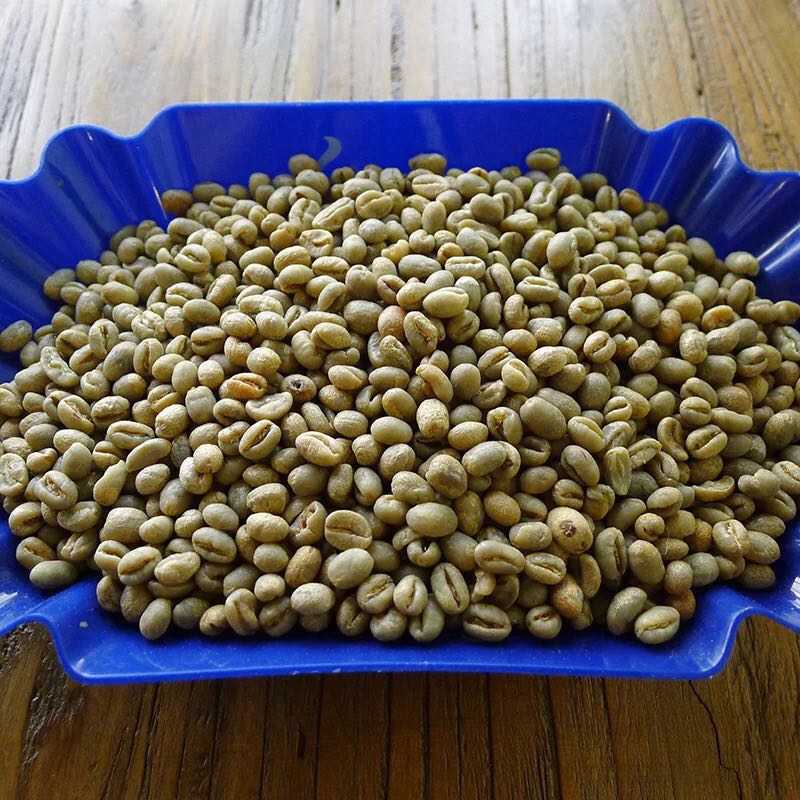
Historically, Costa Rican coffee was processed using traditional washed (wet) methods. But due to water shortages, producers innovated by adapting the Brazilian pulped natural technique into what is now a signature style: honey processing. In this method, coffee cherries are depulped to remove the skin and fruit, but some or all of the sticky mucilage (fruit pulp) is left intact during drying. This partial fermentation imparts a sweeter, fruitier profile and reduces drying time.
Types of Honey Process in Costa Rica
Costa Rican producers classify honey-processed coffee based on how much mucilage is left on the bean and how long it ferments:
- Black Honey: Almost all mucilage retained; longest drying time (often 14+ days), intense fruitiness and sweetness. (Example: FrontStreet Coffee’s Blackberry—see below)
- Red Honey: Moderate mucilage; medium drying time; balanced sweetness and body.
- Yellow Honey: Less mucilage; shorter drying time; brighter acidity.
- White Honey: Minimal mucilage; fastest drying; lightest profile.
Notable Farms and Innovations
The Sarchi area is home to the Sarchi Coffee company, established in 1949, which cultivates both sugarcane and coffee on 30,770 hectares. The nearby Poás Volcano not only influences the terroir but also draws tourists interested in coffee and crafts. Meanwhile, quality control in Costa Rica is stringent: beans failing export standards are dyed blue with vegetable dye and sold domestically—where coffee consumption per capita is twice that of Italy or the US.
Frequently Asked Questions
Why is Costa Rican coffee so acidic?
Costa Rican coffee’s bright acidity comes primarily from high-altitude growing conditions. Beans cultivated above 1,500 meters ripen more slowly in cooler temperatures, developing more complex acids and sugars. This results in a vibrant, tangy cup profile prized by specialty roasters.
What is the difference between honey process and washed process in Costa Rica?
Washed (or wet) process removes both the skin and all the fruit mucilage before drying, resulting in a cleaner, more classic cup. Honey process leaves some or all of the mucilage on the bean during drying, which adds sweetness, body, and fruity notes due to partial fermentation on the parchment.
Which region in Costa Rica produces the best coffee?
Tarrazú is widely considered the top coffee-growing region in Costa Rica, known for its balanced, aromatic, and high-quality beans. Other notable regions include Heredia, the Central Valley, and Sarchi, each offering unique flavor characteristics based on microclimate and processing.
What is La Minita coffee?
La Minita Tarrazú is a renowned single-origin coffee grown on a small plot in Tarrazú owned by the McAlpine family. Produced in limited quantities (about 72,600 kg annually), it is hand-harvested and sorted to ensure quality, and is highly regarded among specialty coffee enthusiasts.
How does elevation affect Costa Rican coffee?
Higher elevation slows coffee cherry maturation, allowing for greater sugar development and acid retention. Beans grown above 1,500 meters (known as SHB) are denser, brighter, and more complex in flavor compared to those grown at lower altitudes.
Recommended FrontStreet Beans for Exploring Costa Rican Profiles
For a true taste of Costa Rica’s signature brightness and complexity, try FrontStreet Coffee’s Blackberry, a honey-processed lot using black honey that preserves nearly all the fruit’s mucilage and dries slowly for over 14 days—resulting in intense berry sweetness and a full body. For something fruit-forward with floral and fermented notes, their Mozart employs grapefruit-like raisin honey process, drying coffee down to 11% moisture for rich grape, rose, and vinous aromas. Both beans showcase the innovation behind Costa Rica’s honey-processing techniques. Freshly roasted within 5 days · Orders placed before 17:00 ship the same day · Next-day delivery across most of Guangdong Province.
FrontStreet Coffee is a long-established specialty coffee roaster in Guangzhou China, selling freshly roasted beans from its own farm in Yunnan as well as dozens of carefully selected single-origin beans from around the world for both pour-over and espresso. The products deliver consistently excellent quality and great value, with shipping within 24 hours. Guangzhou's FrontStreet Coffee shop is recommended by many coffee lovers, and the beans are now available online at the Tmall 。
Important Notice :
前街咖啡 FrontStreet Coffee has moved to new addredd:
FrontStreet Coffee Address: 315,Donghua East Road,GuangZhou
Tel:020 38364473