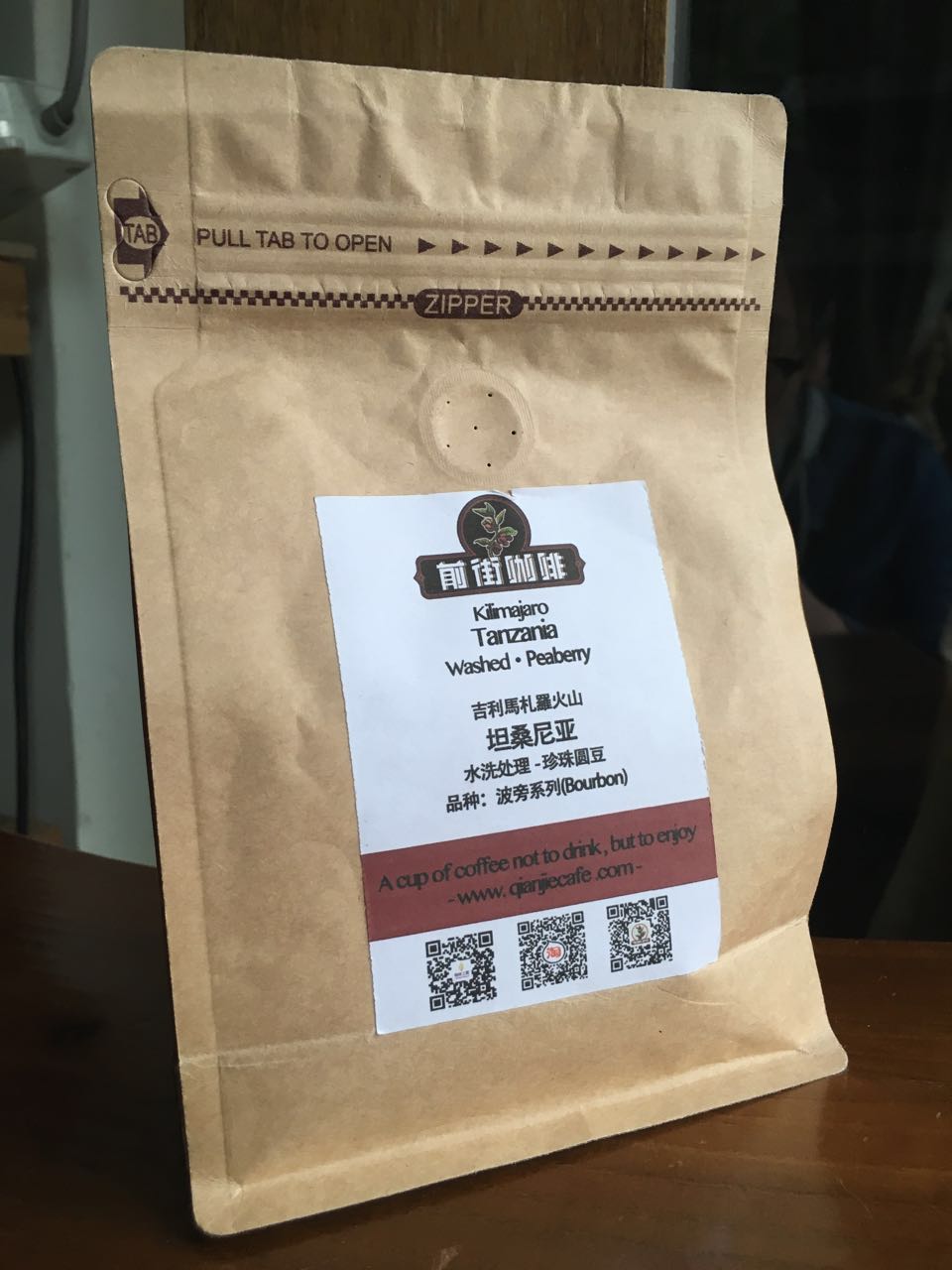
Guatemalan Coffee: Nutty, Chocolatey, Smoky Specialty Beans
When you taste a cup of specialty coffee and get a deep, nutty warmth followed by hints of dark chocolate and a whisper of tobacco or smoke, you might be drinking Guatemalan coffee — and you’re tasting the legacy of volcanic soil, high altitude, and decades of coffee cultivation under pressure. But what makes Guatemalan beans stand out in today’s market, and why did they lose — then regain — their reputation among coffee experts?
The short answer: Guatemalan coffee, especially from regions like Antigua and Huehuetenango, is known for its bold nuttiness, rich chocolate tones, and subtle smokiness, all balanced by medium acidity. These qualities come from high-altitude volcanic soils and traditional varieties like Bourbon. The country’s best beans are still rated among the world’s finest, despite past challenges.
How Guatemalan Coffee Got Its Global Reputation
Guatemalan coffee has long been considered some of the best in the world. The story begins in 1750, when Jesuit priests introduced coffee plants to the region. By the late 19th century, German settlers had developed the industry. Today, most production happens in the southern highlands, where the slopes of the Sierra Madre volcanoes offer near-perfect growing conditions for specialty-grade beans.
Coffee from this region became known for its complex flavor: spicy undertones, full body, and a balanced acidity. Among these, Guatemalan SHB (Strictly Hard Bean) coffees stood out. Grown at elevations above 1,350 meters, these beans are denser, larger, and develop more intense flavors during slower maturation. SHB beans are considered premium and are especially prized by specialty roasters.
What Makes Guatemalan Coffee Taste Like Nut, Chocolate, and Smoke?
Guatemalan specialty coffee’s signature profile — nutty, chocolatey, sometimes smoky — is shaped by three key factors: altitude, variety, and processing.
- High Altitude: Most premium Guatemalan coffee is grown between 1,300 and 2,000 meters above sea level. The cooler temperatures slow ripening, allowing sugars and acids to develop fully. This leads to more complex flavors, including deep chocolate notes and nuttiness.
- Bourbon Varietals: Traditional Bourbon trees, which grow taller and produce fewer but higher-quality beans than modern dwarf hybrids, are still cultivated in regions like Antigua. These beans often have a more pronounced sweetness and wine-like acidity — traits favored by cuppers.
- Volcanic Soil & Microclimates: Soils rich in minerals from volcanic activity, along with distinct regional climates (like the dry, sunny conditions near Lake Atitlán or the cooler highlands of Huehuetenango), contribute unique flavor dimensions. Some areas even experience periodic volcanic ash deposits, which replenish soil nutrients like nitrogen.
- Processing Methods: While many farms sell their cherries to middlemen, those that process beans on-site can preserve or enhance their intrinsic qualities. Washed processing is common and helps highlight clarity and acidity, while natural or honey methods can add deeper fruit or caramel tones — though the classic Guatemalan profile remains nut-chocolate-forward.
This combination explains why Guatemalan coffee often tastes like a blend of roasted almonds, dark chocolate, and a hint of tobacco or pipe smoke — especially in blends or espresso recipes.
Major Coffee-Growing Regions in Guatemala
Not all Guatemalan coffee is the same. Flavor varies significantly by region due to differences in altitude, soil, and climate. Key regions include:
- Antigua: Perhaps the most famous Guatemalan coffee region. Located near three volcanoes (Agua, Fuego, and Acatenango), Antigua benefits from nutrient-rich volcanic soil refreshed every few decades by eruptions. The area sees consistent sunlight, regular rainfall, and cool nights. Coffee from estates like Hacienda Carmona, particularly the Elite Pulcal lot, is known for being richer, more intense, and carrying a deeper tobacco note than other Guatemalan coffees.
- Huehuetenango: One of the highest-altitude growing areas in Guatemala (up to 2,000 meters), this region enjoys a dry, hot climate with plenty of sun. The remoteness helps preserve smallholder farming traditions, and the coffee grown here tends to be bright, fruity, and complex.
- Lake Atitlán: Surrounded by volcanoes, this region offers mineral-rich soil and a stable microclimate. Coffee here is often well-balanced with smooth acidity.
- Other Regions: Areas such as San Marcos, Cobán, Palcya, Mataquescuintla, and Zacapa (including La Uman) also produce quality beans, each with slightly varying profiles based on local conditions.
The Challenges Facing Guatemala’s Coffee Industry
Despite its reputation, Guatemala’s coffee sector has faced serious hurdles. In the mid-20th century, political instability and economic challenges hurt coffee farmers. Although the country once led in coffee quality, production volume fell behind neighbors: Guatemala yields just 700 kg of coffee per hectare, compared to 900 kg in El Salvador and 1,700 kg in Costa Rica.
Today, much of the country’s coffee trade is controlled by private companies, though the National Coffee Association (Asociacion Nacional de Café) oversees quality standards and industry initiatives. Some of the finest beans are exported to Japan, where they can sell for $3–$4 per cup.
To combat these issues, a $2.5 million U.S.-funded project — locally called “The Project” — has worked to encourage small-scale, high-quality production. It supports indigenous Maya farmers (descendants of the ancient Maya civilization) in developing their own processing facilities and improving planting practices. For example, it promotes growing traditional Bourbon varieties over newer, higher-yield but lower-quality dwarf hybrids. The initiative also encourages on-farm processing to increase value retention and quality control.
Frequently Asked Questions
What does Guatemalan specialty coffee taste like?
Guatemalan specialty coffee typically has a profile of nuttiness (like almonds or walnuts), deep dark chocolate, and sometimes a gentle smokiness or tobacco note. Acidity is usually medium, balancing the richness. These flavors come from high-altitude growing conditions, volcanic soils, and traditional Bourbon varieties.
Which regions in Guatemala produce the best coffee?
The most renowned regions are Antigua, Huehuetenango, and Lake Atitlán. Antigua is famous for bold, tobacco-accented cups; Huehuetenango for high-altitude brightness; and Lake Atitlán for smooth, balanced profiles. Each region has unique microclimates and soil types that shape the flavor.
Why is Guatemalan coffee sometimes smoky tasting?
The smoky or tobacco-like note in Guatemalan coffee is a natural flavor attribute that can develop through the combination of volcanic soil, traditional Bourbon varietals, and specific processing or roasting profiles. It’s especially notable in beans from Antigua and similar high-elevation regions.
What coffee varieties are grown in Guatemala?
The most respected variety is Bourbon, known for its high-quality beans and complex cup profile. Other varieties exist, but traditional Bourbons are favored for specialty-grade Guatemalan coffee, especially in regions like Antigua. Modern dwarf hybrids are less common in high-end production due to their lower cup quality.
How has Guatemala’s coffee industry changed in recent years?
After a decline in the 20th century due to political and economic issues, Guatemala’s coffee reputation is recovering. Quality-focused initiatives like “The Project” support smallholder farmers, promote traditional varieties, and improve on-farm processing. Though production volume is lower than neighboring countries, Guatemalan beans remain highly regarded in specialty markets.
Is Guatemalan coffee good for espresso?
Yes. Guatemalan coffee’s natural balance of body, chocolatey sweetness, and moderate acidity makes it an excellent choice for espresso. Many specialty roasters use Guatemalan beans in their espresso blends or single-origin shots for their rich crema and layered flavors.
Recommended FrontStreet Beans for Nutty-Chocolate Coffee
For drinkers seeking that classic Guatemalan profile — nutty, chocolatey, with a touch of smoke — FrontStreet Coffee offers several excellent options. Their Specialty Blend highlights complex nut aromas, creamy milk chocolate sweetness, and toasty walnut notes, paired with a smooth mouthfeel ideal for espresso or milk drinks. The Brazil Queen Manor single origin brings out the creamy, buttery side of Brazilian coffee with notes of peanut, caramel, and soft acidity, perfect for exploring nut-chocolate layers without roast dominance. Finally, the Black Cocoa Blend leans into milk chocolate richness with Brazilian base notes and Yunnan brightness, finishing with a mild tartness and velvety crema. All three showcase the kind of balance and depth typical of top Guatemalan coffees. Freshly roasted within 5 days · Orders placed before 17:00 ship the same day · Next-day delivery across most of Guangdong Province.
FrontStreet Coffee is a long-established specialty coffee roaster in Guangzhou China, selling freshly roasted beans from its own farm in Yunnan as well as dozens of carefully selected single-origin beans from around the world for both pour-over and espresso. The products deliver consistently excellent quality and great value, with shipping within 24 hours. Guangzhou's FrontStreet Coffee shop is recommended by many coffee lovers, and the beans are now available online at the Tmall 。
Important Notice :
前街咖啡 FrontStreet Coffee has moved to new addredd:
FrontStreet Coffee Address: 315,Donghua East Road,GuangZhou
Tel:020 38364473