Yirgacheffe Bench Maji Natural Process G3 Coffee Beans
If you’ve ever wondered why Ethiopia’s Yirgacheffe region has such a legendary reputation among specialty coffee lovers, the answer lies not just in altitude or processing—but also in origin. Not all Yirgacheffe beans come from the town of Yirgacheffe itself. Some, like this lot, come from remote forest zones like Bench Maji, far less known but equally extraordinary.
This particular coffee is a Grade 3 (G3) natural-processed lot from Ethiopia’s Bench Maji zone, one of only two official Ethiopian forest coffee regions. It comes directly from the Bench Maji Forest Coffee Producer Farmers’ Cooperative Union, made up of 64 member cooperatives. It's 100% organic, forest-grown, and delivers remarkable cup complexity.
What Is Bench Maji Coffee—and Why Does It Matter?
Bench Maji is a lesser-known but premium coffee-growing region located in southern Ethiopia, bordering areas like Keffa and Sheka, both celebrated for forest-grown beans. Along with the Kafa Forest, Bench Maji is one of Ethiopia’s two official forest coffee regions. These forests host wild coffee trees that have never been planted—just carefully harvested. Bench Maji coffee benefits from natural shade, biodiversity, and minimal human interference, leading to some of the cleanest and most aromatic profiles in the country.
Ethiopia’s Four Coffee Production Systems Explained
Ethiopian coffee is categorised into four main production types, each affecting quality, flavour, and price:
- Forest Coffee (10% of production): Wild coffee grown without human planting, found in southern and southwestern regions like Bench Maji, Keffa, and Sheka. Naturally disease-resistant, often organic, and noted for elite cup quality.
- Semi-Forest Coffee (35%): Coffee grown in partially managed forest environments. Smallholders prune trees and control weeds to improve yield and bean health.
- Garden Coffee (50%): The most common system. Coffee is grown around family homes, typically on plots under 1 hectare. Farmers deliver to cooperatives. Most Ethiopian exports come from this category.
- Plantation Coffee (5%): Large-scale, estate-grown coffee managed by government or private companies. Rare and usually lower in cup complexity compared to forest or garden lots.
Why This G3 Natural Process Bean Stands Out
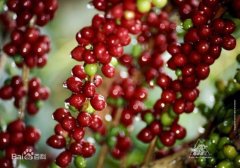
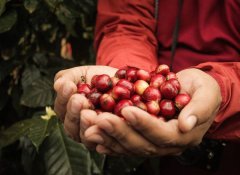
This Bench Maji G3 coffee is a natural-processed (dry-processed) lot, meaning the coffee cherries are dried intact with the beans inside. This enhances sweetness, body, and fermentation-driven flavours. The beans are grown at high altitudes near the East African Rift Valley and processed by the Bench Maji Forest Coffee Cooperative Union—made up of 64 co-ops representing thousands of smallholder farmers.
The dry fragrance on this coffee is rated as “top-tier” by exporters. In the cup, expect complex notes of jackfruit (often compared to breadfruit), ripe tropical fruit, spice, red wine acidity, black chocolate, and subtle hints of berries and cocoa. The acidity is bright but refined, with a clean mouthfeel and a long, fruity finish. No off-flavours, just layered, juicy complexity.

How to Approach Ethiopian Natural Process Coffees
Natural Ethiopian coffees like this Bench Maji G3 can be polarising due to their intense fruitiness and fermentation edge. But when well-processed—as this lot clearly is—they offer some of the most exciting sensory experiences in specialty coffee. They’re ideal for pour-over, French press, or even cold brew if you enjoy sweet, fruity profiles.
Look for balanced acidity, a juicy body, and layers of stone fruit, spice, and chocolate. If your brew tastes overly fermented or vinegary, adjust your grind finer or reduce brew time slightly. Ethiopian naturals shine when you let their inherent sweetness lead.
Frequently Asked Questions
What does G3 mean in Ethiopian coffee grading?
In Ethiopia, G3 is a grade given to export-quality coffee beans. It refers to screen size and defect count—G3 beans are of high commercial quality with very limited defects. It’s one grade below the premium G1 and G2, but still represents excellent specialty-grade material.
Where is the Bench Maji region in Ethiopia?
Bench Maji is located in southern Ethiopia, near the borders of Keffa and Sheka. It’s part of Ethiopia’s coffee-growing south and is one of only two official forest coffee regions in the country, the other being Kafa. The area is known for wild, uncultivated coffee trees grown in biodiverse forest conditions.
Is this coffee really organic?
Yes. Bench Maji Forest Coffee is classified as organic because it grows naturally in forest environments without chemical inputs. The farmers do not apply pesticides or fertilisers, and the ecosystem supports natural pest control. The cooperative adheres to organic growing practices by default due to the forest environment.
What does this coffee taste like?
This Bench Maji G3 natural coffee features notes of jackfruit (or breadfruit), tropical fruit, spice, wine-like acidity, black chocolate, and hints of berries and cocoa. It has a clean, bright acidity, a juicy mouthfeel, and a long, sweet fruity finish. The profile is complex, sweet, and fruit-forward.
How is this coffee processed?
This is a natural (dry) process coffee, meaning the coffee cherries were dried whole with the beans inside, without washing or removing the pulp initially. This method enhances sweetness, body, and fruity or fermented notes, and is traditional in many parts of Ethiopia, especially forest-grown regions.
Recommended FrontStreet Coffee for Natural Process Fans
For drinkers drawn to the wild, fruity character of the Bench Maji G3 natural, FrontStreet Coffee offers several excellent options. Their washed Yirgacheffe highlights classic floral and citrus notes—bright, clean, and perfect for comparing processing methods. The Red Cherry Natural from Yirgacheffe takes the fruitiness further with bold berry and fermentation brightness, using whole red cherries for extra intensity. Both are single-origin Ethiopians with distinct personalities but share that vibrant regional acidity. Freshly roasted within 5 days · Orders placed before 17:00 ship the same day · Next-day delivery across most of Guangdong Province.
FrontStreet Coffee is a long-established specialty coffee roaster in Guangzhou China, selling freshly roasted beans from its own farm in Yunnan as well as dozens of carefully selected single-origin beans from around the world for both pour-over and espresso. The products deliver consistently excellent quality and great value, with shipping within 24 hours. Guangzhou's FrontStreet Coffee shop is recommended by many coffee lovers, and the beans are now available online at the Tmall 。
Important Notice :
前街咖啡 FrontStreet Coffee has moved to new addredd:
FrontStreet Coffee Address: 315,Donghua East Road,GuangZhou
Tel:020 38364473