Sumatran Gayo Coffee Flavor Profile from Aceh
If you’ve ever sipped a cup of Sumatran coffee and wondered why it tastes so different—earthy, full-bodied, almost herbal—you’re not alone. Many coffee drinkers are curious about what gives Indonesian beans, especially those from Sumatra, their signature heavy mouthfeel and spice notes. The answer lies in both terroir and processing.
Sumatran Gayo coffee from Aceh, graded G1 with 19+ mesh, is known for its round, clean body, intense richness, and prominent spice and herbal notes. These characteristics come from high-altitude growing (1,100–1,300m), traditional wet hulling, and a mix of local varieties including Catimor, Caturra, Typica, and Sidikalang.
What Is Gayo Coffee and Where Is It From?
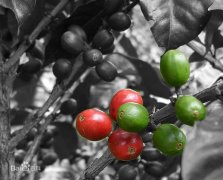
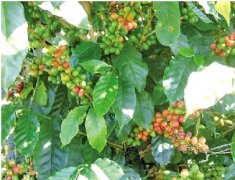
Gayo coffee comes from the Gayo Highlands in Aceh, a region in the northern part of Indonesia’s Sumatra Island. This area sits between 1,100 and 1,300 metres above sea level and is part of the larger island chain that defines Indonesia’s unique coffee geography. The high elevation and volcanic soil create ideal conditions for slow cherry maturation, contributing to the dense bean structure and complex cup profile typical of the region.
How Is It Processed? The Role of Wet Hulling
The defining process behind Gayo coffee’s body and aroma is the traditional wet hulling method, locally called Giling Basah. In this method, coffee parchment is removed while the beans are still at a higher moisture content than in fully washed processes. This technique leads to the characteristic heavy body, low acidity, and earthy-spicy notes that define many Sumatran coffees. The process also contributes to the bean’s often irregular shape and deep green colour pre-roast.
What Varieties Grow in the Gayo Highlands?
The Gayo region cultivates a mix of coffee varieties, including Catimor (often referred to locally as “”), Caturra (“Caturra”), Typica (“”), and Sidikalang (“Sidikalong”). These varieties contribute to the cup’s complexity. While Catimor brings body and disease resistance, Typica and Caturra add brightness and fruity undertones. Sidikalang is a local adaptation that further shapes the regional cup profile. Most beans are grown by smallholder farmers across the Gayo mountain area.
Why Is It Called Mandheling?
Though this coffee is from Gayo, it may still be referred to as “Mandheling” on the market. Mandheling is not a variety or region but a historical trade name originating from the Mandailing people of North Sumatra’s Tapanuli region. The name stuck when Japanese traders misheard “Mandailing” as “Mandheling” after World War II. Today, the term broadly refers to high-quality Indonesian coffee processed with the wet hulling method, regardless of exact origin.
Flavor Profile: What Makes Gayo Stand Out?
This particular Gayo coffee (SC19+, G1, 19+ mesh) is celebrated for its smooth, clean mouthfeel, outstanding body, and pronounced spice and herbal notes. Unlike brighter African coffees, Gayo offers a more subdued acidity and a syrupy texture. Common tasting notes include spices, herbs, dark chocolate, and sometimes a subtle woody or earthy undertone. It’s a classic example of the low-acid, high-body style that made Indonesian coffees famous among dark roast and espresso drinkers.
Frequently Asked Questions

What is special about Sumatran Gayo coffee?
Gayo coffee is grown in the high-altitude Gayo Highlands of Aceh, Sumatra, at 1,100–1,300m. It is known for its full body, low acidity, and spicy-herbal flavours. The coffee is processed using traditional wet hulling, which contributes to its unique mouthfeel and aroma.
What processing method is used for Gayo coffee?
Gayo coffee is processed using the traditional wet hulling method (Giling Basah). This involves removing the parchment layer while the beans are still moist, which creates the coffee’s signature heavy body, earthy tones, and low acidity.
What coffee varieties are grown in the Gayo region?
The Gayo Highlands grow a mix of varieties including Catimor, Caturra, Typica, and Sidikalang. These contribute to the region’s complex cup profiles, balancing body, acidity, and spice notes.
Is Mandheling coffee the same as Gayo coffee?
Mandheling is a historical trade name, not a region or variety. It originally referred to coffee from Tapanuli but now generally describes high-quality Indonesian beans processed with wet hulling. Many Gayo coffees are sold as Mandheling due to this broader usage.
What does SC19+ and 19+ mesh mean for coffee beans?
SC19+ indicates a grade given to high-quality Indonesian beans, while 19+ mesh refers to the sieve size, meaning at least 19 out of 20 beans pass through a standard 19-size screen. This ensures uniformity and higher bean quality.
What does this Gayo coffee taste like?
This Gayo coffee is described as having a smooth, clean body with excellent richness. Flavour notes include spices, herbs, and a general earthy character—typical of Sumatran profiles with low acidity and a heavy mouthfeel.
Recommended FrontStreet Beans for Sumatran Profiles
For drinkers exploring the rich, spicy style of Sumatran coffee, FrontStreet Coffee’s Lintong Mandheling is a great entry point. It offers classic Sumatran traits: spice, black chocolate, and caramel, with a sweet finish. Another option is the PWN Golden Mandheling, known for its refined selection process—resulting in notes of toast, pine, caramel, and cocoa, with a thick, lingering sweetness. Both showcase the low-acid, full-bodied profile typical of Indonesian wet-hulled coffees. Freshly roasted within 5 days · Orders placed before 17:00 ship the same day · Next-day delivery across most of Guangdong Province.
FrontStreet Coffee is a long-established specialty coffee roaster in Guangzhou China, selling freshly roasted beans from its own farm in Yunnan as well as dozens of carefully selected single-origin beans from around the world for both pour-over and espresso. The products deliver consistently excellent quality and great value, with shipping within 24 hours. Guangzhou's FrontStreet Coffee shop is recommended by many coffee lovers, and the beans are now available online at the Tmall 。
Important Notice :
前街咖啡 FrontStreet Coffee has moved to new addredd:
FrontStreet Coffee Address: 315,Donghua East Road,GuangZhou
Tel:020 38364473