Ethiopian Coffee Regions: Yirgacheffe & Sidamo Washed & Natural
If you’ve ever wondered where the world’s most distinctive specialty coffees come from, Ethiopia is the answer. This East African nation isn’t just one of the oldest coffee origins—it’s where arabica coffee cultivation began, with legends tracing its discovery to the Kaffa region. But beyond myth, Ethiopia remains a powerhouse of unique, high-elevation coffee flavors, particularly from its renowned Yirgacheffe and Sidamo regions.
Ethiopia grows some of the best arabica coffee globally, with key production in highland areas between 1,100 and 2,300 meters. The country exports both washed and natural processed beans, with Yirgacheffe and Sidamo leading in distinct cup profiles shaped by elevation, climate, and processing.
Ethiopia’s Coffee Growing Regions and Altitudes
Coffee thrives in Ethiopia’s southern highlands, where the terrain ranges from 1,100 to 2,300 meters above sea level. Major producing areas include Harar, Limu, Djimma, Sidamo, Kaffa, Yirgacheffe, and Wellega. These regions share well-drained, slightly acidic, red, and loose soils that favor high-quality arabica growth. Among them, Yirgacheffe (around 2,000 meters) and Sidamo (1,400–2,200 meters) stand out for their exceptional cup characteristics.
Coffee Production Cycle and Farming Methods
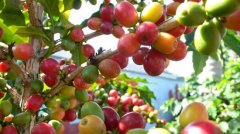
Ethiopia’s coffee harvest occurs once a year. White coffee flowers bloom between March and April, followed by fruit development. By September to December, red coffee cherries ripen for harvest, with new-season exports starting in November and December. Most coffee is grown by smallholders using traditional methods: manual tree care, organic fertilizers, and no synthetic pesticides or herbicides, resulting in mostly organic coffee.
Farming systems are divided into three types: 60% forest or semi-forest coffee (grown wild with no pesticides, relying on biological pest control), 35% garden coffee (intercropped under shade from other food plants, fertilized with leaf litter, straw, and animal manure), and 5% plantation coffee (modern, planted in rows with shade trees and newer varieties).
Processing Methods: Washed vs. Natural
Ethiopian coffee is processed either washed or natural. Washed coffee accounts for 35% of exports. It uses only fully ripe cherries, carefully handpicked and monitored. The beans are depulped the same day, then fermented, washed, dried, and hulled to reach 12% moisture. Natural (dry) process coffee makes up 65% of exports. Cherries are picked by hand and dried on cement floors or raised tables until they reach around 11.5% moisture, then hulled and cleaned.
Coffee Grading, Quality Control, and Export
Ethiopia’s coffee quality system operates at producer, regional, and national levels. All coffee is inspected locally before going to grading centers in Addis Ababa and Dire Dawa, where it’s classified by appearance and cup quality. Grading is critical before auction or sale. Export lots are also checked nationally for origin and color compliance to protect Ethiopia’s coffee reputation.
The system uses visual inspection and cup evaluation, assessing bean color, cleanliness, origin, taste, and characteristics. The export grade scale is simple: the best washed coffee is Grade 5, and the best natural is Grade 4. Grades are labeled with origin before export. Most sales use letters of credit to reduce risk for exporters and ensure quality assurance for importers. Legally, all coffee must be sold through twice-daily auctions in Addis Ababa and Dire Dawa during harvest season.

Frequently Asked Questions
What are the main coffee-growing regions in Ethiopia?
Ethiopia’s key coffee regions include Sidamo, Yirgacheffe, Harar, Limu, Djimma, Kaffa, Yergacheffe, and Wellega. These areas lie between 1,100 and 2,300 meters altitude and feature well-drained, slightly acidic, red soils ideal for high-quality arabica coffee.
How is Ethiopian coffee processed?
Ethiopian coffee is processed by either washed or natural (dry) methods. Washed coffee, making up 35% of exports, involves depulping, fermenting, washing, and drying ripe cherries to 12% moisture. Natural coffee, 65% of exports, is dried whole on surfaces until reaching about 11.5% moisture before hulling.
What are the differences between Yirgacheffe and Sidamo coffee?
Yirgacheffe (around 2,000m) produces bright, floral, and citrusy washed coffees. Sidamo (1,400–2,200m) offers more diverse cup profiles with fruity and wine-like notes, influenced by varied soils, microclimates, and native coffee varieties. Both are known for their high cup quality.
How is coffee quality controlled in Ethiopia?
Quality is managed at local, regional, and national levels. Coffee is inspected before and after grading in Addis Ababa and Dire Dawa. Export grades (1–5 for washed, 1–4 for natural) are based on appearance and cupping. The best washed is Grade 5, best natural is Grade 4. All coffee must pass through national auctions during harvest season.
When is Ethiopian coffee harvested and exported?
Coffee flowers bloom in March–April, cherries develop over summer, and are harvested from September to December. Export begins in November–December each year, following grading and auction processes.
Recommended FrontStreet Beans for Yirgacheffe & Sidamo
For classic Yirgacheffe character, try FrontStreet Gedeb: a bright washed coffee with white flower, lemon, and green tea notes—perfect for pour-over. For Sidamo, FrontStreet Huakui (Ethiopia Huakui) shows off fruity depth with berry, honey, and citrus tones when lightly roasted. Both beans highlight Ethiopia’s signature profiles. Freshly roasted within 5 days · Orders placed before 17:00 ship the same day · Next-day delivery across most of Guangdong Province.
FrontStreet Coffee is a long-established specialty coffee roaster in Guangzhou China, selling freshly roasted beans from its own farm in Yunnan as well as dozens of carefully selected single-origin beans from around the world for both pour-over and espresso. The products deliver consistently excellent quality and great value, with shipping within 24 hours. Guangzhou's FrontStreet Coffee shop is recommended by many coffee lovers, and the beans are now available online at the Tmall 。
Important Notice :
前街咖啡 FrontStreet Coffee has moved to new addredd:
FrontStreet Coffee Address: 315,Donghua East Road,GuangZhou
Tel:020 38364473