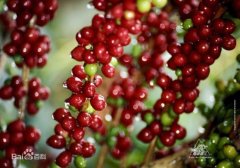
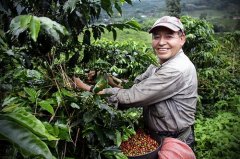
Guatemala Fraijanes Highlands Latisha Estate Coffee Beans
If you’ve ever sipped a Guatemalan coffee and wondered what gives it that bright yet smooth, wine-like acidity with hints of spice and stone fruit, the answer lies in where—and how—it’s grown. Guatemala’s distinct coffee regions each offer unique terroirs that shape flavor profiles. One lesser-known but highly regarded zone is the Fraijanes Highlands, home to farms like the Latisha Estate, where volcanic activity and elevation come together to produce some of the country’s most nuanced coffees.
The Fraijanes Highlands—part of Guatemala’s official coffee-growing map—produce coffee with a balanced profile: medium-bodied, with gentle acidity, floral and citrus tones, and a clean, sweet finish. The region’s volcanic soil, elevation, and climate are key to these qualities. For coffee enthusiasts seeking a single-origin cup with depth and finesse, Fraijanes-grown beans like those from the Latisha Estate are a compelling choice.
Why Guatemala’s Coffee Stands Apart
Coffee arrived in Guatemala in 1750, introduced by Jesuit priest Father Jesuit, but it wasn’t until German colonists expanded production in the late 19th century that it took off. Today, over 80% of Guatemala’s coffee is cultivated in the southern highlands. The country is divided into seven key coffee-growing regions: Antigua, Cobán, Atitlán, Huehuetenango, Fraijanes, Oriente, and San Marcos. Each region’s distinct microclimates yield beans with pronounced regional characters, but Guatemalan coffees as a whole are known for their well-rounded body, elegant aromatics, and vibrant, pleasant acidity—traits that have earned the country’s beans a “coffee aristocrat” reputation among specialty roasters.
The Unique Terroir of Fraijanes Highlands
The Fraijanes Highlands are defined by their volcanic soil, high altitude, and humid, rainy climate. The area is influenced by the nearby Pacaya Volcano, one of three still-active volcanoes in Guatemala and the most dynamic. Frequent eruptions coat the region in fine volcanic ash, enriching the soil with essential minerals. This mineral-rich environment, combined with consistent cloud cover and bursts of sunshine, creates optimal conditions for coffee cultivation. While mornings often bring fog, it typically burns off by midday, ensuring the coffee cherries receive ample sunlight during the crucial drying phases. These factors contribute to the unique flavor complexity found in Fraijanes-grown beans.

What Makes the Latisha Estate Special
The Latisha Estate is located within the Fraijanes Highlands, benefitting directly from the region’s ideal growing conditions. While specific processing details for Latisha beans may vary by harvest, the estate’s location ensures exposure to volcanic soil, high altitude (typically above 1,500 meters), and a climate marked by distinct wet and dry seasons. These elements work together to produce coffee cherries with concentrated sugars and complex acidity. The estate’s access to fertile, mineral-laden soils—replenished regularly by volcanic activity—helps develop beans with a smooth mouthfeel, bright citrus and floral notes, and a clean, sweet aftertaste. Though not as internationally famous as Antigua or Huehuetenango, Latisha-grown coffee offers a refined profile well-suited to pour-over and filter brewing methods.
How to Brew Fraijanes-Highlands Coffee
To get the most out of a single-origin coffee from the Fraijanes Highlands—such as those from the Latisha Estate—opt for a pour-over method like V60 or Kalita Wave. Use fresh, medium-fine grind (around 20 on a Baratza Encore or equivalent to a China-standard No.20 sieve), a water temperature of 92–94°C, and a brew ratio of 1:15 to 1:16. Begin with a 30-second bloom using a small amount of water (twice the coffee’s weight), then pour in stages over 2:30–3:00 minutes. This method highlights the coffee’s bright acidity, floral aromas, and clean finish. Avoid over-extraction, which can exaggerate bitterness and mask delicate fruit notes.
Frequently Asked Questions
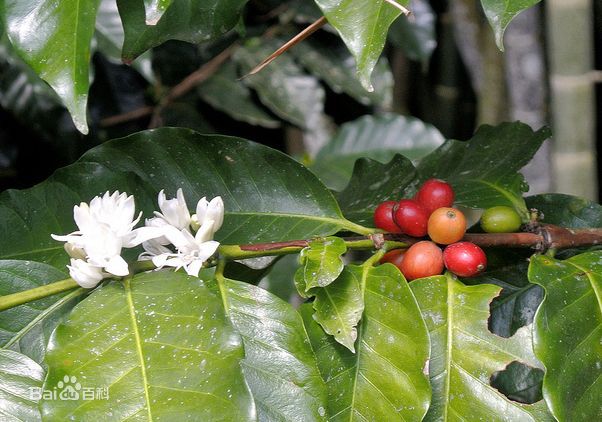
Where is the Fraijanes Highlands in Guatemala?
The Fraijanes Highlands is one of Guatemala’s seven officially recognized coffee-growing regions, located in the country’s central-south area. It lies close to the Pacaya Volcano, which contributes to the region’s volcanic soil and microclimate. The high elevation and volcanic environment make it ideal for cultivating specialty-grade Arabica coffee.
What makes Guatemalan coffee different from other countries?
Guatemalan coffee is celebrated for its well-balanced body, bright and pleasant acidity, and complex aromas. Each of the country’s seven coffee regions—including Fraijanes—has a distinct climate and terroir, which influence the flavor profile. Guatemalan coffees often exhibit notes of citrus, floral, spice, and stone fruit, with a clean, sweet finish. The consistent quality and regional diversity set them apart on the global specialty market.
Does volcanic soil really affect coffee flavor?
Yes. Volcanic soil is rich in minerals such as potassium, phosphorus, and nitrogen, which are essential for coffee plant nutrition. In regions like Fraijanes, volcanic ash from active volcanoes like Pacaya continually replenishes the soil. This mineral content enhances sweetness, acidity, and overall complexity in the coffee beans, contributing to a more vibrant and nuanced cup profile.
What flavor notes can I expect from Latisha Estate coffee?
While detailed tasting notes for Latisha Estate coffee aren’t specified in the source, coffee from the Fraijanes Highlands generally presents bright acidity, floral and citrus notes, and a clean, smooth finish. Expect a medium-bodied cup with delicate fruitiness and a sweet, lingering aftertaste—ideal for filter brewing methods.
Is the Pacaya Volcano still active?
Yes. Pacaya is one of three active volcanoes in Guatemala and the most consistently active. Its frequent eruptions release ash and minerals that enrich the surrounding soil in the Fraijanes Highlands, directly benefiting coffee plant health and contributing to the unique terroir of the region.
Recommended FrontStreet Coffee for Pour-Over
For fans of Guatemalan-style coffee, try FrontStreet’s BrazilBourbon (Red Bourbon from Xilado), which shares a similar medium body and sweet, nutty profile with soft acidity—great for V60 brewing. Alternatively, FrontStreet’s ColombiaSidra (Sidra from Frontera Estate) offers juicy sweetness and layered tropical fruit notes, perfect for those who enjoy brighter cups. Both beans are well-suited to pour-over methods and showcase the quality of single-origin specialty coffee. Freshly roasted within 5 days · Orders placed before 17:00 ship the same day · Next-day delivery across most of Guangdong Province.
FrontStreet Coffee is a long-established specialty coffee roaster in Guangzhou China, selling freshly roasted beans from its own farm in Yunnan as well as dozens of carefully selected single-origin beans from around the world for both pour-over and espresso. The products deliver consistently excellent quality and great value, with shipping within 24 hours. Guangzhou's FrontStreet Coffee shop is recommended by many coffee lovers, and the beans are now available online at the Tmall 。
Important Notice :
前街咖啡 FrontStreet Coffee has moved to new addredd:
FrontStreet Coffee Address: 315,Donghua East Road,GuangZhou
Tel:020 38364473