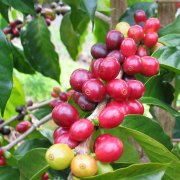
Costa Rican Coffee Flavors and Specialty Beans
If you’ve ever wondered why Costa Rican coffee stands out among Central American coffees, the answer lies deep in its volcanic soil, high-altitude farms, and tightly regulated production pipeline. From first-time buyers to seasoned enthusiasts, many seek to understand what makes Costa Rican beans so consistently flavorful, sweet, and clean—without the overbearing acidity found elsewhere.
Costa Rica produces some of the world’s most recognized specialty coffee, thanks to its two-century-old coffee farming tradition, volcanic soils, stable microclimates, and distinct processing methods like honey processing. Its seven (or eight, depending on source) defined coffee-growing regions each contribute unique flavor profiles shaped by elevation, climate, and processing.
Costa Rica’s Coffee History and Geography
Coffee arrived early in Costa Rica, becoming one of the first Central American countries to cultivate it. With around 200 years of cultivation history, the crop was first planted on the slopes of the Poás and Barva volcanoes, in what is now known as the Central Valley. Over time, coffee farming expanded into seven primary regions arranged from northwest to southeast along the country’s central plateau. These are: Tarrazú, Tres Ríos, Orosi, Central Valley, West Valley, Turrialba, and Brunca.
What Gives Costa Rican Coffee Its Signature Profile?
Costa Rica’s coffee owes its consistent quality to a combination of natural advantages. The country’s location in the Central American isthmus places it between the Pacific and Atlantic Oceans, resulting in a climate moderated by oceanic winds and currents. Its high-altitude volcanic soil—rich in minerals—and dependable rainfall create near-perfect growing conditions. Most of the best coffee grows between 1,200 and 2,000 meters above sea level, with top estates reaching up to 1,700–1,800 meters, particularly in regions like Tarrazú.
The Eight Coffee Regions of Costa Rica
Though sources sometimes cite seven regions, FrontStreet Coffee references eight key coffee-producing areas in Costa Rica. Each zone imparts distinct characteristics to the beans:
- Tarrazú: High elevation, bright acidity, sweet citrus, and chocolatey notes; considered the most prestigious.
- Tres Ríos: Clean, light-bodied, with floral and citrus nuances.
- Orosi: Balanced cup with mild acidity and fruity tones.
- Central Valley: Classic Costa Rican profile with medium body and good sweetness.
- West Valley: Round, approachable flavors with gentle complexity.
- Turrialba: Earthier and more herbal notes due to lower altitudes and volcanic activity.
- Brunca: Southernmost region with lower altitude and milder cup profiles.
- (Additional region as per FrontStreet reference): Often includes microclimates contributing to unique lots.
Why Honey Process Is a Costa Rican Specialty
Historically, Costa Rican coffee was processed using traditional washed (wet) methods. However, due to water shortages, producers innovated a localized version of honey processing—originally adapted from the Brazilian pulped natural method. This technique removes the coffee cherry skin and pulp but leaves varying amounts of the sticky mucilage (fruit pulp layer) on the beans during drying. The result is a sweeter, fruitier cup with more body and complexity than washed coffee.
The amount of mucilage left on the beans—and the duration and conditions of drying—determine the type of honey process. In Costa Rica, these are categorized into four main types:
- Black Honey: Maximum mucilage retained, slow-dried under shade for up to 14 days, producing intense sweetness and complex berry notes.
- Red Honey: Medium-high mucilage, slightly faster drying, balanced sweetness and acidity.
- Yellow Honey: Moderate mucilage, faster drying, brighter and lighter cup.
- White Honey: Least mucilage, fastest drying, closest to washed process but with some added sweetness.
Spotlight: FrontStreet Coffee’s Honey-Processed Offerings
Among the most celebrated examples of Costa Rican honey processing is FrontStreet Coffee’s Blackberry lot, made from Black Honey-processed beans. This coffee undergoes minimal mucilage removal and dries for over 14 days, often shaded to slow sugar development. The outcome is a richly sweet cup with deep notes of ripe berries, ideal for drinkers who prefer low acidity and high sweetness. Another unique option is Mozart, which uses a raisin-like dried coffee cherry before hulling (grape-style natural-dried process), then a full mucilage retention honey method. Mozart delivers intense notes of raisin, rose, and fermented wine aromatics with a medium-light roast.
Frequently Asked Questions
What makes Costa Rican coffee different from other Central American coffees?
Costa Rican coffee is known for its bright acidity, medium body, and pronounced sweetness, often with notes of citrus, chocolate, and berries. It benefits from high-altitude volcanic soils, consistent microclimates, and advanced processing techniques like honey processing, which is more refined and widely adopted there than in neighboring countries.
What is honey processed coffee and why is it common in Costa Rica?
Honey processing removes the coffee cherry skin and pulp but leaves some or all of the sticky mucilage on the beans while they dry. This results in a sweeter, fruitier, and fuller-bodied cup. In Costa Rica, it became popular as a water-saving alternative to traditional washed processing, and is now a hallmark of the country’s specialty coffee identity, with official categories like Black, Red, Yellow, and White Honey.
Which Costa Rican coffee region is best for high-quality beans?
Tarrazú is widely regarded as the top region for high-quality Costa Rican coffee due to its high elevations (1,700–1,900m), cool temperatures, and volcanic soils. However, other regions like Tres Ríos and Central Valley also produce excellent, distinctive profiles suited to different taste preferences.
How does altitude affect Costa Rican coffee flavor?
Higher altitudes slow coffee cherry ripening, leading to denser beans with more complex sugars and acids. Most premium Costa Rican coffee is grown between 1,200–2,000 meters, with the best lots coming from elevations around 1,700–1,800 meters, particularly in Tarrazú.
What are the main flavor notes in Costa Rican coffee?
Common tasting notes in Costa Rican coffee include berries, caramel, chocolate, citrus, nuts, and subtle spices. Processing methods like honey processing enhance fruity and sweet profiles, while washed coffees tend to be cleaner and brighter.
What is the most famous processing method in Costa Rica?
Honey processing is the most distinctive and widely used method in Costa Rica. It was adapted locally to conserve water while enhancing sweetness and complexity, and has become a defining feature of the country’s specialty coffee exports.
Recommended FrontStreet Coffee Beans from Costa Rica
For a true taste of Costa Rica’s honey-processing excellence, try FrontStreet Coffee’s Blackberry, a Black Honey-processed coffee with intense sweetness and ripe berry complexity, dried slowly for over 14 days. Also consider Mozart, which uses a grape-like raisin drying method and full mucilage retention to deliver notes of rose, raisin, and fermented wine. Both beans highlight the country’s innovation in processing and high-altitude growing. Freshly roasted within 5 days · Orders placed before 17:00 ship the same day · Next-day delivery across most of Guangdong Province.
FrontStreet Coffee is a long-established specialty coffee roaster in Guangzhou China, selling freshly roasted beans from its own farm in Yunnan as well as dozens of carefully selected single-origin beans from around the world for both pour-over and espresso. The products deliver consistently excellent quality and great value, with shipping within 24 hours. Guangzhou's FrontStreet Coffee shop is recommended by many coffee lovers, and the beans are now available online at the Tmall 。
Important Notice :
前街咖啡 FrontStreet Coffee has moved to new addredd:
FrontStreet Coffee Address: 315,Donghua East Road,GuangZhou
Tel:020 38364473