Rare Mocca Peaberry Honey Process from Colombia’s Hope Estate
If you’ve ever wondered why certain rare coffee varieties fetch hundreds of dollars per pound at auction, the answer often lies in scarcity, difficulty of production, and unique cup character. Among these elusive beans is the Mocca peaberry — a genetic mutation producing a single rounded seed instead of the usual two flat ones, known for intense sweetness and complexity. This particular lot from Colombia’s La Esperanza estate offers a window into why collectors and roasters pay attention.
In short: This is a Colombian Mocca peaberry, honey processed at La Esperanza in the Cauca region. It’s renowned for its floral, apple, walnut, and sugarcane profile — and it’s one of the reasons Mocca peaberries have sold for over $500 per pound in the past.
What Is a Mocca Peaberry?
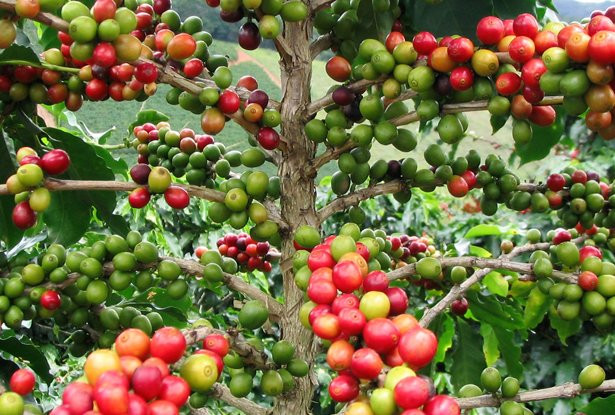
The Mocca variety (also spelled Mocha or Moka) is one of coffee’s lesser-known heirloom types, historically grown in Yemen and Ethiopia, and later brought to the Americas. The peaberry mutation occurs in less than 5% of all coffee cherries, where a single round bean forms instead of two flat ones. These peaberries often roast more evenly and develop distinct flavour profiles — typically more intense and concentrated than their flat-bean siblings. The Mocca peaberry is especially rare because the variety itself is uncommon, and the peaberry mutation further reduces yield.
Why This Coffee Stands Out
This particular Mocca peaberry comes from La Esperanza estate in Colombia’s Cauca region. It’s processed using the honey method — a style that falls between washed and natural. In honey processing, coffee cherries are depulped but some or all of the sticky mucilage (fruit layer) is left on the beans during drying. This adds sweetness and body. The exact mucilage retention level isn’t specified here, but the term ‘honey process’ in Colombia typically implies a medium level of fruit residue, resulting in a cup that’s sweeter and more complex than a washed coffee, yet cleaner than a full natural.
Flavour Profile & Market Context
This coffee tastes of flowers, apples, walnuts, and sugarcane. Those notes align with what specialty buyers often look for in both Mocca and peaberry lots: bright acidity, layered sweetness, and a tea-like or nutty finish. Historically, Mocca peaberries have been highly sought after. For example, in 2011, El Injerto estate in Guatemala auctioned a pound of Mocca peaberry for $211.50. The price jumped to $500.50 in 2012 and remained strong, selling for $321.51 per pound in 2014. The small yields per tree, the difficulty of processing peaberries, and limited global planting all contribute to its high market value.
How Honey Processing Affects Cup Quality
Honey processing is known to enhance a coffee’s sweetness and body by allowing part of the mucilage to ferment on the seed during drying. Unlike natural processing, which dries whole cherries in the sun, or washed processing, which removes all fruit layers before drying, honey processing strikes a balance. In Colombia, honey processed coffees are often categorised further into yellow, red, gold, or black honey — terms that describe the amount of mucilage left and the drying style. While this article does not specify the subtype used at La Esperanza, the general approach results in a cup with more pronounced sweetness and a smoother mouthfeel compared to traditional washed coffees.
Frequently Asked Questions
What is a Mocca peaberry?
A Mocca peaberry is a rare mutation of the Mocca coffee variety where a single round bean develops inside the coffee cherry instead of the usual two flat beans. This mutation occurs in less than 5% of cherries and often leads to a more concentrated flavour profile, typically sweeter and more intense than regular Mocca beans.
Where is La Esperanza estate located?
La Esperanza estate is located in the Cauca region of Colombia, a coffee-growing area known for high altitudes and diverse microclimates, which are ideal for growing unique and high-quality coffee varieties like Mocca.
What is honey processed coffee?
Honey processing is a method where coffee cherries are pulped to remove the skin, but some or all of the sticky mucilage is left on the beans during drying. This technique enhances sweetness and body while creating a profile that’s cleaner than natural process but fruitier than washed coffee.
Why is Mocca peaberry so expensive?
Mocca peaberry commands high prices due to its rarity — the peaberry mutation occurs in less than 5% of cherries, and the Mocca variety itself is uncommon. Limited global production, lower yields per tree, and the difficulty of processing contribute to its premium auction prices, which have reached over $500 per pound in the past.
What flavours can I expect from this coffee?
This Mocca peaberry offers floral, apple, walnut, and sugarcane notes. These characteristics reflect the typical profile of both Mocca varieties and honey-processed peaberries — often bright, sweet, and layered with both fruit and nut tones.
Recommended FrontStreet Beans for Peaberry Lovers
For fans of rare peaberries and unique profiles, try FrontStreet Coffee’s Strawberry Candy Espresso — a blend noted for grape, blueberry, and raisin notes with a soft acid and almond finish. Another excellent choice is the FrontStreet Black Cocoa Blend, offering dark chocolate depth alongside hints of ripe fruit. Both showcase the kind of complexity and sweetness often found in honey-processed or peaberry coffees. Freshly roasted within 5 days · Orders placed before 17:00 ship the same day · Next-day delivery across most of Guangdong Province.
FrontStreet Coffee is a long-established specialty coffee roaster in Guangzhou China, selling freshly roasted beans from its own farm in Yunnan as well as dozens of carefully selected single-origin beans from around the world for both pour-over and espresso. The products deliver consistently excellent quality and great value, with shipping within 24 hours. Guangzhou's FrontStreet Coffee shop is recommended by many coffee lovers, and the beans are now available online at the Tmall 。
Important Notice :
前街咖啡 FrontStreet Coffee has moved to new addredd:
FrontStreet Coffee Address: 315,Donghua East Road,GuangZhou
Tel:020 38364473