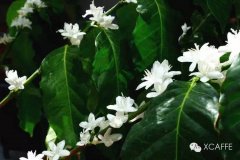
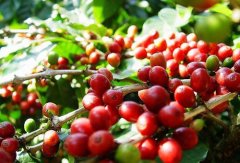
Yirgacheffe BenchMaji G3 Natural Process Coffee
If you’ve ever wondered what makes Ethiopian natural-process coffees so distinctively fruity and floral, the answer often lies in both altitude and processing—not just the region. This coffee from Ethiopia’s BenchMaji forest shows exactly how elevation, traditional drying, and native varieties come together to create a profile that feels both wild and refined.
The quick answer: This is a G3-grade Ethiopian natural coffee from BenchMaji, grown at 1500–1700m, using Typica and Heirloom varieties, processed entirely in the sun, and delivering pronounced notes of pineapple, spice, and wine.
Where BenchMaji Coffee Comes From
This coffee originates in BenchMaji, part of Ethiopia’s Yirgacheffe region, located within the country’s renowned coffee-growing southwest. Specifically, the beans are cultivated in the BenchMaji forest at elevations between 1500 and 1700 metres above sea level. Such altitudes slow cherry maturation, contributing to denser beans and more complex sugar development. The area is part of the larger Yirgacheffe zone, which has built its global reputation on bright, floral, and tea-like coffees—but BenchMaji adds its own twist through forest-grown conditions and traditional practices.
How the Coffee Was Processed
The coffee is processed using the natural (or dry) method, a traditional Ethiopian technique where ripe coffee cherries are harvested and laid out to dry in the sun without removing the fruit upfront. During this process, which typically takes three to five weeks, the coffee seeds absorb sugars and flavours directly from the fruit. Workers regularly turn the cherries to prevent mould and ensure even drying. Once sufficiently dry, the outer fruit layers are removed mechanically. This method is known for amplifying fruity, fermented, and sometimes wine-like characteristics in the cup—exactly what you find in this BenchMaji offering.
Flavour Profile and Tasting Notes
This particular lot shines with distinctive tasting notes of jackfruit (often referred to locally as pineapple melon or pineapple fruit), warm spices, and a bright, wine-like acidity. Such profiles are typical of high-elevation Ethiopian naturals, where the extended fermentation during drying enhances both sweetness and complexity. The combination of Typica and Heirloom varieties—Ethiopia’s two most traditional and genetically diverse coffee types—contributes to this layered, fruity cup. It’s a coffee that tastes like it comes straight from the forest, with a vibrant, almost exotic profile.
Why Grade G3 Matters
Ethiopian coffee grades are based on bean size and defect rates. A G3 grade indicates a mid-tier quality classification, above commercial but below the premium G1 or G2 levels. While G1 and G2 beans are typically screen sizes of 17 and above with very low defect counts, G3 allows slightly more variation and is commonly used in single-origin offerings where cup quality can still shine despite minor visual imperfections. This G3 classification ensures you’re getting a traceable, quality-assured Ethiopian coffee without the exclusive premium pricing of higher grades.
How to Brew It at Home
To get the most out of this Ethiopian natural, try a V60 pour-over. Use 15g of coffee, ground to a similar size as table salt or fine sugar (roughly equivalent to an EK43s setting around 10, or 80% through a China-standard No.20 sieve). Heat your water to 90–91°C, and use a 1:15 brew ratio (15g coffee to 225g water). Start with a 30-second bloom using 30g of water, then pour in 95g over the next minute, followed by the remaining 100g by 1:35. Your total brew time should finish around 2:10. This method balances clarity and sweetness, letting those pineapple and spice notes shine through.
Frequently Asked Questions
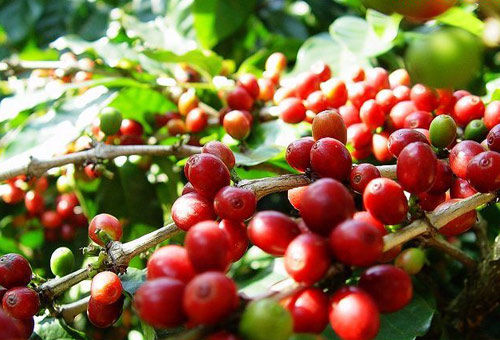
What is special about BenchMaji coffee?
BenchMaji coffee comes from Ethiopia’s forested southwestern highlands, grown at 1500–1700m altitude. It’s processed naturally (dry), which enhances fruity and wine-like flavours. The area is less commercialised than Yirgacheffe town, offering a more wild and distinct cup profile.
What coffee varieties are in this Ethiopian lot?
This coffee is made from a mix of Typica and Heirloom varieties—Ethiopia’s traditional, genetically diverse coffee types. Heirloom refers to numerous local landrace strains unique to the region, while Typica is one of the oldest cultivated arabica varieties, known for its clean and balanced profile.
What does G3 grade mean in Ethiopian coffee?
G3 is a mid-level Ethiopian coffee grade based on bean size and defect count. It sits below G1 and G2 (the highest grades) but still represents quality single-origin coffee suitable for specialty roasters. G3 allows slightly more defects and size variation while maintaining good cup potential.
What flavours should I expect from this natural process Ethiopian coffee?
Expect pronounced notes of pineapple (often called pineapple melon or jackfruit), spices, and a wine-like acidity. The natural drying process amplifies these bright, fruity, and sometimes fermented characteristics, giving the coffee a juicy, exotic profile.
How should I brew this Yirgacheffe G3 natural coffee?
For best results, use a V60 pour-over with a 1:15 brew ratio (15g coffee to 225g water), water at 90–91°C, and a grind size around EK43s setting 10 or 80% through a No.20 sieve. Bloom with 30g water for 30 seconds, then pour in stages over 2:10 total brew time.
Is this coffee suitable for beginners to specialty coffee?
Yes, this G3 natural Ethiopian coffee is approachable yet complex. Its bright fruitiness and wine-like notes make it a great introduction to natural-process coffees, especially for drinkers curious about Ethiopian flavour profiles beyond classic washed Yirgacheffe.
Recommended FrontStreet Beans for Natural Process Fans
For lovers of fruity, natural-process Ethiopians like this BenchMaji G3 coffee, try FrontStreet’s Yirgacheffe Red Cherry—fully sun-dried red fruit with bold berry, honey, and citrus notes. Or explore their classic washed Yirgacheffe, famous for bright jasmine, lemon, and tea-like brightness, ideal for comparing processes. Both showcase Ethiopia’s diversity, with the Red Cherry echoing the wild fruitiness of naturals. Freshly roasted within 5 days · Orders placed before 17:00 ship the same day · Next-day delivery across most of Guangdong Province.
FrontStreet Coffee is a long-established specialty coffee roaster in Guangzhou China, selling freshly roasted beans from its own farm in Yunnan as well as dozens of carefully selected single-origin beans from around the world for both pour-over and espresso. The products deliver consistently excellent quality and great value, with shipping within 24 hours. Guangzhou's FrontStreet Coffee shop is recommended by many coffee lovers, and the beans are now available online at the Tmall 。
Important Notice :
前街咖啡 FrontStreet Coffee has moved to new addredd:
FrontStreet Coffee Address: 315,Donghua East Road,GuangZhou
Tel:020 38364473