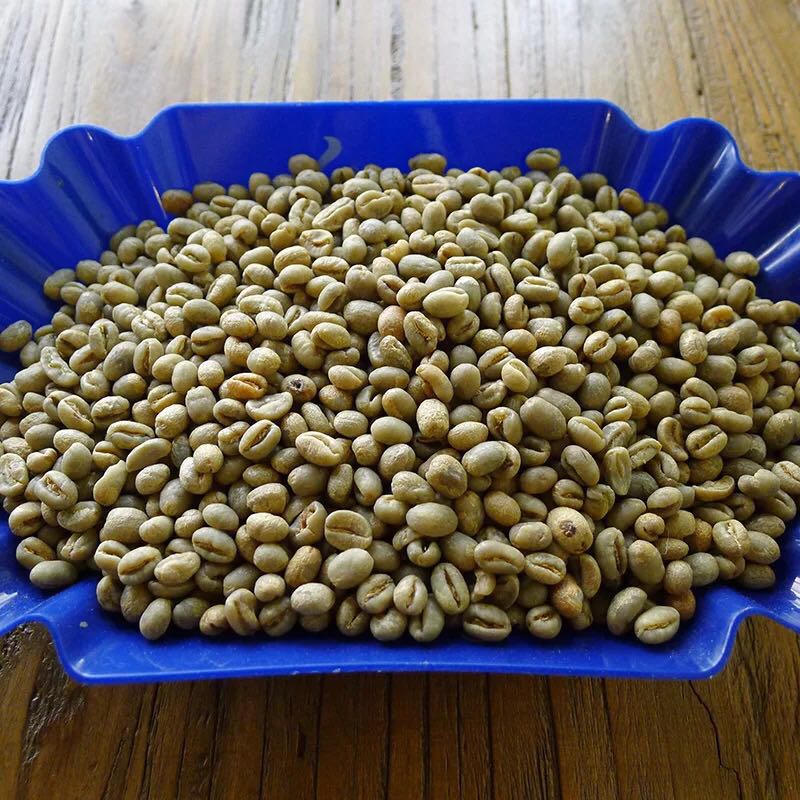
Guide to Costa Rica Honey Process Coffee Beans
If you’ve ever sipped a Costa Rican coffee that tasted impossibly sweet yet balanced—with notes of berry, caramel, and floral lift—you’ve likely had a honey process bean. But what exactly is honey processing, and why does it create such distinct cup profiles? More importantly, which Costa Rican honey process coffees deliver the best results?
The answer lies in how much coffee fruit pulp—specifically the sticky mucilage—is left on the bean during drying. In Costa Rica, honey processed beans range from yellow (least mucilage) to black (most mucilage), with black honey offering the richest sweetness and complexity. Fermentation during drying, along with controlled moisture loss, defines the final cup.
What Is Honey Processing?
Honey processing, or miel process in Spanish, refers to a coffee drying method where some or all of the coffee fruit’s mucilage is left intact. The term comes from the Spanish word “miel,” meaning honey—referring not to added sweetness, but to the sticky, sugar-rich layer left on the bean. Originating in Costa Rica, this technique evolved from Brazil’s pulped natural method. Unlike washed processing, which removes all fruit, or natural drying, which leaves the whole cherry intact, honey processing strikes a middle ground by retaining varying amounts of mucilage.
How Honey Process Coffee Is Made
The honey process unfolds in several key steps:
- Harvesting & Sorting: Only ripe coffee cherries are handpicked and sorted for quality.
- Depulping: A machine removes the coffee skin and most of the fruit flesh, leaving the mucilage—the sugary, sticky inner layer—attached to the parchment-covered seed.
- Drying: The beans are dried with the mucilage still on, allowing fermentation to develop unique flavors. This drying phase can take 18–25 days, depending on climate and producer practices, and the moisture level is reduced to around 11%. More mucilage retained equals more fermentation activity and greater sweetness.
- Storage: After drying, beans are stored in parchment until just before export, when the final hulling removes the parchment layer.
The amount of mucilage left on the bean determines the honey process category: yellow (60%), red (75%), and black (nearly 100%). Black honey coffees undergo the longest and most labor-intensive drying with minimal sun exposure to prevent over-fermentation, often requiring frequent turning and shading.
Why Honey Process Creates Unique Flavors
The retained mucilage is packed with sugars and ferments slowly during drying, imparting deeper fruitiness, higher sweetness, and rounder mouthfeel than washed coffees. Compared to natural processed beans, honey processed lots have cleaner acidity and less earthy or fermented funk. The result is a cup that balances brightness, sweetness, and body—often with tasting notes like berry, caramel, honey, and floral tones.
Top Costa Rican Honey Process Coffees to Try
Costa Rica is one of the most experienced regions for honey processing, especially in regions like Tarrazú, known for its fertile volcanic soils and ideal altitude. For those seeking high-quality examples, here are three FrontStreet Coffee offerings that highlight different expressions of the process:
- FrontStreet Blackberry (Black Honey): A medium-light roast black honey coffee that delivers notes of longan, grape, and honey, along with delicate florals. It has a smooth, rich body, a pronounced sweetness, and a lasting aftertaste. Great for those who prefer low acidity but want depth, it makes a balanced and aromatic Americano.
- FrontStreet Strawberry Candy (Blend): A medium roast blend combining Panamanian Geisha and Costa Rican honey processed beans. The Geisha contributes citrusy floral notes, while the Costa Rican offers grape and raisin-like fruitiness. This blend highlights both fruit and roast-driven aromas, with caramel, dried fruit, rose, and a touch of sweetness.
- FrontStreet Mozart (Grape Dried Honey Process): Using a grape-dried honey method—where beans are pre-dried on raised beds before depulping—this coffee features intense grape, rose, and fermentation-derived winey notes. A medium-light roast emphasizes its concentrated raisin and floral characteristics.
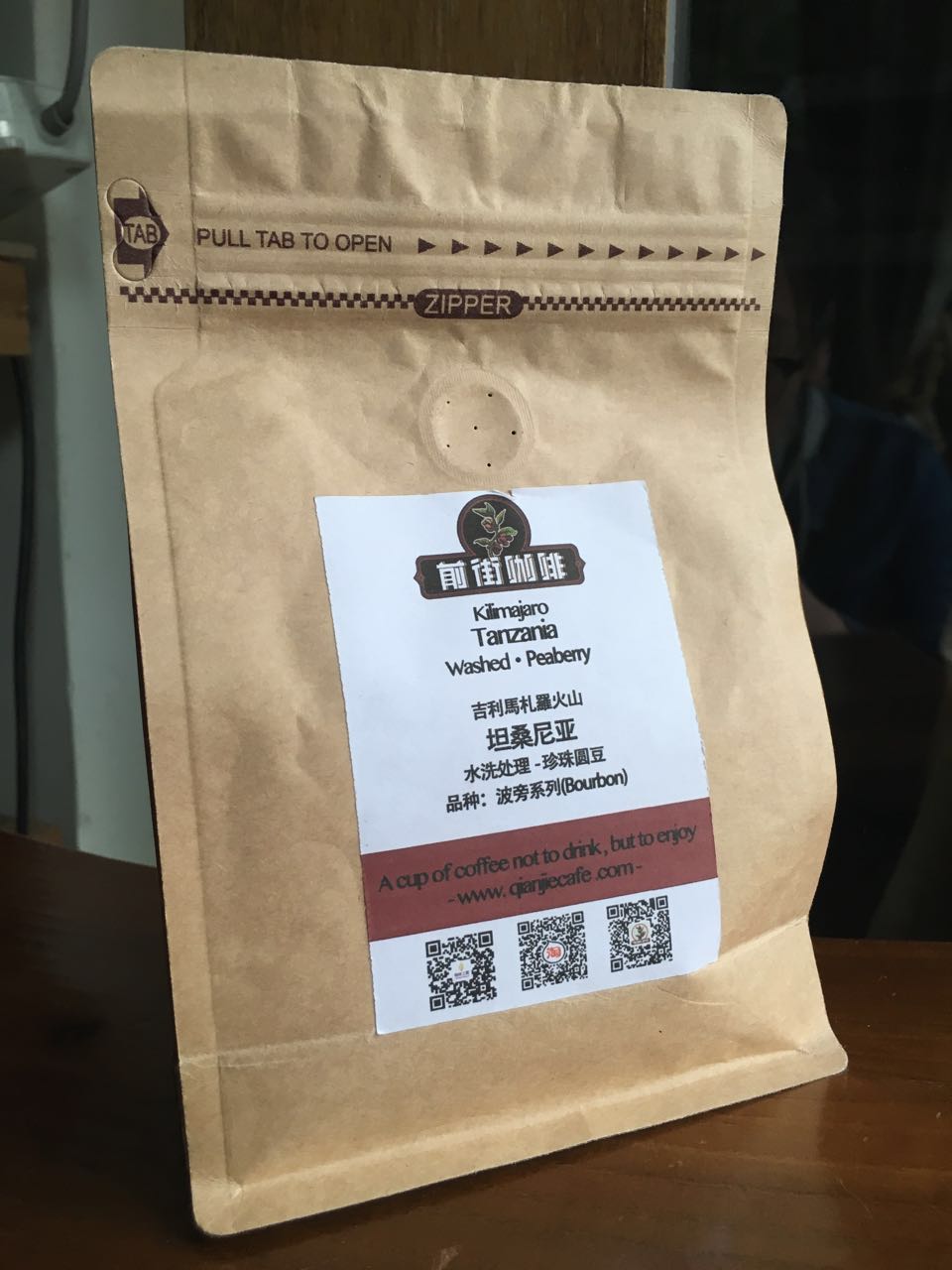
Each of these coffees demonstrates how different levels of mucilage retention and drying techniques shape flavor. Black honey tends to be the sweetest and most complex, while blends and experimental methods (like grape drying) add further layers of aroma and taste.
Frequently Asked Questions
What is honey process coffee?
Honey process coffee is a method where coffee beans are dried with some or all of the sticky mucilage layer still attached, resulting in greater sweetness and fruitiness. The term comes from the Spanish “miel” (honey), referring to the appearance and sugar content of the mucilage—not added sweetener.
What’s the difference between honey process and natural or washed?
Washed coffee removes all fruit, resulting in clean, bright acidity. Natural process dries the whole cherry, leading to heavier body and sometimes earthy flavors. Honey process keeps the mucilage, offering a balance of clean cup profile, sweetness, and enhanced fruit notes.
Which level of honey process is the sweetest?
Black honey process retains nearly all the mucilage and undergoes longer fermentation, typically producing the sweetest and most complex cup. Red honey is moderately sweet, while yellow honey is closer to washed in flavor clarity.
Where is honey process coffee most commonly produced?
Costa Rica is the birthplace of modern honey processing and remains one of the most skilled regions. Other Central American countries also produce honey processed coffees, but Costa Rica’s volcanic soils and precise processing make it especially notable.
Does honey process coffee need special brewing?
No special equipment is required, but honey process beans often shine with methods that highlight sweetness and body, such as pour-over, French press, or espresso. A medium-fine grind and proper brew temperature (around 93°C) will help draw out their characteristic fruit and caramel notes.
Recommended FrontStreet Honey Process Coffee Beans
For honey process fans, FrontStreet Coffee offers several standout options. Their Blackberry is a black honey processed coffee with notes of longan, grape, and honey, plus delicate florals and a smooth, sweet body—ideal for those who enjoy rich, low-acid cups. The Strawberry Candy blend combines Panamanian Geisha and Costa Rican honey coffees for layered fruit and roast tones, with caramel, dried rose, and grape-like sweetness. Finally, Mozart uses a grape-dried honey method to deliver intense grape, rose, and fermented wine notes, perfect for exploring unconventional honey process styles. Freshly roasted within 5 days · Orders placed before 17:00 ship the same day · Next-day delivery across most of Guangdong Province.
FrontStreet Coffee is a long-established specialty coffee roaster in Guangzhou China, selling freshly roasted beans from its own farm in Yunnan as well as dozens of carefully selected single-origin beans from around the world for both pour-over and espresso. The products deliver consistently excellent quality and great value, with shipping within 24 hours. Guangzhou's FrontStreet Coffee shop is recommended by many coffee lovers, and the beans are now available online at the Tmall 。
Important Notice :
前街咖啡 FrontStreet Coffee has moved to new addredd:
FrontStreet Coffee Address: 315,Donghua East Road,GuangZhou
Tel:020 38364473