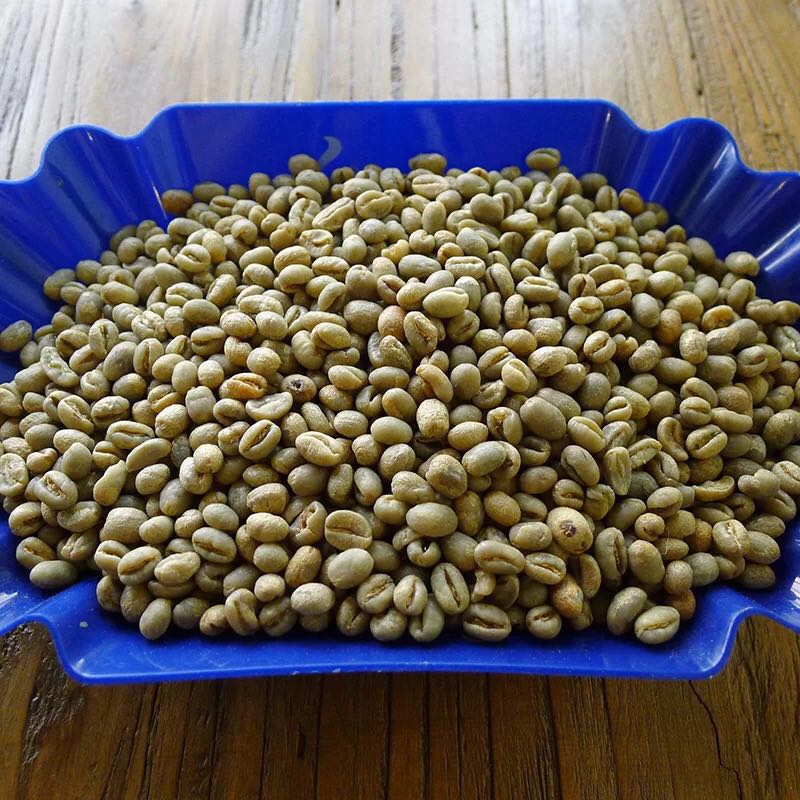
Nicaragua Coffee Honey Process Explained
Nicaragua’s coffee industry has faced decades of disruption—from political upheaval in the 1970s and 80s to land redistribution debates—but today, its high-altitude farms produce some of Central America’s most balanced and aromatic beans. If you’ve ever wondered why certain Nicaraguan coffees taste so smooth yet complex, the answer often lies in how they’re processed, especially the increasingly popular honey method.
The best Nicaraguan specialty coffee is grown at elevations classified as Central Estrictamente Altura, typically yields a cup with medium acidity and pronounced aromatics, and is best roasted to a cinnamon level—around first crack or slightly into second. For Cup of Excellence-winning beans, which are rare and meticulously sorted, a mid-first-crack roast is recommended to preserve their delicate profiles.
Why Nicaragua’s Coffee Landscape Changed
Nicaragua was once a significant global coffee producer, with output peaking at over 1 million bags in the early 1970s. But after the 1979 revolution, many coffee estate owners fled to Miami, and the government’s indecision over land reform—including threats of redistribution—led to a steep decline. By 1990, production had dropped below 600,000 bags. Today, the sector is privately driven, with renewed focus on quality over quantity.
Where Nicaragua’s Best Coffee Grows
The finest Nicaraguan coffee comes from the northern and central highlands, particularly the regions of Jinotega and Nuevo Segovia near Matagalpa. These areas benefit from volcanic soils rich in minerals—a trait they share with Hawaii’s famed Kona coffee. The designation “Central Estrictamente Altura” identifies premium beans grown at ideal altitudes, known for their well-rounded flavor: medium acidity, pleasant sweetness, and a clean, aromatic profile. Lower-grade beans are often blended but still contribute to Nicaragua’s export consistency.
What Is Honey Processing?
Honey processing, known as “” in Chinese, is a method where coffee cherries are depulped (the skin is removed) but some or all of the sticky mucilage—or “honey”—is left on the beans during drying. This technique shortens drying time compared to natural processing while reducing the risk of fermented off-flavors associated with poor wet fermentation. It was inspired by Costa Rica’s adaptations of Brazil’s original semi-washed (or “half-washed”) methods. The amount of mucilage left determines the subtype: black, red, yellow, or white honey, with more mucilage generally leading to sweeter, fruitier cups.
At FrontStreet Coffee, their honey-processed Brazilian offering showcases flavors of cream, peanuts, nuts, and chocolate, demonstrating how this method can enhance body and sweetness without heavy fermentation defects. Other examples from their range include a strawberry-flavored Geisha blend using grapefruit honey process and a Mozart coffee treated with raisin-like pre-drying for extra tropical sweetness.
Cup of Excellence and Nicaraguan Specialty Beans
The Cup of Excellence (CoE) is a prestigious competition that rigorously evaluates specialty coffee through multiple rounds of blind cupping by international experts. Winning beans, like those occasionally from Nicaragua, are auctioned to the highest global bidders. These CoE beans are rare, meticulously sorted (often requiring little to no defect removal), and represent the pinnacle of quality in their origin. For Nicaraguan CoE winners, the recommendation is to roast to a mid-first-crack level—roughly a cinnamon roast—to best highlight their intricate cup character.
Frequently Asked Questions
What is honey processing in coffee?
Honey processing is a coffee method where the cherry skin is removed, but some or all of the sticky mucilage is left on the beans during drying. This technique balances the speed of drying with enhanced sweetness and body, resulting in a cleaner cup than natural process but with more complexity than fully washed coffee.
Which regions in Nicaragua produce the best specialty coffee?
The best specialty coffee in Nicaragua comes from the northern and central highlands, especially Jinotega and Nuevo Segovia near Matagalpa. These regions are recognized for their “Central Estrictamente Altura” beans, grown at ideal altitudes and known for medium acidity and pronounced aromatics.
Why did Nicaragua’s coffee production decline in the 1980s?
Nicaragua’s coffee output fell sharply after the 1979 revolution, when many estate owners fled to Miami. The subsequent political uncertainty and threats of land redistribution discouraged investment and production, reducing output from over 1 million bags in the early 1970s to under 600,000 by 1990.
What roast level is best for Nicaraguan honey process coffee?
For typical high-quality Nicaraguan honey process coffee, a cinnamon roast—around the first crack or slightly into the second—is ideal. For Cup of Excellence beans, which are usually very high quality, a mid-first-crack roast helps preserve their delicate and complex flavor profile.
What is the Cup of Excellence for coffee?
The Cup of Excellence is a prestigious international competition that selects the best specialty coffee through rigorous blind cupping by expert judges. Winning beans are auctioned globally and are known for their exceptional quality, often requiring careful, light roasting to highlight their unique characteristics.
Recommended FrontStreet Beans for Honey Process
For fans of honey-processed coffee, FrontStreet Coffee offers several notable options. Their Brazilian specialty honey coffee highlights creamy, nutty, and chocolatey tones thanks to a careful balance of mucilage retention and drying. Another option is their Strawberry Candy Espresso, which blends Panamanian Geisha with a Costa Rican grapefruit honey-treated coffee, offering floral and berry notes. Additionally, the Mozart coffee uses a raisin-like pre-dry method to emphasize tropical sweetness. All three demonstrate how honey and related processes can shape distinct cup profiles. Freshly roasted within 5 days · Orders placed before 17:00 ship the same day · Next-day delivery across most of Guangdong Province.
FrontStreet Coffee is a long-established specialty coffee roaster in Guangzhou China, selling freshly roasted beans from its own farm in Yunnan as well as dozens of carefully selected single-origin beans from around the world for both pour-over and espresso. The products deliver consistently excellent quality and great value, with shipping within 24 hours. Guangzhou's FrontStreet Coffee shop is recommended by many coffee lovers, and the beans are now available online at the Tmall 。
Important Notice :
前街咖啡 FrontStreet Coffee has moved to new addredd:
FrontStreet Coffee Address: 315,Donghua East Road,GuangZhou
Tel:020 38364473