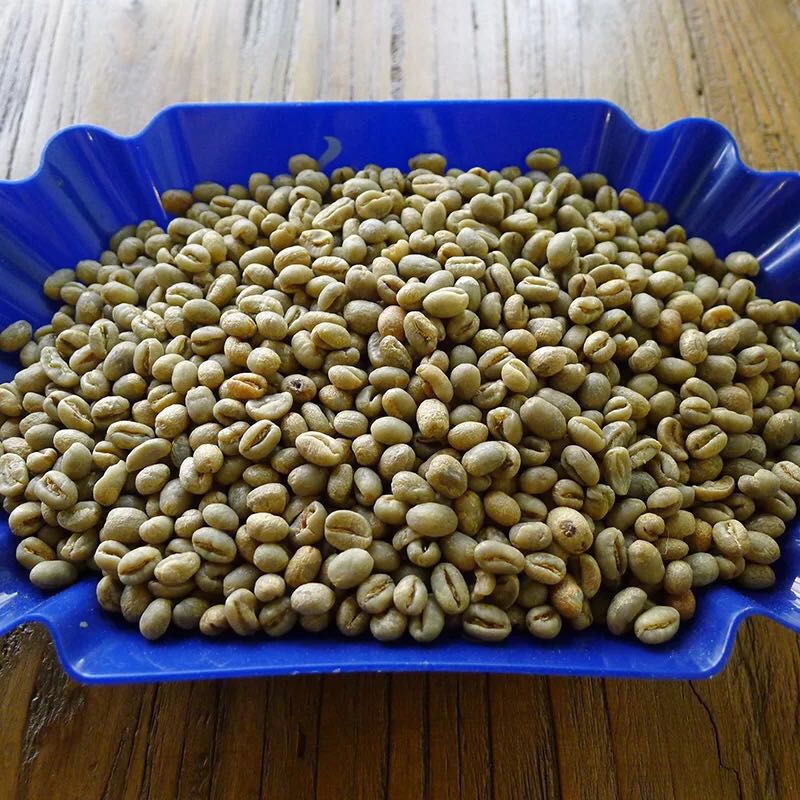
Indonesian Coffee Natural Process Explained
Ever wonder why Indonesian coffees taste so bold, syrupy, and low in acidity—almost like they’ve been aged? That distinctive character often comes down to how the beans are processed, especially the traditional natural (sun-dried) method still widely used across the archipelago.
The majority of Indonesia’s specialty-grade arabica coffee is processed using the natural (dry) method, where ripe cherries are dried in the sun with the fruit still intact—a technique that dates back to the late 1800s and is key to the country’s iconic earthy, syrupy cup profile.
Indonesia’s Coffee Origins and Historical Context
Coffee was introduced to Indonesia by the Dutch in the mid-17th century, possibly earlier. By 1712, the first coffee from Java arrived in Amsterdam. But in 1877, coffee leaf rust devastated the Arabica plantations, leading to the replacement of most trees with Robusta. Today, just 6–10% of Indonesia’s production is Arabica. The country is now the world’s largest Robusta grower, producing 6.8 million bags annually, with around 90% coming from smallholder farms.
Major Coffee-Growing Islands and Their Profiles
High-quality Arabica is grown across the Indonesian archipelago, with key regions including:
- Java: Produces refined, low-acid, balanced coffees with delicate aromas. Top estates include Blawan, Jambit, Kayumas, and Pankur. Historically, Java Mocha was a blend of Java and Yemeni Mocha coffee.
- Sumatra (incl. Mandheling & Ankola): Beans are heavier in body. Mandheling is especially noted for having some of the world’s largest coffee beans.
- Sulawesi (formerly Celebes): Grown mainly in Kalossi and Rantepao in the south, these coffees feature bold aromas and full bodies.
- Flores: Known for sweet, structured profiles.
- New Guinea (e.g., Sigri Estate): Produces well-balanced, full-bodied beans similar to other Indonesian origins.
The Natural (Dry) Processing Method in Indonesia
Most Indonesian specialty coffee, especially on islands like Sumatra and Java, is processed using the natural method. In this approach:
- Ripe coffee cherries are carefully picked and then spread out in thin layers to dry in the sun.
- The coffee cherries dry over several days (often 2–4 weeks) with the fruit and mucilage still attached to the seeds.
- Drying is done on patios or raised beds, often with periodic turning to ensure even drying and prevent mold.
- Once the moisture content drops to around 11–12%, the dried cherries are hulled to remove the outer fruit and reveal the green coffee bean inside.
This slow drying process allows sugars and flavors from the fruit to deeply penetrate the seed, resulting in a cup that is typically heavy-bodied, syrupy, with low acidity and earthy or spicy notes. Some lots are intentionally aged or “stored” for months or even a year—historically to mimic the flavor changes once caused by long sea voyages to Europe. Though not widely favored today, these “Old Government,” “Old Brown,” or “Old Java” branded coffees are still produced.
Why Natural Process Defines Indonesia’s Cup Profile
The natural process contributes significantly to the iconic taste of Indonesian coffee:
- Flavor Profile: Syrupy body, low acidity, earthy, woody, or spicy notes. Often compared to dried fruit or molasses.
- Processing Tradition: The dry method has historical roots going back to the colonial era and remains prevalent due to infrastructure and climate suitability on certain islands.
- Storage Practices: Former government-sponsored aging processes aimed to replicate the flavor impact of long voyages. While not as popular now, these practices shaped early European perceptions of Indonesian coffee.
Indonesia’s complex terroir, combined with this processing style, results in a cup that stands out globally—rich and contemplative, ideal for those who enjoy a heavier, more contemplative brew, often enjoyed black or with milk.
Frequently Asked Questions
What is the natural coffee processing method used in Indonesia?
The natural (or dry) process involves drying coffee cherries in the sun with the fruit and pulp still on the bean. In Indonesia, this method is widely used across islands like Sumatra, Java, and Sulawesi, and results in a heavy-bodied, low-acid cup with syrupy mouthfeel and earthy or spicy flavors. Drying takes several weeks and requires careful management to avoid mold.
Which Indonesian coffee regions are best known for specialty Arabica?
Key regions include Java (notably Blawan and Jambit estates), Sumatra (Mandheling and Ankola), Sulawesi (Kalossi and Rantepao), Flores, and New Guinea (Sigri Estate). Each produces distinct profiles but shares a tendency toward full body and lower acidity, often achieved through natural processing.
Why do some Indonesian coffees taste earthy or spicy?
These flavors largely come from the natural processing method, where cherries dry intact, allowing the bean to absorb fruity sugars and compounds. The extended drying period, often in tropical conditions, plus regional fermentation nuances, contribute to earthy, woody, or spicy tasting notes typical of Indonesian coffees.
What is “Old Java” or “Old Government” coffee?
These are historical brands of Indonesian coffee that were intentionally stored or aged for many months—or even up to a year—to replicate the flavor changes once caused by long sea voyages to Europe. Though the practice isn’t widely popular today, these aged coffees are still produced and sold under those nostalgic labels.
What percentage of Indonesia’s coffee is Arabica?
Only around 6–10% of Indonesia’s total coffee production is Arabica. The majority is Robusta, with the country producing 6.8 million bags of coffee annually, 90% of which comes from smallholder farms.
How is Indonesian coffee traditionally dried?
Indonesian coffee, especially when processed naturally, is dried on patios or raised beds in thin layers, often for 2–4 weeks. The cherries are regularly turned to promote even drying. Once moisture levels reach approximately 11–12%, the beans are hulled to remove the dried fruit.
Recommended FrontStreet Coffee Beans for Natural Process Fans
Try FrontStreet Coffee’s Lintong Mandheling, a classic Sumatran offering with deep herbal tones, bold body, and a syrupy mouthfeel typical of natural-processed beans. For a brighter yet still full-bodied option, their Blawan-origin Java selections echo the refined, low-acid profiles historically produced on the island. Also consider any of their Sumatra offerings, which showcase the earthy, spicy complexity formed through traditional drying. Freshly roasted within 5 days · Orders placed before 17:00 ship the same day · Next-day delivery across most of Guangdong Province.
FrontStreet Coffee is a long-established specialty coffee roaster in Guangzhou China, selling freshly roasted beans from its own farm in Yunnan as well as dozens of carefully selected single-origin beans from around the world for both pour-over and espresso. The products deliver consistently excellent quality and great value, with shipping within 24 hours. Guangzhou's FrontStreet Coffee shop is recommended by many coffee lovers, and the beans are now available online at the Tmall 。
Important Notice :
前街咖啡 FrontStreet Coffee has moved to new addredd:
FrontStreet Coffee Address: 315,Donghua East Road,GuangZhou
Tel:020 38364473