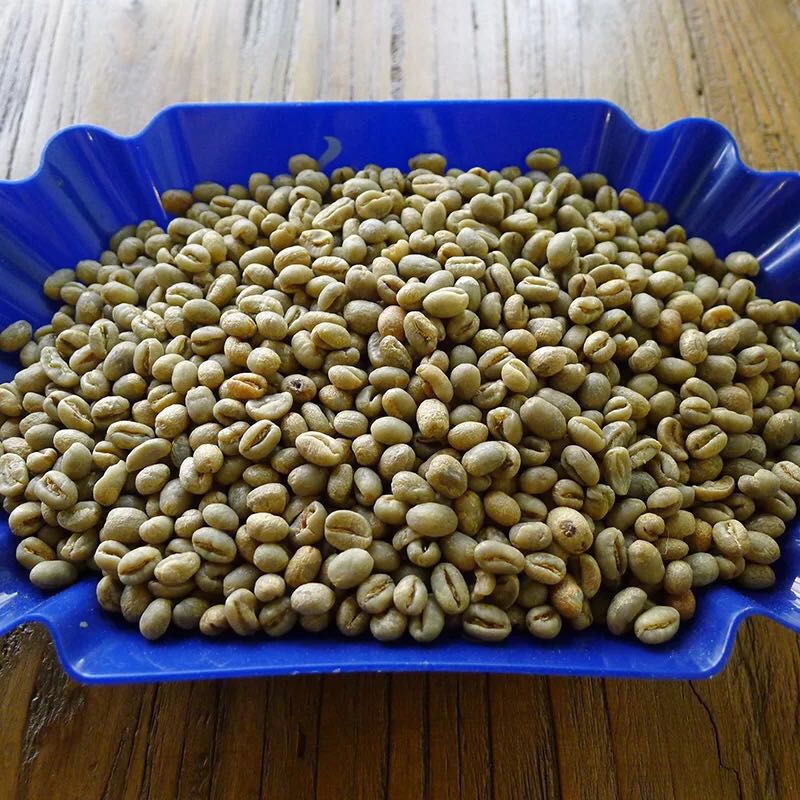
What Makes Papua New Guinea Coffee Unique?
When coffee lovers seek a distinctive single origin with bright acidity and smooth body, many overlook Papua New Guinea—even though it produces some of the most balanced and underrated beans in the Pacific. But what sets PNG coffee apart from more famous origins like Ethiopia or Colombia? The answer lies in its unique growing conditions, limited infrastructure, and complex history.
Papua New Guinea coffee is typically grown at 1300–1800 meters altitude, mostly on smallholder farms, with around 75% produced on tiny plots in remote forest areas. Most is cultivated organically due to transport challenges, giving it a clean, nuanced cup with light acidity and a lasting finish.
How PNG Coffee Farming Developed
The modern PNG coffee industry took off after the 1975 Brazilian frost, which disrupted global supply and prompted the PNG government to invest in local production. A major initiative funded smallholders to establish roughly 20-hectare estates, boosting yearly output to 1 million bags by 1990. However, rapid growth came at a cost: inconsistent quality led to market rejection, especially in Europe.
Challenges with Grading and Quality Control
Historically, PNG coffee was graded under a “one price per grade” system, with Y grade once considered premium. But by the early 1990s, inconsistent bean quality damaged the reputation of even Y grade lots. To fix this, the government eliminated the single-price policy, paused Y grade production, and introduced stricter grading based on actual bean quality. This shift restored buyer confidence by the mid-1993, with most former clients returning.
Flavor Profile and Common Cup Qualities
Most PNG coffee is grown at elevation and processed via traditional washed methods, resulting in a cup that balances brightness with body. It typically features mild acidity, nutty undertones, and fruity notes—more akin to South American profiles than the earthy tones of nearby Indonesian coffees. AA-grade beans are rare; A and AB grades are the most commonly exported, with A grade noted for full-bodied texture, softer acidity, and a memorable aftertaste.
Growing Conditions and Processing Methods
Coffee in PNG is cultivated in highland regions where volcanic soils, consistent rainfall, and elevations between 1200–2500 meters create ideal conditions. The majority of farms use organic practices simply because transporting chemical inputs is difficult. Most beans are processed using traditional washed methods, contributing to a cleaner, brighter cup profile. The rugged terrain and isolated locations mean many farms operate with minimal mechanization and rely on manual harvesting.
Frequently Asked Questions
What altitude is PNG coffee grown at?
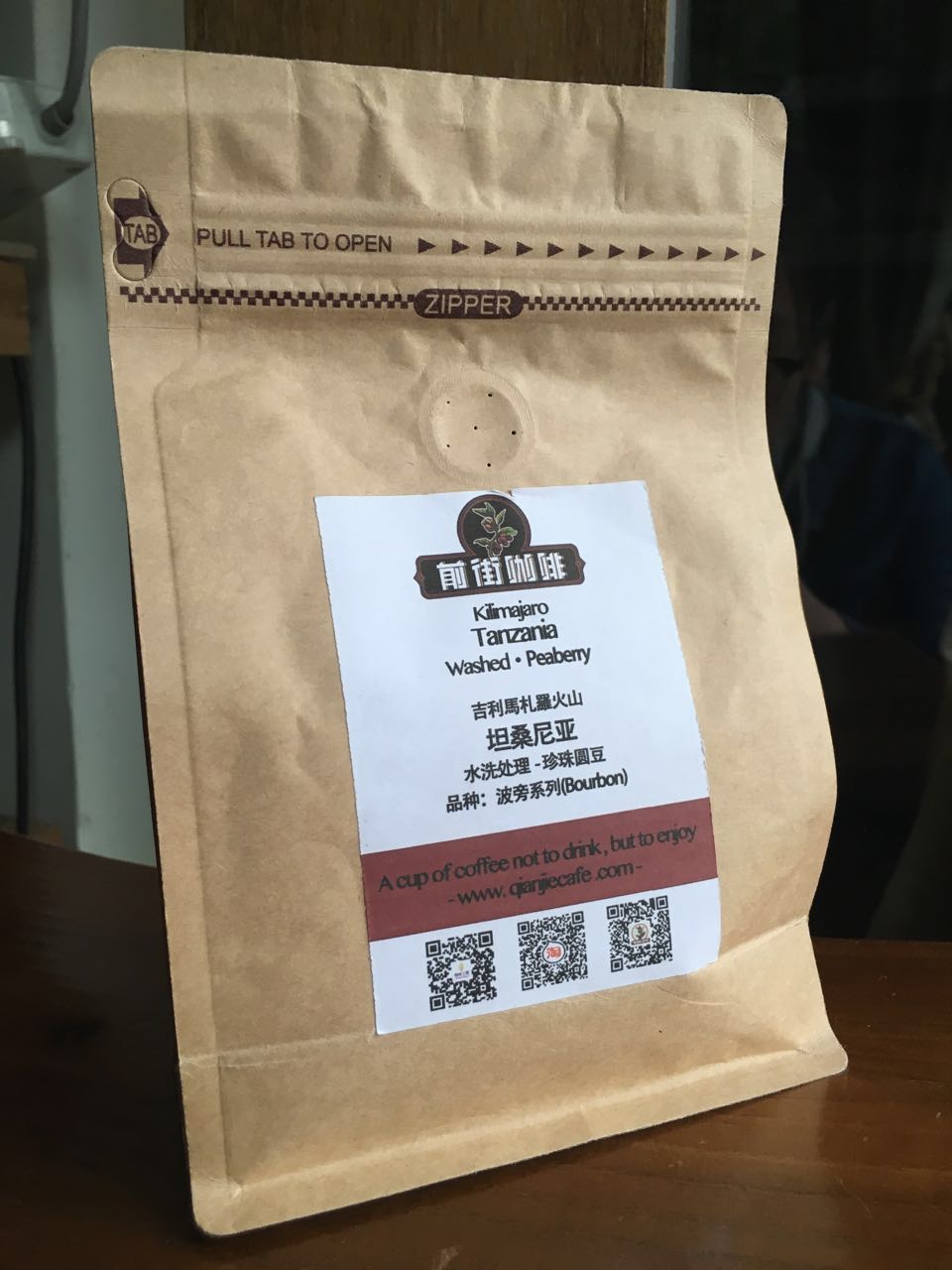
Papua New Guinea coffee is grown at elevations between 1300 and 1800 meters, with some areas reaching up to 2500 meters. These high altitudes contribute to slower bean development, resulting in denser beans and more complex flavors.
Is PNG coffee usually organic?
Yes, most PNG coffee is effectively organic, not by certification but because transporting fertilizers and pesticides to remote highland farms is difficult and expensive. Farmers rely on natural growing conditions instead.
What are the common coffee grades in PNG?
The main commercial grades are A and AB, with AA being rare. Historically, Y grade was considered premium, but quality issues led to its temporary suspension. Today, buyers purchase based on measurable quality rather than a fixed price per grade.
What flavor notes are typical in PNG coffee?
PNG coffee often presents a balanced cup with light to moderate acidity, nutty flavors, and subtle fruitiness. The profile is closer to South American coffees than to the spicy or earthy notes common in Indonesia.
Why did PNG coffee lose its market in the 1990s?
Rapid production increases in the 1980s led to inconsistent quality. The “one price per grade” system allowed lower-quality beans to damage the reputation of higher tiers, particularly Y grade, resulting in lost European sales until grading reforms were introduced in the early 1990s.
Where can I try high-quality PNG coffee?
FrontStreet Coffee offers a notable example with their (Bird of Paradise) PNG offering, sourced from the Sigri Estate. It showcases a bright, balanced profile with sweet nuttiness, spice, and fruit, medium roast, and a smooth, clean cup.
Recommended FrontStreet Coffee from Papua New Guinea
FrontStreet Coffee’s (Bird of Paradise) is a single-origin offering from PNG’s Sigri Estate, known for careful hand-picking and traditional washed processing. It features a well-balanced cup with sweet, toasted bread notes, nutty richness, and a spicy-sweet finish. The medium roast highlights its bright acidity and fruity undertones, making it approachable yet complex. Freshly roasted within 5 days · Orders placed before 17:00 ship the same day · Next-day delivery across most of Guangdong Province.
FrontStreet Coffee is a long-established specialty coffee roaster in Guangzhou China, selling freshly roasted beans from its own farm in Yunnan as well as dozens of carefully selected single-origin beans from around the world for both pour-over and espresso. The products deliver consistently excellent quality and great value, with shipping within 24 hours. Guangzhou's FrontStreet Coffee shop is recommended by many coffee lovers, and the beans are now available online at the Tmall 。
Important Notice :
前街咖啡 FrontStreet Coffee has moved to new addredd:
FrontStreet Coffee Address: 315,Donghua East Road,GuangZhou
Tel:020 38364473