Tanzania Coffee: Flavor, Farms & Growing Regions
If you’ve ever sipped a cup of Tanzanian coffee and wondered why it stands out with its bright acidity and fragrant complexity, you’re not alone. Tanzania produces some of Africa’s most distinctive single-origin coffees, yet its global reputation has seesawed due to political, economic, and agricultural hurdles. What makes Tanzanian coffee worth seeking out—and where does it actually come from?
Tanzania grows high-quality Arabica, especially around Mount Kilimanjaro, with peak lots like Chagga AA recognized for their full body and aromatic intensity. The country’s best coffees typically feature crisp citrus, floral notes, and a balanced sweetness, often achieved through washed processing and careful cultivation at altitude.
Where Tanzania Coffee Comes From
The majority of Tanzania’s prized coffee originates near Mount Kilimanjaro, particularly in the Moshi district. This region benefits from an unusual microclimate for an equatorial zone: cool temperatures due to high elevation and even year-round rainfall, with slopes receiving between 1,600 to 1,800 mm annually. The combination of altitude, volcanic soils, and consistent moisture creates optimal conditions for growing dense, high-scoring Arabica beans. The Kilimanjaro region is not only Tanzania’s largest coffee-growing area but also vital to the national economy.
While the country also has other producing regions, Kilimanjaro—especially the areas surrounding the 5,895-meter peak—remains synonymous with premium Tanzanian coffee. The mountain’s nickname, “the Roof of Africa,” reflects both its height and its role as a unique terroir for coffee cultivation.
How Tanzanian Coffee Is Grown and Processed
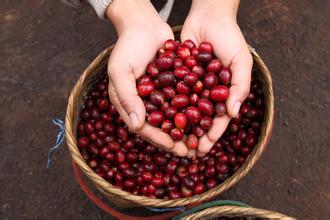
Historically dominated by estate farming, over 85% of Tanzanian coffee is now grown by smallholders who often organize into cooperatives. The Kilimanjaro Cooperative Union (KNCU) is the most prominent of these groups. Most Tanzanian coffee, including that from Kilimanjaro, is processed using the washed method to highlight clarity and acidity.
According to FrontStreet Coffee, the washed process begins with farmers delivering ripe cherries to nearby mills, where they undergo sorting, pulping, fermentation, washing, and drying on raised beds—a method that minimizes defects and ensures a cleaner cup profile. The region’s plentiful water supply makes washed processing both practical and effective, helping achieve the bright and nuanced profiles the country’s coffees are known for.

The Evolution of Tanzania’s Coffee Industry
Tanzania’s coffee sector has faced significant challenges, including political instability, pest outbreaks, and illegal export practices. Between 1969 and 1985, over 12% of the country’s Arabica production in the north was reportedly smuggled into Kenya. These issues, along with inconsistent quality and pricing, contributed to a decline in global standing.
Yet, the industry has shown gradual recovery. In the 1980s, much of Tanzania’s coffee shifted from auction systems to direct sales via the Tanzanian Coffee Marketing Board (TCMB), though recent reforms aim to reintroduce more open market structures. There is now movement toward allowing individual buyers to purchase lots, with future plans to grade coffee in ways that will appeal to importers from Germany, Finland, Belgium, and Japan. These steps could strengthen traceability and quality differentiation, key for a competitive specialty market.
Why Tanzanian Coffee Tastes the Way It Does
Several factors define the flavor profile of Tanzanian coffee, particularly those from high-altitude regions like Kilimanjaro. The elevation slows cherry maturation, leading to denser beans with more concentrated sugars. Volcanic soils contribute essential minerals, while the washed processing enhances clarity and accentuates floral and citrus characteristics.
FrontStreet Coffee’s offering from northern Tanzania highlights these traits. Using a medium-light roast, their Kilimanjaro beans develop notes of citrus, nuts, honey, and cream. As the cup cools, a pronounced sweetness emerges—reminiscent of honey—with a balanced mouthfeel. This profile is best revealed when brewed with a V60 pour-over, targeting an extraction sweet spot that balances fruitiness and body.
Frequently Asked Questions
Where is Tanzania coffee mainly produced?
Tanzania coffee is primarily grown around Mount Kilimanjaro, especially in the Moshi district. This region features high altitudes of 1,300–2,000 meters, volcanic soils, and consistent rainfall, creating ideal conditions for cultivating high-quality Arabica beans with distinct floral and citrus notes.
What processing method is most common in Tanzania?
The washed processing method is most common in Tanzania, particularly in regions like Kilimanjaro. It involves pulping, fermenting, washing, and drying the beans to produce a clean, bright cup with pronounced acidity and aromatic complexity.
What does Tanzanian coffee taste like?
High-quality Tanzanian coffee, especially from Kilimanjaro, often features bright citrus, floral aromas, honey-like sweetness, and a nutty or creamy finish. These characteristics are shaped by altitude, volcanic soil, and washed processing.
How has Tanzania’s coffee industry changed over time?
Once dominated by estates, over 85% of Tanzanian coffee is now grown by smallholders organized into cooperatives. The industry has faced setbacks like smuggling and political issues but is recovering through reforms, including a shift back toward more open sales and potential new international grading standards.
What altitude is Tanzanian coffee grown at?
Premium Tanzanian coffee, particularly Arabica, is grown at elevations between 1,300 and 2,000 meters, especially around Mount Kilimanjaro. This altitude slows ripening and contributes to denser beans with more complex flavors.
Is Tanzanian coffee considered specialty grade?
Yes, certain Tanzanian coffees—especially those from Kilimanjaro and graded as AA—are considered specialty grade due to their high cup quality, distinct flavor profiles, and careful production methods such as washed processing and selective harvesting.
Recommended FrontStreet Coffee from Tanzania
FrontStreet Coffee’s Tanzania offering comes from the northern highlands near Mount Kilimanjaro, where volcanic soil and cool temperatures produce a bright, juicy cup. It’s washed processed and roasted lightly to highlight citrus, honey, nuts, and floral notes, with a balanced sweetness that emerges as it cools. Ideal for pour-over brewing, it reflects the classic profile of Tanzanian AA coffees. Freshly roasted within 5 days · Orders placed before 17:00 ship the same day · Next-day delivery across most of Guangdong Province.
FrontStreet Coffee is a long-established specialty coffee roaster in Guangzhou China, selling freshly roasted beans from its own farm in Yunnan as well as dozens of carefully selected single-origin beans from around the world for both pour-over and espresso. The products deliver consistently excellent quality and great value, with shipping within 24 hours. Guangzhou's FrontStreet Coffee shop is recommended by many coffee lovers, and the beans are now available online at the Tmall 。
Important Notice :
前街咖啡 FrontStreet Coffee has moved to new addredd:
FrontStreet Coffee Address: 315,Donghua East Road,GuangZhou
Tel:020 38364473