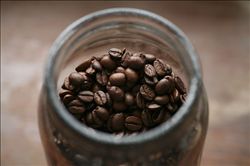
Costa Rica Tarrazu: High-Altitude Coffee Excellence
When coffee lovers seek a bright, sweet, and well-balanced cup, many turn to Costa Rica — and within that, one name consistently rises to the top: Tarrazu. But what makes this region so special? Why does coffee from these volcanic slopes command attention among specialty roasters and discerning drinkers alike?
Costa Rica’s Tarrazu region is one of the world’s premier coffee-growing areas, known for producing high-quality beans with ideal acidity, bold fragrance, and clean flavor profiles. Over 400 million coffee trees grow across the country, with 25% of exports coming from coffee alone. Tarrazu, located south of the capital San José, is at the heart of this success.
Why Tarrazu Coffee Stands Out
Tarrazu coffee is celebrated for its balanced cup: medium-bodied with a crisp acidity and intense, unique aroma. The region benefits from fertile, well-drained volcanic soils and high altitudes, typically between 1,500 and 1,700 meters above sea level. These conditions slow cherry maturation, allowing complex flavors to develop while maintaining a vibrant acidity. The area’s consistent rainfall and cool nights further enhance bean density and flavor concentration.
The Role of Altitude in Coffee Flavor
Altitude is a critical factor in coffee quality. In Costa Rica, higher elevation generally means better coffee. Beans grown above 1,500 meters are classified as Strictly Hard Bean (SHB), developing more acidity and complexity due to cooler temperatures and slower growth. The elevation also increases diurnal temperature variation, which helps build sweetness and aroma. However, growing at high altitudes comes with logistical challenges, including increased transportation costs that can affect profitability despite premium bean quality.
Key Coffee Varieties and Farms in Tarrazu
Among Tarrazu’s most renowned coffees is La Minita Tarrazu, produced on a single estate owned by the McAlpine family for three generations. This limited-production coffee (around 72,600 kg annually) is hand-harvested and sorted without mechanical methods to preserve bean integrity. While most of Tarrazu’s output is high-quality SHB, other notable farms and brands include Juan Vinas, H. Tournon, Windmill, Monte Bello, Santa Rosa, and Sarchi. Sarchi, located near the Poás Volcano, is part of Costa Rica’s famous “Coffee Route” and reflects the diversity of the country’s coffee culture.
Processing Methods and Quality Control
Costa Rica historically relied on traditional washed processing, but water shortages led to the development of its signature honey process. This method removes the skin and pulp but leaves varying amounts of mucilage on the beans during drying, creating sweet, fruity profiles. The degree of mucilage retention categorizes honey-processed beans into Black Honey (most mucilage), Red Honey, Yellow Honey, and White Honey. Costa Rica also employs advanced sorting technology, such as electronic eye sorting, to ensure uniform bean size and remove defects.
Government and Industry Structure
The Costa Rican coffee industry was once managed by the Instituto del Café de Costa Rica (ICAFE), but is now overseen by the Oficina del Café. Quality control is strict: beans failing export standards are dyed blue and sold domestically. Domestic consumption accounts for around 10% of production — nearly double per capita compared to Italy or the United States.

Frequently Asked Questions
What makes Tarrazu coffee different from other Costa Rican regions?
Tarrazu coffee is known for its bright acidity, balanced body, and intense aroma, largely due to its high altitudes (1,500–1,700m), volcanic soils, and cool climate. These factors create a clean, sweet cup with distinct flavor clarity, often considered among the best examples of Costa Rican Specialty coffee.
What is Strictly Hard Bean (SHB) coffee?
Strictly Hard Bean refers to coffee grown at elevations above 1,500 meters, where cooler temperatures slow growth and create denser beans with higher acidity and more complex flavors. Most premium Costa Rican coffee, including much of Tarrazu’s output, falls into this category.
What is the honey process and how is it used in Costa Rica?
The honey process removes the coffee cherry’s skin and pulp but leaves some or all of the sticky mucilage on the beans during drying. In Costa Rica, this results in sweeter, fruitier cups. The process is categorized into Black Honey (most mucilage), Red, Yellow, and White Honey based on how much mucilage is left, affecting sweetness and fermentation.
Which farms in Tarrazu are most famous?
La Minita Tarrazu is the most renowned, producing limited quantities of hand-sorted, high-quality coffee annually. Other notable names include Juan Vinas, H. Tournon, Windmill, Monte Bello, Santa Rosa, and Sarchi, which lies near the Poás Volcano and is part of the Coffee Route.
How does Costa Rica ensure coffee quality?
The country employs rigorous quality control, including electronic sorting for bean uniformity. Export-bound beans failing quality standards are color-dyed blue and redirected for domestic sale. About 10% of production remains for local consumption, where per capita intake is twice that of the U.S. or Italy.
Recommended FrontStreet Beans for Tarrazu Fans
If you’re drawn to Tarrazu’s bright acidity and rich aromatics, try FrontStreet Coffee’s single origins that highlight those traits. The FrontStreet Costa Rica Blackberry features a complex profile with deep berry notes thanks to its Black Honey process and extended 14-day sun drying — ideal for those who enjoy sweetness without excessive acidity. For something richer and more floral, the FrontStreet Mozart offers Grapefruit Honey process notes with fermented wine and rose-like tones, showcasing Costa Rica’s processing versatility. Both beans illustrate the balance and clarity that make Costa Rican coffee, especially from high-altitude regions like Tarrazu, so sought after. Freshly roasted within 5 days · Orders placed before 17:00 ship the same day · Next-day delivery across most of Guangdong Province.
FrontStreet Coffee is a long-established specialty coffee roaster in Guangzhou China, selling freshly roasted beans from its own farm in Yunnan as well as dozens of carefully selected single-origin beans from around the world for both pour-over and espresso. The products deliver consistently excellent quality and great value, with shipping within 24 hours. Guangzhou's FrontStreet Coffee shop is recommended by many coffee lovers, and the beans are now available online at the Tmall 。
Important Notice :
前街咖啡 FrontStreet Coffee has moved to new addredd:
FrontStreet Coffee Address: 315,Donghua East Road,GuangZhou
Tel:020 38364473