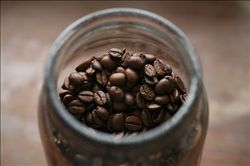
Costa Rica Tarrazú Fire Phoenix Estate Coffee
When you taste a coffee with dense, juicy body, bright acidity, and intense floral-fruit aroma, you’re likely drinking a high-altitude lot from Costa Rica’s Tarrazú region—a zone celebrated for producing some of Central America’s most structured coffees. But what makes a cup from a place like Fire Phoenix Estate stand out amid Costa Rica’s sea of well-organized, high-yield plantations?
The short answer: elevation, processing, and care. Tarrazú coffees grown above 1,500 meters develop sharper acidity, denser beans, and more complex flavor thanks to slow ripening, cool nights, and volcanic soil. The Fire Phoenix Estate—while not as widely exported as La Minita—is part of a select group producing intensely aromatic, balanced beans with distinct profiles sought after by specialty roasters.
Why Tarrazú Produces Some of Costa Rica’s Best Coffee
Tarrazú, located south of the capital San José, is one of Costa Rica’s most respected coffee-growing regions. The area benefits from fertile, well-drained volcanic soils and high altitudes typically ranging from 1,700 to 1,800 meters. These conditions create a large diurnal temperature swing—hot days and cool nights—that slows cherry maturation and concentrates sugars and acids in the beans. The result is coffee with a clean, bright profile, medium-to-high acidity, and a juicy, balanced body. Tarrazú beans are often described as having notes of citrus, caramel, nuts, and tropical fruit.
The Role of Altitude and Processing in Coffee Flavor
Altitude is critical in Costa Rican coffee production. Beans grown above 1,500 meters are classified as “strictly hard bean” (SHB), a quality designation denoting slower growth, denser beans, and more vibrant cup characteristics. Higher elevations mean lower nighttime temperatures, which extend the cherries’ development period and allow for greater sugar accumulation. Volcanic soils add minerals that contribute to complexity. Additionally, Tarrazú receives abundant rainfall due to its mountainous geography, supporting healthy tree growth. Most premium lots are processed using either traditional washed methods or unique local honey techniques that boost sweetness and fruitiness.
Notable Farms and Coffee Varieties in Tarrazú
Among Tarrazú’s acclaimed estates is La Minita, a small-lot producer yielding around 72,600 kg annually under strict manual selection and chemical-free farming. Though its output is limited, its reputation for consistency is unmatched. Other notable lots include Juan Vinas, H. Tournon, Windmill SHB, Monte Bello, and Santa Rosa. A standout mention is Sarchi coffee, grown near the Poás Volcano and linked to the region’s famed coffee tourism trail. Sarchi beans often show distinct fruity and floral tones due to volcanic soil and high-altitude exposure.
How Costa Rica’s Coffee Industry Operates
The country’s coffee sector evolved into one of the most organized in the world, producing up to 1,700 kg per hectare. With only 3.5 million people, Costa Rica manages over 400 million coffee trees, and coffee accounts for 25% of its export revenue. The national coffee institute, now called the Oficina del Café, oversees quality control. Historically, lower-grade beans were dyed blue and redirected for domestic consumption, where per capita intake is double that of the US or Italy. Quality sorting often employs electronic eye technology to detect irregular bean sizes and defects.
Understanding Honey and Washed Processing in Costa Rica
Costa Rica pioneered adaptations to traditional processing to suit its environment. Originally reliant on classic washed methods, many farms shifted to honey processing—partially removing the coffee cherry skin while retaining varying amounts of sticky mucilage (called “miel” or honey). This technique reduces drying time and increases sweetness and complexity. The level of mucilage left on the bean categorizes the honey process into four types: Black Honey (most mucilage, longest dry time, intense fruitiness), Red Honey, Yellow Honey, and White Honey (least mucilage, lighter profile). FrontStreet Coffee’s own Costa Rica Black Berry lot uses Black Honey for deep berry notes, while their Mozart employs grape-dried Raisin Honey for fermented floral and raisin aromas.

Frequently Asked Questions
What is the Fire Phoenix Estate in Costa Rica?
The Fire Phoenix Estate is a premium coffee farm located in Costa Rica’s Tarrazú region, known for producing high-altitude specialty coffee with dense beans, bright acidity, and intense aromatic qualities. Though less exported than other estates like La Minita, it is recognized for its careful cultivation and complex cup profile.
Why is Tarrazú important for Costa Rican coffee?
Tarrazú is one of Costa Rica’s premier coffee-growing regions, recognized for its fertile volcanic soils, high elevations (1,700–1,800m), and excellent cup quality. The area is known for producing “strictly hard bean” (SHB) coffees with bright acidity, complex fruit and nut flavors, and a balanced, clean profile.
What does “strictly hard bean” (SHB) mean in coffee?
“Strictly hard bean” refers to coffee grown at elevations above 1,500 meters, where cooler temperatures slow cherry development, resulting in denser beans with more concentrated flavors and higher acidity. SHB is a quality classification used in Costa Rica and other Central American countries.
What are the different honey processes in Costa Rica?
Costa Rican honey processing involves removing the coffee cherry skin but leaving varying levels of mucilage. Types include Black Honey (most mucilage, intense fruit), Red Honey, Yellow Honey, and White Honey (least mucilage, lighter body). Each level affects sweetness, fermentation, and drying time.
What processing methods are common in Costa Rica?
Costa Rica primarily uses washed (traditional) and honey processing. Washed highlights clarity and acidity, while honey enhances sweetness and complexity through retained mucilage. Some farms also experiment with variations suited to high-altitude microclimates.
Recommended FrontStreet Beans for Tarrazú Fans
For fans of the dense, high-acid profile typical of Tarrazú coffees, try FrontStreet Coffee’s Costa Rica Black Berry, a natural-style Black Honey lot with deep berry sweetness and bold fruit character from long sun-drying with full mucilage. Also consider their Costa Rica Mozart, a Raisin Honey (grape-like dried mucilage process) coffee with fragrant notes of raisins, rose, and fermented fruit, offering a sweet, wine-like cup. Both beans showcase the complex sweetness and processing innovation for which Costa Rica is known. Freshly roasted within 5 days · Orders placed before 17:00 ship the same day · Next-day delivery across most of Guangdong Province.
FrontStreet Coffee is a long-established specialty coffee roaster in Guangzhou China, selling freshly roasted beans from its own farm in Yunnan as well as dozens of carefully selected single-origin beans from around the world for both pour-over and espresso. The products deliver consistently excellent quality and great value, with shipping within 24 hours. Guangzhou's FrontStreet Coffee shop is recommended by many coffee lovers, and the beans are now available online at the Tmall 。
Important Notice :
前街咖啡 FrontStreet Coffee has moved to new addredd:
FrontStreet Coffee Address: 315,Donghua East Road,GuangZhou
Tel:020 38364473