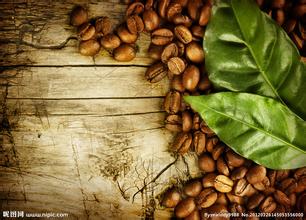
Guatemalan Specialty Coffee Origins and Brewing Guide
When you crave a rich, balanced cup with deep complexity and a hint of spice, it often points back to one origin: Guatemala. Once celebrated as home to some of the world’s finest coffees, the country saw its reputation dip—but it’s now making a steady comeback. So what makes Guatemalan coffee special, and how did it earn its legendary status among specialty roasters and drinkers alike?
The answer lies in its high-altitude, volcanic-soil-grown beans—especially the hard or strictly hard bean (SHB) types—that deliver full bodies, bright acidity, and layered flavors including notes of spice, tobacco, and citrus. These beans, particularly from regions like Antigua and Huehuetenango, continue to earn accolades for their exceptional cup quality.
The Origins of Guatemalan Coffee
Coffee arrived in Guatemala in 1750, introduced by Jesuit priests. By the late 19th century, German settlers had established a structured coffee industry. Today, most production is concentrated in the southern highlands, where the slopes of the Sierra Madre volcanoes provide optimal growing conditions at elevation. The region’s volcanic soil, cool temperatures, and consistent rainfall create ideal environments for producing high-quality arabica beans, especially those classified as Strictly Hard Bean (SHB).
These SHB beans are known for their dense, larger-than-average size, balanced acidity, and complex flavors that often include hints of spice, fruit, and chocolate. Guatemalan coffee also gained fame for its occasional giant beans—a curiosity that further distinguished it in global markets.
Guatemala’s Coffee Regions and Flavor Profiles
Not all Guatemalan coffee tastes the same. Key regions impart unique characteristics:
- Antigua: Home to the famed Hacienda Carmona and its top lot, El Pulcal. Antigua coffees are bold, wine-like, and tobacco-forward, with deeper complexity due to periodic volcanic ash enriching the soil. The last major eruption in the area occurred roughly every 30 years, replenishing nutrients naturally.
- Huehuetenango: One of the highest-altitude regions, producing bright, fruity, and complex cups. This area benefits from dry winds that protect crops from frost and allow for slow cherry maturation.
- Lake Atitlán, San Marcos, Palcía, Mataquescuintla, and Zacapa (La Uman) also contribute distinctive regional profiles.
The country’s coffee is largely controlled by private exporters, though the National Coffee Association (Asociación Nacional del Café) oversees regulation and development. Japan remains a key export market for Guatemala’s highest-grade beans, where they can sell for $3–$4 per cup.
The Rise, Fall, and Revival of Guatemalan Coffee
Guatemala was once among the world’s top coffee producers, but yields have since declined to around 700 kg per hectare—lower than El Salvador (900 kg/ha) and Costa Rica (1,700 kg/ha). Political instability and economic pressures have historically made farming difficult, especially for smallholders, many of whom are of Mayan descent.
To combat these issues, a $2.5 million U.S.-funded initiative called “The Project” encourages small-scale, high-quality production. It aims to reverse the industry trend of prioritizing quantity over quality. The project also promotes local processing over selling unprocessed cherries to middlemen, which can significantly improve both cup quality and farmer income.
One key focus is reviving traditional varieties like Bourbon. Though these trees grow taller and yield fewer cherries compared to modern dwarf hybrids, they consistently produce superior beans favored by specialty roasters. Encouraging farmers to process their own coffee on-site is another goal, helping add value and preserve quality.
How to Brew Guatemalan Specialty Coffee
To get the most from Guatemalan beans—especially the dense, hard-bean types—opt for a pour-over method such as V60 or Kalita Wave. Here’s a simple guide:
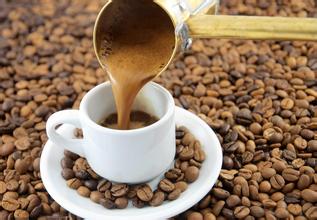
- Grind Size: Medium-fine (similar to table salt)
- Brew Ratio: 1:16 (e.g., 15g coffee to 240ml water)
- Water Temperature: 92–94°C
- Bloom: Start with a 30-second bloom using roughly double the coffee weight in water (e.g., 30g for 15g coffee)
- Total Brew Time: Aim for 2:30–3:00 minutes using a steady, controlled pour
The medium-to-high acidity and complex flavor notes—often featuring spices, citrus, floral tones, and a sweet finish—shine especially well in pour-over preparations. For a fuller body, consider using a French press or a medium roast profile.
Frequently Asked Questions
What makes Guatemalan coffee beans considered 'hard beans' or SHB?
Strictly Hard Bean (SHB) refers to coffee grown at elevations above 1,350 meters (4,400 feet). In Guatemala, these beans develop more slowly, resulting in denser, harder beans with brighter acidity and more complex flavors compared to lower-grown coffees.
Which Guatemalan coffee region is most famous for high-quality beans?
Antigua is the most renowned Guatemalan coffee region, known for producing bold, winey, and spicy cups. The volcanic soil and microclimates around the region’s historic haciendas, like Carmona, contribute to its elite reputation.
What flavors can I expect from a cup of Guatemalan specialty coffee?
Expect a balanced cup with medium-to-high acidity, medium body, and layered flavors that may include notes of spice, citrus, dark chocolate, nuts, tobacco, and floral or fruity undertones depending on the region and processing method.
Why has Guatemala’s coffee yield declined compared to other countries?
Guatemala’s coffee yield has dropped to around 700 kg per hectare, lower than El Salvador (900 kg) and Costa Rica (1,700 kg). Factors include political instability, economic challenges, and a historical focus on volume over quality in certain eras.
How can I best brew Guatemalan coffee to highlight its qualities?
Use a pour-over method like V60 or Kalita Wave with a medium-fine grind, 1:16 brew ratio, 92–94°C water, and a controlled 2:30–3:00 minute brew time. This highlights the beans’ bright acidity, complexity, and clean finish.
Recommended FrontStreet Beans for Guatemalan Style
For fans of Guatemalan coffee’s bold, spice-and-citrus profile, try FrontStreet’s BrazilBourbon: a medium roast with creamy texture, mild acidity, and notes of almond and caramel. Or explore ColombiaSidra: a juicy, complex cup with stone fruit and tropical hints from honey processing. Both offer balanced, layered profiles akin to high-end Guatemalan SHB beans. Freshly roasted within 5 days · Orders placed before 17:00 ship the same day · Next-day delivery across most of Guangdong Province.
FrontStreet Coffee is a long-established specialty coffee roaster in Guangzhou China, selling freshly roasted beans from its own farm in Yunnan as well as dozens of carefully selected single-origin beans from around the world for both pour-over and espresso. The products deliver consistently excellent quality and great value, with shipping within 24 hours. Guangzhou's FrontStreet Coffee shop is recommended by many coffee lovers, and the beans are now available online at the Tmall 。
Important Notice :
前街咖啡 FrontStreet Coffee has moved to new addredd:
FrontStreet Coffee Address: 315,Donghua East Road,GuangZhou
Tel:020 38364473