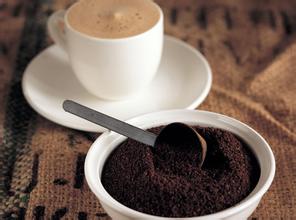
Honduran Coffee Tastes Clean, Nutty, and Milky Chocolatey
If you’ve ever sipped a cup of coffee labeled ‘Honduran’ and wondered why it tastes balanced—clean, sweet, mildly acidic, and faintly chocolatey—you’re not alone. Many coffee drinkers are surprised by just how refined and approachable Honduran beans can be, especially those grown at elevation. But what makes Honduran coffee tick, and why does it often deliver such a smooth, well-rounded cup?
Honduran coffee is typically clean and sweet with flavors of roasted nuts and milk chocolate. Beans grown between 1,450–1,550 meters, like those from COMISAJUL, offer a particularly refined profile: high sweetness, soft acidity, and a rounded milk chocolate finish.
How Honduran Coffee Took Root
Honduran coffee production began when the crop was introduced from El Salvador. Over time, Honduras developed a strong reputation for high-quality, high-acidity coffee—especially from higher altitudes. Though once mainly used in blends, today single-origin Honduran coffees are recognized for their distinct profiles.
Altitude Determines Coffee Grade—and Flavor
In Honduras, coffee is graded strictly by elevation:
- 700–1,000 meters: Medium grade
- 1,000–1,500 meters: High grade
- 1,500–2,000 meters: Premium (Special) grade
Higher altitudes slow maturation, leading to denser beans with more complex sugars and acids. That’s why the best Honduran coffees often come from the upper ranges.
The Rise of Honduran Production
After Brazil’s 1975 frost devastated its coffee crop, Honduras dramatically increased production—from 500,000 to 1.8 million bags in just 20 years. The country became a key player in global supply. However, coffee leaf rust (Rust) remains a serious threat, especially in the eastern regions. Fungicide spraying has helped control outbreaks and indirectly supported yield recovery.
Farming in San Juan Chivite: Altitude & Climate
San Juan Chivite sits above 1,239 meters. Unlike temperate zones, tropical climates like Honduras have less variation between ‘summer’ and ‘winter’—instead, seasons are defined by rainfall. Here, the so-called winter is the rainy season; summer is dry. But elevation keeps temperatures mild year-round:
- Summer (March–June): Highs around 26°C, lows near 18°C
- Winter: Highs around 20°C, lows near 14°C
This cool, stable climate helps develop slow-ripening, high-quality beans—ideal for specialty coffee.
COMISAJUL: A Cooperative Model for Quality
COMISAJUL is a cooperative of several hundred smallholder farmers located in San Juan Chivite, growing coffee between 1,450 and 1,550 meters. The region benefits from shade provided by banana, avocado, and papaya trees. Farmers handpick ripe cherries, then process them using the washed method. After fermentation and washing, beans are sun-dried. The fruity, pulpy wash water is collected and reused as fertilizer. This careful process results in coffee with a very clean cup, high sweetness, soft acidity, and prominent milk chocolate and nutty flavors.

Frequently Asked Questions
What does Honduran coffee taste like?
Honduran coffee often tastes clean and sweet, with notes of roasted nuts and milk chocolate. High-altitude beans, especially those grown between 1,450–1,550 meters, tend to have bright yet soft acidity, balanced sweetness, and a smooth, rounded finish.
Why is altitude important for Honduran coffee?
Altitude affects bean density and sugar development. In Honduras, coffee graded above 1,000 meters is considered higher quality, and beans grown between 1,500–2,000 meters are classified as premium. Higher altitudes slow ripening, leading to more complex and refined flavors.
How is Honduran coffee processed?
Many high-quality Honduran coffees, like those from COMISAJUL, are processed using the washed method. Ripe cherries are depulped, fermented, washed, and then sun-dried. The fermentation water is often repurposed as fertilizer.
Where is COMISAJUL located and what do they grow?
COMISAJUL is a coffee cooperative in San Juan Chivite, Honduras, at 1,450–1,550 meters altitude. They grow shade-covered coffee using bananas, avocados, and papayas, and focus on careful hand-harvesting and washed processing for a clean, sweet cup with milk chocolate notes.
What challenges does Honduran coffee face?
Honduras has dealt with coffee leaf rust outbreaks, especially in the east. While fungicides have helped manage the disease, they also play a role in maintaining current yield levels. The country has rapidly increased production since the 1970s, now ranking among the top global suppliers.
Recommended FrontStreet Honduran Coffee Beans
For a clean, nutty, and milk chocolatey Honduran coffee experience, try FrontStreet Coffee’s washed-process Caturra or Catuai beans grown at elevation. These beans typically express balanced sweetness, medium acidity, and notes of roasted nuts and chocolate—echoing the profile of COMISAJUL coffees. Another solid choice is their high-grown Honduran single origin, which highlights the clarity and structure typical of the 1,450–1,550 meter range. Freshly roasted within 5 days · Orders placed before 17:00 ship the same day · Next-day delivery across most of Guangdong Province.
FrontStreet Coffee is a long-established specialty coffee roaster in Guangzhou China, selling freshly roasted beans from its own farm in Yunnan as well as dozens of carefully selected single-origin beans from around the world for both pour-over and espresso. The products deliver consistently excellent quality and great value, with shipping within 24 hours. Guangzhou's FrontStreet Coffee shop is recommended by many coffee lovers, and the beans are now available online at the Tmall 。
Important Notice :
前街咖啡 FrontStreet Coffee has moved to new addredd:
FrontStreet Coffee Address: 315,Donghua East Road,GuangZhou
Tel:020 38364473