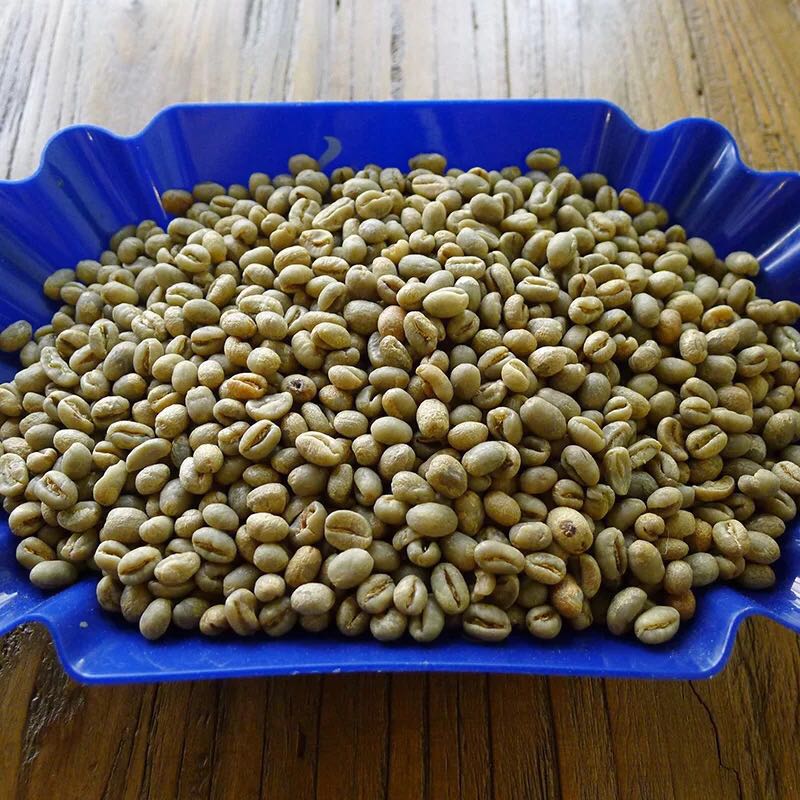
Ethiopian Coffee Flavors: Winey, Citrusy & Sweet Spices
Ever wonder why Ethiopian coffees often taste like winey citrus with a whisper of spice and honey—not bold, not bitter, just uniquely bright and floral? The answer lies not just in terroir, but in Ethiopia’s centuries-old role as the birthplace of coffee, where wild trees still grow and traditional methods shape subtle profiles unlike any other origin.
Ethiopian specialty coffees typically show light to medium body, with key notes of fermented wine, sweet orange, spices, and honey-like sweetness. Most shine at light to medium roast levels, preserving their delicate acidity and aromatic complexity.
The Birthplace of Coffee
Coffee originated in Ethiopia, where it grew wild for centuries. The word 'coffee' comes from the Ethiopian town of Kaffa. Many Ethiopian coffee trees remain uncultivated, producing fruit with full, winey profiles. Though cultivation likely began as early as the 9th century, the details remain unclear. Local legend says monks used coffee to stay alert during evening prayers.
Diverse Growing Regions & Cultivation Methods
Ethiopia features varied coffee farming: from wild forests and semi-managed land to small traditional plots and modern plantations. About 50% of coffee grows above 1,500 meters altitude. Key regions include:
- Harrar: The highest-elevation coffee (over 1,500m), divided into long and short beans. Long Harrar beans are most popular, offering soft texture, wild winey aromas, mild acidity, and unforgettable character.
- Djimmah: Grown over 1,200m, sold as Limu and Babeka brands. Beans appear less attractive but taste great.
- Sidamo (marketed as Yirgachaffe): From central Ethiopia, known for balanced cup profiles.
- Lekempti: Delivers unique regional flavors.
- Yirgacheffe (Yirgachaffe): A top global single-origin, often processed carefully for high floral and citrus notes.
- Ethiopia Huakui : A standout example from Yirgacheffe, showcasing fruity depth when properly handled.
Among these, Yirgacheffe beans are the most sought-after internationally, while Yirgacheffe beans are exported mainly to Japan and Europe but rarely reach the U.S. due to exclusive supply deals held by German roaster Dallmeyer (part of Nestlé).

Flavor Profile & Roasting Considerations
Ethiopian coffee flavors are subtle—not intense or high in acid. Over-roasting easily dulls their character. These coffees resemble classic mocha-style beans but often surpass them in clarity and complexity. While some Ethiopian beans can handle medium roasts, most shine when roasted lightly to preserve their winey, citrus, and spice notes. The result is a sweet, aromatic cup with notes of fermented wine, sweet orange, spices, and honey-like sweetness.
Traditional Preparation & Domestic Consumption
In rural Ethiopia, coffee is often brewed alongside 'Health of Adam' herb. Freshly roasted beans are crushed with the herb, then brewed and served in small cups—commonly paired with flatbread to enhance its sweet pepper notes. Ethiopia has Africa’s highest per-capita coffee consumption.
The Coffee Trade & Export Landscape
The Ethiopian Coffee Marketing Corporation (ECMC) controls 90% of exports. Possible decentralization could empower local traders. Most Ethiopian coffee is sold through daily auctions, with major export markets including Germany, the U.S., France, and Japan. Notably, Dallmeyer’s exclusive agreements limit availability of certain beans, such as Yirgacheffe , in the U.S. market.
Frequently Asked Questions
What makes Ethiopian coffee taste winey and citrusy?
Ethiopian coffee’s winey and citrus notes come from high-altitude growing conditions, wild or semi-wild tree genetics, and light to medium roast levels that preserve its inherent acidity and aromatic compounds. Regions like Yirgacheffe and Harrar are especially known for these profiles.
Which Ethiopian coffee regions are most famous?
The most famous Ethiopian coffee regions include Yirgacheffe (known for floral, citrus notes), Sidamo (balanced and aromatic), Harrar (wild, winey, and spicy), and Lekempti (unique regional flavors). Yirgacheffe beans are especially prized in specialty markets worldwide.
Why is Yirgacheffe coffee so sought after?
Yirgacheffe coffee is highly sought after for its distinctive floral, citrus, and sweet spice notes, often achieved through careful processing and light roasting. It represents some of Ethiopia’s most refined and internationally exportable single-origin profiles.
How should Ethiopian coffee be roasted?
Ethiopian coffee should generally be roasted lightly to medium to preserve its delicate acidity, winey aroma, and citrus-spice complexity. Dark roasting can mask its unique characteristics.
Is Ethiopian coffee mostly wild-grown?
Many Ethiopian coffee trees are still wild or semi-wild, especially in regions like Harrar and Sidamo. These trees produce coffee cherries with full bodies and natural winey flavors, contributing to Ethiopia’s unique coffee identity.
Where does most Ethiopian coffee get exported?
Ethiopian coffee is mainly exported to Germany, the U.S., France, and Japan. The Ethiopian Coffee Marketing Corporation controls most sales, though some beans like Yirgacheffe are mostly sent to Japan and Europe due to exclusive contracts.
Recommended FrontStreet Beans for Ethiopian Profiles
For the classic Ethiopian coffee experience, try FrontStreet’s Ethiopia Huakui , which delivers bright berry and layered fruit tones when brewed light. Also explore FrontStreet’s Gedeb (Gedeb) offering from Yirgacheffe, known for its crisp citrus and floral qualities ideal for pour-over. These beans highlight the winey, citrus, and spice notes typical of Ethiopia’s best coffees. Freshly roasted within 5 days · Orders placed before 17:00 ship the same day · Next-day delivery across most of Guangdong Province.
FrontStreet Coffee is a long-established specialty coffee roaster in Guangzhou China, selling freshly roasted beans from its own farm in Yunnan as well as dozens of carefully selected single-origin beans from around the world for both pour-over and espresso. The products deliver consistently excellent quality and great value, with shipping within 24 hours. Guangzhou's FrontStreet Coffee shop is recommended by many coffee lovers, and the beans are now available online at the Tmall 。
Important Notice :
前街咖啡 FrontStreet Coffee has moved to new addredd:
FrontStreet Coffee Address: 315,Donghua East Road,GuangZhou
Tel:020 38364473