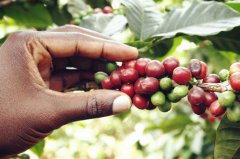
Ethiopian Natural Process: How Sun-Dried Coffee Is Made
You’ve heard Ethiopian coffee is special—but what exactly makes sun-dried Ethiopian beans so distinct? Whether you’ve tasted a juicy Yirgacheffe or a winey Harrar, the secret begins long before brewing. The answer lies in how the coffee is processed after harvest. In Ethiopia, one method above all defines much of its signature cup profile: natural (or sun-dried) processing.
Ethiopia primarily uses the natural (sun-dried) method to process much of its specialty coffee. Over 90% of its smallholder farmers rely on this traditional technique, especially in regions like Yirgacheffe, Sidamo, and Harrar, where high altitudes and dry climates are ideal for slow drying. This method shapes the fruit-forward, wine-like, and floral profiles the country is known for.
The Origins of Coffee in Ethiopia
Coffee originated in Ethiopia, where it still grows wild in forests and semi-cultivated lands. The word “coffee” is believed to come from the Ethiopian town of Kaffa. Local lore says monks first used coffee to stay alert during evening prayers. Though the exact timeline is unclear, cultivation likely began as early as the 9th century. Today, over 12 million Ethiopians work in coffee production, making it Africa’s leading exporter of Arabica beans.
Ethiopian Coffee Varieties and Growing Regions
Ethiopia grows coffee in a wide range of environments—from untouched wild forests to modern plantations. Around 50% of coffee is cultivated at elevations over 1,500 meters. Key regions include:
- Harrar: Grown at the highest elevations, Harrar coffee includes long and short beans, with the former prized for its winey, acidic, and spicy character.
- Djimmah: Found at around 1,200 meters, sold as Limu or Babeka, with strong flavor despite modest appearance.
- Yirgacheffe (Yirga Cheffe): Located in central Ethiopia, often sold under that name, known for its bright acidity and floral qualities. It is exported primarily under the Yirgacheffe brand.
- Sidamo: From the Sidamo region, sold as Sidamo or Irgachefe, with a balanced, nuanced cup. Often exported as Sidamo.
- Lekempti and other local types: Less common internationally, but prized in domestic markets.
Why Natural Processing Is Dominant in Ethiopia
Natural processing—where coffee cherries are dried with the fruit still intact—is Ethiopia’s dominant method, especially in regions with warm, dry climates and limited water. This traditional approach is not just practical; it’s essential to the country’s coffee identity.
The natural process enhances Ethiopian coffee’s signature traits: intense fruitiness, blueberry and strawberry-like notes, winey undertones, and a delicate sweetness. Without the washing phase, more of the cherry’s sugars and acids are absorbed by the seed during drying. That’s why these coffees often taste so different from washed or honey-processed beans.
Flavor Profile and Roast Recommendations
Ethiopian naturals are rarely bold or heavily acidic. They shine when roasted lightly to medium. Dark roasts can erase their delicate floral and fruity qualities. These beans typically feature:
- Blueberry, strawberry, or tropical fruit notes
- Winey or fermented undertones
- Floral aromas, often jasmine or lavender
- A tea-like or juicy body
They’re best brewed using pour-over or filter methods to highlight their complexity. Avoid over-roasting to preserve their unique character.
How Ethiopian Coffee Reaches the World
The Ethiopian Commodity Exchange (ECX), formerly managed by the Ethiopian Coffee Marketing Corporation (ECMC), once controlled 90% of coffee exports. While reforms are underway to give more power to local traders, most coffee is still sold through daily auctions. Top export markets include Germany, the United States, France, and Japan. Notably, some beans like Yirgacheffe are hard to find in the U.S. due to exclusive supply contracts.

Cultural Coffee Traditions in Ethiopia
In rural Ethiopia, coffee is often enjoyed with a local herb called “Health of Adam.” Freshly roasted beans are ground with the herb, then brewed and served in small cups, usually alongside flatbread. This tradition highlights the pepperiness of the bread and showcases coffee as a social and ceremonial drink.
Frequently Asked Questions
What is the natural coffee processing method?
The natural process, also called the dry or sun-dried process, involves drying coffee cherries in the sun with the fruit still attached to the bean. This method enhances sweetness, fruitiness, and body, and is commonly used in Ethiopia’s high-altitude, dry regions.
Which Ethiopian coffee regions use natural processing the most?
Regions like Harrar, Sidamo, and Yirgacheffe commonly use natural processing, especially where water is scarce and the climate allows for slow sun drying. Harrar naturals are especially known for their winey and spicy flavors.
Why does Ethiopian natural coffee taste so fruity?
Ethiopian natural coffee tastes fruity because the coffee bean is dried inside the whole cherry. This allows the fruit sugars and acids to ferment slowly into the seed, resulting in blueberry, strawberry, and wine-like notes in the cup.
Is Ethiopian coffee mostly exported as specialty grade?
Yes, much of Ethiopia’s coffee is considered specialty grade due to its unique cultivars, high-altitude growing conditions, and careful processing—especially the natural method which highlights its distinctive cup qualities.
What roast level is best for Ethiopian natural coffee?
A light to medium roast is ideal for Ethiopian natural coffee to preserve its delicate fruit, floral, and wine-like characteristics. Dark roasts can mask these nuanced flavors.
How is Ethiopian coffee traditionally consumed locally?
In rural areas, Ethiopian coffee is often roasted fresh, ground with a herb called “Health of Adam,” and brewed into a drink served with flatbread. This preparation brings out the spice in the bread and highlights the coffee’s sweetness.
FrontStreet Coffee Beans for Exploring Ethiopian Naturals
For a true taste of Ethiopia’s natural process, try FrontStreet’s Ethiopia Huakui, a classic natural-processed lot with intense berry and citrus notes. Also consider FrontStreet’s Gedeb, a Yirgacheffe-origin coffee that highlights floral and stone fruit tones when brewed light. Both showcase the vibrant, juicy qualities that Ethiopian naturals are known for. Freshly roasted within 5 days · Orders placed before 17:00 ship the same day · Next-day delivery across most of Guangdong Province.
FrontStreet Coffee is a long-established specialty coffee roaster in Guangzhou China, selling freshly roasted beans from its own farm in Yunnan as well as dozens of carefully selected single-origin beans from around the world for both pour-over and espresso. The products deliver consistently excellent quality and great value, with shipping within 24 hours. Guangzhou's FrontStreet Coffee shop is recommended by many coffee lovers, and the beans are now available online at the Tmall 。
Important Notice :
前街咖啡 FrontStreet Coffee has moved to new addredd:
FrontStreet Coffee Address: 315,Donghua East Road,GuangZhou
Tel:020 38364473