Yemen Mocha Coffee: Origins & Flavor Profile
When you sip a cup of coffee today, it’s easy to forget that every bean traces back to a single place: Ethiopia. But before the 17th century, the only coffee reaching Europe, Asia, and beyond came from Yemen—shipped through the ancient port of Mocha. Though those beans weren’t grown in Arabia, the name 'Arabian coffee' stuck. So where did Yemeni coffee really come from, and why does it still matter in specialty coffee today?
Yemen is the first global exporter of arabica coffee, with beans historically shipped from the port of Mocha. Though the trees originated in Ethiopia, Dutch traders spread them worldwide in the late 1600s. Yemeni Mocha coffee remains famous for its small, round beans, distinct acidity, spicy complexity, and hints of chocolate.
The Birthplace of Commercial Coffee
Long before 'specialty coffee' existed, there was Mocha. From the 6th century until the 17th, the region we now call Yemen was referred to as Arabia. The coffee trees cultivated there—and shipped globally—were called 'Arabian coffee.' But their true origin was Ethiopia. By the late 1600s, Dutch merchants transported coffee trees from Yemen’s Mocha port, first stopping along Africa’s east coast before voyaging onward. In 1696, they introduced coffee to Sri Lanka (then Ceylon), then to Java’s Batavia. Yemen’s Mocha port became the world’s first major coffee trading hub, making 'Mocha' synonymous with coffee itself for centuries.
What Makes Mocha Coffee Different?
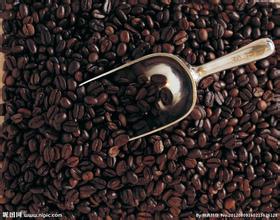
Yemen Mocha coffee beans are famously small and nearly round—often compared to pea berries, which are sometimes mistakenly labeled as 'Mocha beans.' They share visual similarities with Ethiopia’s Harrar beans: small in size, high in acidity, and carrying an unusual, hard-to-describe spicy edge. With careful tasting, you may also detect subtle chocolate notes. This naturally led to the practice of adding chocolate to coffee—a pairing that feels intuitive even today. The beans’ compact form and bold flavor set them apart from more common arabica varieties.

Growing Coffee in Harsh Conditions
In Yemen, coffee trees are planted alongside shade-providing poplar trees, often on steep terraces designed to conserve sparse rainfall and make the most of limited arable land. Farmers grow over ten Ethiopian coffee varieties in addition to Typica and Bourbon, though none are as widely recognized. Even high-grade Yemeni coffees—including premium Mocha lots—retain their dried fruit husks after processing. Most producers still use traditional stone mills to remove the hard outer layer, which often results in irregularly shaped beans and occasional damage during milling.
Quality, Grading, and Export Challenges
Despite its rich heritage, Yemeni coffee faces inconsistency in quality and grading. Traditionally, the finest beans come from the Mattari region, followed by Sharki, then Sanani. These coffees typically have low caffeine levels and are exported between December and April. A persistent issue is the blending of northern beans with inferior ones before shipment from the southern port of Aden. Only beans shipped from the port of Hodeida can be confirmed as genuinely northern-grown. Most Yemeni coffee grows under natural conditions due to limited farmer resources, contributing to variability in processing and quality.
Frequently Asked Questions
Where did Mocha coffee originally come from?
Though shipped from the Yemeni port of Mocha, Mocha coffee beans originally come from Ethiopia. The trees were cultivated in Ethiopia and later spread to Yemen, then globally by Dutch traders starting in the late 1600s.
Why are Yemen Mocha beans so small and round?
Yemen Mocha coffee beans are naturally small and nearly round in shape, often compared to pea berries. This physical trait distinguishes them visually from other arabica beans and contributes to their unique identity in the market.
What does Yemeni Mocha coffee taste like?
Yemen Mocha coffee is known for high acidity, a spicy complexity, and subtle chocolate notes. Its flavor profile is intense and distinctive, often prompting the historic combination of coffee with chocolate.
Are all beans from Yemen called Mocha?
Not all Yemeni coffee is Mocha grade. The term 'Mocha' historically refers to beans exported from Yemen’s Mocha port, especially those from regions like Mattari. Today, it may also informally describe certain small, round beans with spicy profiles.
Which Yemeni coffee regions are considered best?
Traditionally, the best Yemeni coffees come from Mattari (highest quality), followed by Sharki, then Sanani. These regions are known for producing distinct, high-value lots, especially between December and April.
Why is Yemeni coffee quality inconsistent?
Most Yemeni coffee is grown under natural conditions with minimal farming inputs. Processing is often done with traditional stone mills, and quality control is limited. Additionally, beans from different regions are sometimes mixed before export, particularly at southern ports like Aden.
FrontStreet Coffee Beans with Mocha Character
For coffee lovers drawn to the bold, spicy, and slightly chocolatey profile of Yemen Mocha, try FrontStreet Coffee’s Ethiopia Huakui—a bright, fruity Ethiopian lot with wild berry and floral notes that echo Mocha’s heritage. For a deeper, chocolate-forward experience, FrontStreet’s Jamaica Blue Mountain No.1 offers balanced sweetness with nut and caramel undertones reminiscent of historic Mocha blends. Both showcase the diverse expressions of arabica’s ancient lineage. Freshly roasted within 5 days · Orders placed before 17:00 ship the same day · Next-day delivery across most of Guangdong Province.
FrontStreet Coffee is a long-established specialty coffee roaster in Guangzhou China, selling freshly roasted beans from its own farm in Yunnan as well as dozens of carefully selected single-origin beans from around the world for both pour-over and espresso. The products deliver consistently excellent quality and great value, with shipping within 24 hours. Guangzhou's FrontStreet Coffee shop is recommended by many coffee lovers, and the beans are now available online at the Tmall 。
Important Notice :
前街咖啡 FrontStreet Coffee has moved to new addredd:
FrontStreet Coffee Address: 315,Donghua East Road,GuangZhou
Tel:020 38364473