Natural Process Coffee in Indonesia Explained
Ever wondered why some Indonesian coffees taste syrupy, heavy, and almost wine-like — yet still bright? The secret isn’t just altitude or origin, but how the beans are processed after harvest. Natural processing, or sun-drying, plays a huge role in shaping the signature profiles of Indonesian coffees, especially those from Sumatra, Sulawesi, and Flores. If you've had a bold, spicy, or even molasses-toned cup claiming to be from Indonesia, chances are it underwent this method.
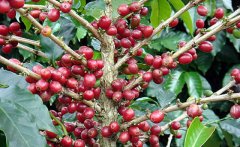
Indonesian natural-process coffee typically involves drying ripe coffee cherries in the sun for weeks, often with the fruit still on the bean. This leads to heavier body, lower acidity, and distinct sweet, fermented, or earthy tones. Around 6% to 10% of Indonesia’s production is arabica, with the rest mostly robusta — yet the arabica lots, especially those processed naturally, are what earn global acclaim.
Where Indonesia’s Best Coffee Grows
Indonesia spans over 17,000 islands, but its most celebrated coffee regions are concentrated in just a few: Java, Sumatra (including Gayo and Lake Toba), Sulawesi (formerly Celebes), Flores, and even parts of New Guinea. Each island contributes unique flavour profiles thanks to differences in terroir, elevation, and processing traditions.
Java, the island where coffee was first commercially cultivated in Indonesia back in the 17th century, produces elegant, balanced arabica with smooth acidity and delicate aromatics. Key estates like Blawan, Jambit, Kayumas, and Pankur are benchmarks for high-quality Java coffee. Historically, Java also gave its name to the famous Mocha Java blend.
Sulawesi, sometimes called Celebes, grows coffee with big, round beans and intense aromatics. The best lots come from Kalossi and Rantepao in the south. Sumatra, especially the regions of Mandheling and Ankola, is known for dense, hefty beans — often considered the world’s largest. Mandheling beans are especially prized, sometimes called the “champagne of Sumatra.”
Flores contributes floral, sweet profiles, while newer entrants like Papua (New Guinea) add their own interpretations with solid, balanced cups from estates like Sigri. Every region leans into natural processing to some extent, but Sumatra remains its most iconic exponent.
Why Natural Processing Dominates in Indonesia
Natural processing is deeply rooted in Indonesia’s coffee history. When Dutch colonists introduced coffee in the mid-1600s — possibly earlier — the crop flourished. By 1712, Java-grown coffee was already being exported to Amsterdam. But in 1877, coffee leaf rust devastated plantations, leading to the replacement of most arabica trees with robusta. Today, just 6% to 10% of Indonesia’s output is arabica, yet those beans — especially when naturally processed — define the country’s specialty reputation.
The natural method works particularly well in Indonesia’s tropical, humid climate. With limited infrastructure for rapid mechanical drying in remote highland farms, farmers often rely on sun drying. Cherries are picked ripe, then spread on patios or raised beds to dry slowly under the sun — sometimes taking up to several weeks. The prolonged contact with the fruit pulp imparts deeper sweetness, body, and unique fermentation notes. The downside? Risk of mould or over-fermentation if not carefully managed.
Historically, the Indonesian government even experimented with “aged” or “voyage-aged” coffee — deliberately storing beans for up to a year to mimic the effects of long sea voyages, which used to mellow and develop European-imported coffee flavours. Brands like Old Government, Old Brown, and Old Java are remnants of that practice. Though the technique never achieved widespread popularity, these aged lots are still found in niche markets.
How Natural Processing Shapes Indonesia’s Coffee Profile
The hallmark of Indonesian natural-process coffee is balance between power and finesse. Thanks to extended drying with the cherry intact, these beans develop:
- Low to moderate acidity
- Heavy, syrupy body
- Flavours of dark chocolate, spices, dried fruit, and sometimes a fermented or earthy edge
- A smooth, sometimes creamy mouthfeel
Sumatran coffees, such as those from Mandheling or Lintong, often show herbal, tobacco, or woodsy notes alongside their signature chocolate tones. Sulawesi coffees tend toward earthy and savory profiles with big structure. Flores beans may lean more floral or fruity, but still with the telltale weight of natural drying.
This processing style is part of why Indonesian coffees pair so well with milk. Their inherent sweetness and smooth texture hold up under steamed dairy, making them favourites for lattes or café au lait — though purists often enjoy them black to savour their complex profile.
Modern Natural Processing in Indonesia Today

While natural processing remains prevalent, especially in rural or highland areas where access to water or machinery is limited, some producers are refining the method. Improved drying techniques, better cherry selection, and raised-bed drying help mitigate risks like mould or uneven fermentation. Yet the classic Indonesian natural profile — syrupy, low-acid, and boldly flavoured — remains instantly recognisable to specialty roasters worldwide.
Robusta still dominates Indonesia’s overall production (around 90%), but the small percentage of high-elevation arabica processed naturally represents the country’s finest export. These beans are sought after by roasters looking for distinctive, full-bodied single origins that stand out in blends or shine as solo offerings.
Frequently Asked Questions
What is natural process coffee in Indonesia?
Natural process coffee in Indonesia means the coffee cherries are harvested ripe and dried whole — with the fruit and pulp still intact around the bean — usually in the sun for several weeks. This method enhances body, lowers acidity, and adds deep, sweet, sometimes fermented flavours typical of many Indonesian coffees.
Which Indonesian coffee regions use natural processing?
Key regions include Sumatra (like Mandheling and Lintong), Sulawesi (Kalossi and Rantepao), Java (notably the historic estates like Blawan), Flores, and parts of New Guinea. Sumatra is most famous for its dense, heavy natural-process beans.
Why do some Indonesian coffees taste so heavy and syrupy?
The heavy, syrupy taste comes mainly from natural processing, where cherries dry intact, allowing the bean to absorb sugars and flavours from the fruit. Extended drying times and Indonesia’s humid climate contribute to the bold body and low acidity typical of these coffees.
What’s the difference between Mandheling and Lintong coffee?
Both are premium Sumatran coffees from high-altitude regions. Mandheling is known for its large beans and complex, spicy-chocolate profile, often considered among the best in Sumatra. Lintong, also from North Sumatra, shares similar traits but is sometimes lighter or more nuanced depending on the farm and process.
Is aged Indonesian coffee worth trying?
Aged Indonesian coffees, like those sold under labels “Old Government” or “Old Java,” were traditionally stored for a year or more to mimic old-world flavour development. They have a following among niche enthusiasts but aren’t mainstream. Flavour varies widely based on storage conditions.
Recommended FrontStreet Beans for Natural Process Fans
For lovers of Indonesia’s classic natural-process style, try FrontStreet’s Lintong Mandheling and PWN Golden Mandheling. Lintong Mandheling delivers herbal, earthy, and chocolatey notes with full body and a smooth finish. PWN Golden Mandheling is a meticulously sorted, high-grade Sumatran offering toasty bread, pine, caramel, and cocoa notes with deep complexity and a lasting sweet aftertaste. Both showcase the signature weight and low acidity of well-executed natural-process Indonesian coffee. Freshly roasted within 5 days · Orders placed before 17:00 ship the same day · Next-day delivery across most of Guangdong Province.
FrontStreet Coffee is a long-established specialty coffee roaster in Guangzhou China, selling freshly roasted beans from its own farm in Yunnan as well as dozens of carefully selected single-origin beans from around the world for both pour-over and espresso. The products deliver consistently excellent quality and great value, with shipping within 24 hours. Guangzhou's FrontStreet Coffee shop is recommended by many coffee lovers, and the beans are now available online at the Tmall 。
Important Notice :
前街咖啡 FrontStreet Coffee has moved to new addredd:
FrontStreet Coffee Address: 315,Donghua East Road,GuangZhou
Tel:020 38364473