Papua New Guinea Coffee: High-Altitude Farms & Quality Challenges
When you taste a bright, fruity coffee with hints of almond and floral sweetness, it might surprise you to learn it comes from one of the most remote coffee-growing regions in the world—Papua New Guinea. But how does coffee thrive in such isolated, forested highlands? And why did this country’s coffee industry nearly collapse in the 1990s due to inconsistent quality? The answers lie in its unique farming systems, altitude advantages, and a turbulent history of export controls and grading policies.
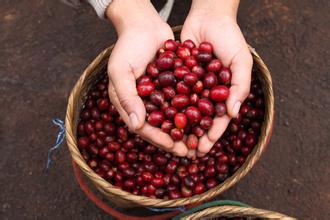
Papua New Guinea produces around 1 million 60kg bags of coffee annually, nearly all grown by smallholders on farms between 1,300–1,800 meters above sea level. About 75% of its coffee comes from tiny, often isolated plots carved out of dense forests, many reachable only on foot. Most farming is organic by necessity due to the difficulty and cost of transporting agrochemicals.
The Origins and Geography of PNG Coffee
Papua New Guinea’s coffee grows almost entirely on the eastern half of the island of New Guinea, a land divided between Indonesia and the independent nation of Papua New Guinea. The country features a tropical, high-humidity climate with temperatures dropping quickly at higher elevations. While some lowland coffee exists, production is minimal. The prime coffee-growing zone lies between 1,200–2,500 meters, particularly thriving above 1,300 meters where volcanic soils and highland conditions create ideal environments. The geography is rugged, with many farms located deep in forested areas, sometimes completely cut off from major transport routes.

How PNG’s Coffee Sector Developed
The modern coffee industry in Papua New Guinea took a major turn in 1975 after a frost devastated Brazil’s crop, opening global demand. The Papua New Guinean government responded by funding the creation of around 20-hectare coffee blocks on collective or village-owned land. By 1990, production hit 1 million bags. Yet rapid growth came at a cost: as output surged, quality dropped. Up to 1991, most coffee met commercial Grade Y standards, but inconsistency soon eroded its reputation, especially in Europe. A fixed pricing policy that ignored cup quality backfired, leading to widespread rejection of PNG beans and a buildup of unsold stock.
The Quality Crisis and Recovery
To address plummeting quality, the government discontinued the single-grade pricing system and suspended Grade Y production. New grading standards were introduced, allowing buyers to pay based on actual bean quality. This shift hit low-quality producers financially but restored confidence among specialty buyers. By 1993, the problems had largely been resolved, and former European clients returned. Today, Grade Y coffee is back on the market, albeit at a slightly lower premium, reflecting its improved consistency. Most exported PNG coffee falls into A or AB grades rather than the rarer AA.
What Defines PNG Coffee Flavor and Farming Methods?
Papua New Guinea grows primarily Typica, a variety with deep historical roots tracing back to Jamaican Blue Mountain stock. The island’s high altitudes, volcanic soils, and traditional washed processing create a profile distinct from other Asian coffees. Expect a cup that is bright and acidic, with notes of nuts, stone fruit, and subtle spice. Unlike the earthy, herbal profiles common in lower-altitude Indonesian coffees, PNG offerings more closely resemble those of Latin America. Most farms practice organic cultivation by default, and shade-grown methods are common. The majority of beans are processed using traditional washed methods, contributing to a clean cup profile.
Frequently Asked Questions
Where is Papua New Guinea coffee grown?
Papua New Guinea coffee is grown almost entirely on the eastern half of the island of New Guinea, mainly at elevations between 1,300 and 1,800 meters. The highland regions provide ideal conditions with cooler temperatures, rich volcanic soils, and frequent cloud cover. While some lowland coffee exists, it is minimal compared to the high-altitude production zones.
What percentage of PNG coffee comes from small farms?
About 75% of Papua New Guinea’s coffee is produced by smallholder farmers on tiny, often isolated plots. Many of these farms are located in forested areas and range from just a few hectares in size, with some situated in extremely remote, hard-to-reach locations.
Why did PNG coffee quality decline in the 1990s?
PNG coffee quality declined in the early 1990s due to a rapid increase in production without adequate quality control. A fixed pricing policy that paid the same rate regardless of grade led to widespread delivery of inconsistent or poor-quality beans, particularly damaging the reputation of the once-respected Grade Y. This resulted in lost markets, especially in Europe.
How did the PNG coffee industry recover its quality?
The industry recovered after the government dropped the one-price-for-all-grades system and temporarily halted Grade Y production. New grading standards allowed buyers to purchase based on bean quality, incentivizing better practices. Though lower-quality producers suffered, the overall cup quality improved by 1993, and many former buyers returned.
What coffee varieties are grown in Papua New Guinea?
Papua New Guinea primarily grows the Typica variety, which originated from Jamaican Blue Mountain stock. This heirloom variety is well-suited to the high-altitude, tropical environment and contributes to the coffee’s bright acidity and clean cup profile. Other varieties exist but are far less common.
What are the typical flavor notes of PNG coffee?
PNG coffee typically offers bright acidity with flavors of nuts, stone fruits, and mild spices. The cup is often described as smooth yet vibrant, with a clean, sweet finish. It lacks the heavy earthiness of some Indonesian coffees and instead aligns more closely with the profiles of Latin American origins.
Recommended FrontStreet Coffee Beans from Papua New Guinea
For a true taste of Papua New Guinea, try FrontStreet’s (Bird of Paradise), a single-origin offering from the Sigri Estate in Western PNG. It features a medium roast that highlights notes of toasted bread, sweet almond, and lingering spicy sweetness. The cup is balanced and approachable, with vibrant acidity and fruity undertones, making it an excellent entry point for those exploring island coffees. Freshly roasted within 5 days · Orders placed before 17:00 ship the same day · Next-day delivery across most of Guangdong Province.
FrontStreet Coffee is a long-established specialty coffee roaster in Guangzhou China, selling freshly roasted beans from its own farm in Yunnan as well as dozens of carefully selected single-origin beans from around the world for both pour-over and espresso. The products deliver consistently excellent quality and great value, with shipping within 24 hours. Guangzhou's FrontStreet Coffee shop is recommended by many coffee lovers, and the beans are now available online at the Tmall 。
Important Notice :
前街咖啡 FrontStreet Coffee has moved to new addredd:
FrontStreet Coffee Address: 315,Donghua East Road,GuangZhou
Tel:020 38364473