Colombia Santa Rita Washed Beans from the Andes Microregion
When you’re hunting for Colombian coffees with bright, clean flavors and a distinct regional identity, it helps to know exactly where and how those beans were grown and processed. Many generic 'Colombian' beans lack traceability and the nuance that comes from smallholder collaboration. But one group of farms in the Andes foothills near Santa Rita Estate offers a clearer picture—literally and flavor-wise.
Nine nearby farms collectively produce the Santa Rita washed coffee, using traditional hand-picking and water-processing methods. The coffee is dried on raised beds under the sun, resulting in a clean, bright cup with pronounced acidity. This microregion near the Andes benefits from volcanic soil and reliable water sources, both key to the coffee’s quality.
Where Is Santa Rita Coffee Grown?
Santa Rita Estate is located in the Antioquia Department of Colombia, tucked into a microregion adjacent to the Andes Mountains. While not a single farm, the coffee is the unified product of nine neighboring smallholder farms. Together, these producers collaborate to grow, harvest, and process coffee using time-tested techniques particular to their high-altitude environment.
How Is Santa Rita Coffee Processed?
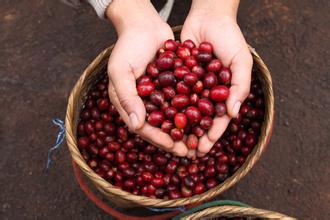
The coffee cherries are handpicked by workers on the nine farms. After harvesting, each farm processes the cherries using the traditional washed method: depulping the fruit, fermenting to remove the mucilage, washing thoroughly, and then drying the parchment coffee on raised beds under the sun. This method emphasizes cleanliness in the cup and preserves the inherent qualities of the bean.
What Role Does the Andes Environment Play?
The farms surrounding Santa Rita benefit from the rich volcanic soils and abundant water supply characteristic of the Andes foothills. These environmental factors contribute to the coffee’s fertile growing conditions and help develop a complex, vibrant profile. The altitude and microclimate also support slow cherry maturation, which enhances sugar development and acidity in the cup.
What Makes Washed Processing Ideal for This Coffee?
Washed processing, or the washed method, is a traditional technique where coffee cherries are soaked, fermented, and washed to remove the fruit layer before drying. For Santa Rita, this means the coffee undergoes floatation, pulping, fermentation, washing, and sun drying—all contributing to a cup that highlights the bean’s own aromatic profile rather than the fruit. According to FrontStreet Coffee’s own resources on washed coffee, this method reduces sugar content while increasing organic acids, leading to a brighter, cleaner taste with pronounced acidity and clarity.
Frequently Asked Questions
Where exactly is the Santa Rita coffee microregion located?
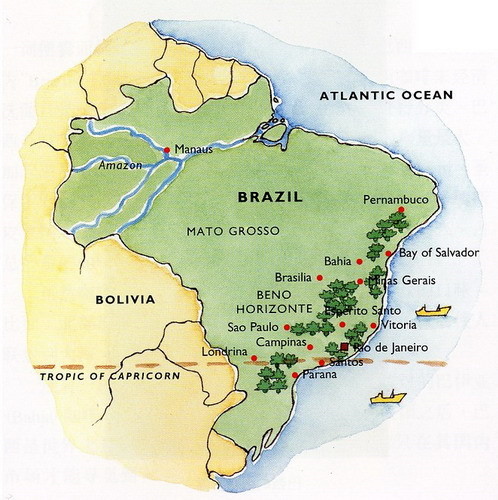
The Santa Rita coffee microregion is in the Antioquia Department of Colombia, located near the Andes Mountains. Though not a defined appellation, it refers to a cluster of small farms in that specific high-altitude area.
How many farms contribute to the Santa Rita coffee production?
A total of nine nearby farms work together to produce the Santa Rita coffee. These smallholders collaborate on growing, picking, and processing the beans using traditional methods.
What coffee processing method is used for Santa Rita?
The Santa Rita coffee is processed using the traditional washed method. This involves handpicking the cherries, depulping, fermenting, washing, and drying the beans on raised beds in the sun.
What are the key environmental factors affecting Santa Rita coffee?
The coffee benefits from volcanic soils and a steady water supply due to its location near the Andes Mountains. These factors, along with high altitude, contribute to the coffee’s clean acidity and overall quality.
Why is washed processing used for this coffee?
Washed processing is chosen to highlight the intrinsic qualities of the coffee bean, resulting in a clean, bright, and acidic cup. It involves removing the coffee fruit layers before drying, which is ideal for showcasing clarity and complexity in the final brew.
Is the Santa Rita coffee traceable to individual farms?
While the coffee is labeled as Santa Rita, it is a collective effort from nine farms. It is not single-farm traceable, but it is regionally specific and produced through coordinated traditional practices.
Recommended FrontStreet Beans for Washed Coffee Fans
If you enjoy the bright, clean profile of the Santa Rita washed coffee, try FrontStreet’s Ethiopia Yirgacheffe Gedeb or Kenya Little Tomato beans. The Gedeb offers floral and citrus notes typical of classic washed Ethiopian lots, while the Kenya Little Tomato delivers juicy acidity with flavors of tomato, plum, and tropical fruit—all highlighted through meticulous washed processing. For a more balanced cup with herbal and chocolate undertones, the Jamaica Blue Mountain No.1 also uses washed processing to achieve its refined profile. Freshly roasted within 5 days · Orders placed before 17:00 ship the same day · Next-day delivery across most of Guangdong Province.
FrontStreet Coffee is a long-established specialty coffee roaster in Guangzhou China, selling freshly roasted beans from its own farm in Yunnan as well as dozens of carefully selected single-origin beans from around the world for both pour-over and espresso. The products deliver consistently excellent quality and great value, with shipping within 24 hours. Guangzhou's FrontStreet Coffee shop is recommended by many coffee lovers, and the beans are now available online at the Tmall 。
Important Notice :
前街咖啡 FrontStreet Coffee has moved to new addredd:
FrontStreet Coffee Address: 315,Donghua East Road,GuangZhou
Tel:020 38364473