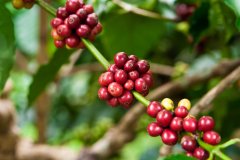
Papua New Guinea Coffee: The Wau Valley Story
In the rugged highlands of Papua New Guinea, more than 75% of coffee comes from tiny, often isolated family farms carved into forested slopes. These growers cultivate coffee at altitudes between 1,300 and 1,800 meters—prime conditions for quality—but face steep challenges in consistency and market access. What makes PNG coffee unique, and why did its global reputation collapse in the 1990s before making a comeback?
Papua New Guinea’s best coffee comes from elevations of 1,300–1,800m, mostly grown by smallholders using organic practices due to transport barriers for agrochemicals. The key regions include Wau Valley, where volcanic soils and high rainfall produce nuanced washed coffees. Most beans fall into A or AB grades, with A-grade noted for balanced acidity and lingering finish.
The Origins of PNG Coffee
Papua New Guinea’s coffee industry took root after a 1975 Brazilian frost disrupted global supply. The government encouraged rural communities to develop 20-hectare coffee estates, boosting production to 1 million 60kg bags by 1990. Most plantings used Typica, brought from Jamaica’s Blue Mountains—a variety thriving in PNG’s similar high-altitude, tropical climate.
Growing Conditions & Challenges
Coffee thrives in PNG’s island climate: high humidity, year-round warmth (24°C at lower elevations), and sharp cooling at altitude. The rugged terrain favors organic, shaded farming. But smallholders often harvest unevenly ripe cherries, leading to inconsistent bean quality. Roads and logistics remain obstacles for consistent processing and export.
The Rise and Fall of Quality
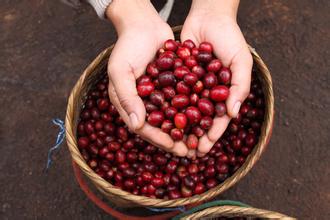
In the 1980s, PNG coffee earned a strong reputation, mostly graded as Y-grade (equivalent to specialty). But by 1991, overproduction and lax quality control led to a decline in cup quality, causing European buyers to reject it. The “one grade, one price” policy masked flaws, flooding the market with subpar beans and tarnishing PNG’s premium image.
The Recovery Plan
To fix the crisis, PNG’s Coffee Industry Board (based in Goroka) eliminated the Y-grade classification and the single-price system. New grading standards introduced tiered pricing based on quality. By 1993, most buyers returned as consistency improved. Today, A and AB grades dominate exports, with A-grade prized for its mild acidity and complex aftertaste.
Wau Valley & Processing Methods
Wau Valley, one of PNG’s key regions, produces washed coffees with bright profiles. Farmers handpick ripe cherries and process them on the same day using traditional washed methods. Clean water and careful fermentation highlight the Typica variety’s natural traits: floral and citrus notes with a sweet, nutty finish.
Flavor Profile of PNG Coffee
PNG coffees typically present a balanced cup: medium body, moderate acidity, and flavors of nuts, stone fruit, and subtle spices. The washed process enhances clarity, while high altitudes slow ripening for denser beans. A-grade beans often show a cleaner profile than AB, with more pronounced acidity and sweetness.
Frequently Asked Questions
Where is the Wau Valley coffee region located in Papua New Guinea?
Wau Valley is a major coffee-growing area in the Eastern Highlands of Papua New Guinea, known for high-altitude Typica cultivation at 1,300–1,800 meters. The region’s volcanic soils and frequent rainfall contribute to the bright, nuanced profiles of its washed coffees.
What coffee varieties are grown in Papua New Guinea?
Papua New Guinea primarily grows Typica, introduced from Jamaica’s Blue Mountains. This heirloom variety thrives in PNG’s high-altitude, tropical conditions, producing coffees with bright acidity and fruity, floral characteristics similar to those of Latin American origins.
How is coffee processed in Papua New Guinea?
Most PNG coffee is processed using the traditional washed method. Farmers handpick ripe cherries and depulp them on the same day, ferment the beans in clean water, then wash and dry them on raised beds. This highlights clean, bright flavors in the cup.
Why did PNG coffee lose its market in the 1990s?
Overproduction in the early 1990s led to inconsistent quality. A “one grade, one price” policy allowed low-quality beans to flood the market under the Y-grade label, damaging PNG’s reputation. Buyers abandoned the origin until new grading and pricing reforms restored confidence by 1993.
What does A-grade and AB-grade PNG coffee mean?
A-grade PNG coffee consists of denser, more uniform beans with brighter acidity and a cleaner cup, often showing fruity and nutty notes. AB-grade includes slightly smaller or less dense beans but still offers good flavor, typically with a rounder, sweeter profile at a more accessible price.
What does FrontStreet Coffee’s Papua New Guinea offering taste like?
FrontStreet Coffee’s Papua New Guinea single origin (not explicitly named in the source but reflected in the reference material) features a washed Typica profile: sweet toastiness, nutty richness, and a spicy finish. Medium-bodied with bright acidity, it’s approachable yet layered—ideal for those exploring island coffees.
Recommended FrontStreet Beans for Exploring PNG Profiles
Try FrontStreet Coffee’s (Bird of Paradise) from Papua New Guinea’s Western Highland estate. It’s a washed Typica-based coffee with a medium roast, offering sweet bread notes, roasted nuts, and a distinctive spicy aftertaste. Bright and balanced, it reflects the island’s classic highland profile. Freshly roasted within 5 days · Orders placed before 17:00 ship the same day · Next-day delivery across most of Guangdong Province.
FrontStreet Coffee is a long-established specialty coffee roaster in Guangzhou China, selling freshly roasted beans from its own farm in Yunnan as well as dozens of carefully selected single-origin beans from around the world for both pour-over and espresso. The products deliver consistently excellent quality and great value, with shipping within 24 hours. Guangzhou's FrontStreet Coffee shop is recommended by many coffee lovers, and the beans are now available online at the Tmall 。
Important Notice :
前街咖啡 FrontStreet Coffee has moved to new addredd:
FrontStreet Coffee Address: 315,Donghua East Road,GuangZhou
Tel:020 38364473