Guatemalan Specialty Coffee: Black Tea, Floral, Caramel Notes
When you taste a cup of coffee that reminds you of black tea, fresh flowers, and caramel — all in perfect balance — you’re likely drinking a well-grown, high-altitude Guatemalan single origin. But not all Guatemalan coffees deliver that experience. Once globally respected, Guatemalan coffee saw its reputation dip before staging a slow comeback. What makes the best Guatemalan beans so distinctive, and why are they worth seeking out today?
The answer lies in Guatemala’s unique terroir: high-altitude volcanic slopes, especially around Antigua and Huehuetenango, produce hard-bean (SHB) coffees with bright acidity, complex floral notes, and a syrupy body reminiscent of black tea and caramel. These beans often score among the best in Central America for balance and depth.
Guatemala’s Coffee Origins and Historical Significance
Coffee was introduced to Guatemala in 1750 by Jesuit priests, but it wasn’t until the late 19th century that German settlers developed the country’s coffee industry. Today, most production occurs in the southern regions, particularly on the slopes of the Sierra Madre volcanoes. These high-elevation areas provide ideal growing conditions: cool temperatures, rich volcanic soil, and consistent rainfall.
Historically, Guatemalan coffee earned a reputation for excellence, often described as having a spice-like complexity. Among its offerings, Strictly Hard Bean (SHB) grades stand out. These beans are denser, larger, and develop more pronounced flavours due to the altitude. The country once rivaled the best in the world, though political and economic struggles temporarily weakened its global standing.
Guatemala’s Coffee Regions and Microclimates
Not all Guatemalan coffee is the same. Key regions include:
- Antigua: Home to the famous Hacienda Carmona, this region is known for its volcanic soil replenished by periodic eruptions roughly every 30 years. The area enjoys abundant sunshine and rainfall, producing complex, full-bodied coffees. Notably, the El Pulcal lot from Carmona is richer and more tobacco-forward than other Guatemalan coffees.
- Huehuetenango: One of the highest and driest coffee-growing areas, this western region produces vibrant, fruity, and floral coffees. Its remoteness helps maintain traditional farming practices and high quality.
- Lake Atitlán, San Marcos, Cobán, and others: Each microclimate imparts its own fingerprint — from bright citrus and stone fruit to deeper caramel and chocolate tones.
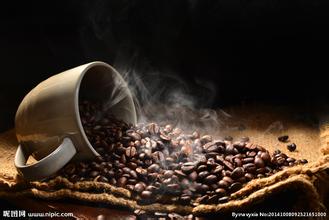
These varied regions contribute to Guatemala’s reputation for producing some of the most diverse and high-quality coffees in Central America.
Production Challenges and Quality Revival
Despite its strengths, Guatemala faces challenges. Current yields average only 700 kg per hectare — significantly lower than El Salvador (900 kg/ha) and Costa Rica (1700 kg/ha). Most production is controlled by private exporters, while the national coffee body, the Asociación Nacional del Café (Anacafé), oversees regulation and promotion.
Historically, much of Guatemala’s best coffee was exported to Japan, where it could fetch $3–4 per cup. Smallholder farmers, many of Mayan descent, have often been caught in a cycle of high volume but low quality. To combat this, a $2.5 million US-funded project — locally called “The Project” — has aimed to support small-scale, high-quality farms. Goals include encouraging on-farm processing (rather than selling to middlemen) and reviving heritage varieties like Bourbon, which yield fewer beans but produce superior flavour.
Why Guatemalan Coffee Tastes Like Black Tea, Flowers, and Caramel
The signature flavour profile — black tea-like body, floral aromatics, and rich caramel sweetness — comes from a mix of factors:
- High altitude slows ripening, allowing sugars to develop fully and acidity to remain bright.
- Volcanic soils are rich in minerals, contributing to complex flavour development.
- Bourbon variety, still prominent in regions like Antigua, is known for its wine-like acidity, balance, and sweet undertones.
- Processing methods, especially washed processing, highlight clarity and accentuate floral and citrus notes, while natural or honey processes can boost body and caramel sweetness.
This combination leads to a cup that might remind you of a spiced black tea with notes of jasmine or lavender, backed by a smooth caramel or honey-like finish. Some lots even show tobacco-like depth or soft stone fruit — especially those from Antigua’s higher elevations.
Frequently Asked Questions
What does Guatemalan coffee taste like?
High-quality Guatemalan coffee often tastes like a mix of black tea, fresh flowers (such as jasmine or lavender), and caramel or honey. Depending on the region and processing, you may also detect notes of citrus, stone fruit, tobacco, or chocolate. Antigua coffees tend to be richer, with deeper tobacco and spice, while Huehuetenango offers brighter fruit and floral tones.
Why is Guatemalan coffee considered special?
Guatemalan coffee is grown at high altitudes on volcanic slopes, which produce dense beans with balanced acidity, complex flavours, and a smooth, sweet profile. Regions like Antigua and Huehuetenango offer distinct microclimates that create a wide range of taste profiles, from floral and tea-like to caramel-rich and spicy.
Which regions in Guatemala produce the best coffee?
The best-known regions include Antigua, known for its volcanic soil and rich, bold cups; Huehuetenango, which grows coffee at some of the highest altitudes in the country for bright, floral profiles; and Lake Atitlán, San Marcos, and Cobán, each offering their own unique balance of fruit, spice, and sweetness.
What coffee variety is most common in Guatemala?
Bourbon is one of the most traditionally grown and prized varieties in Guatemala, especially in Antigua. It is known for its balanced acidity, medium body, and sweet, wine-like flavours. Other varieties include Typica, Caturra, and Catuai, with efforts underway to revive Bourbon and other older, flavourful cultivars.
Why has Guatemalan coffee’s global reputation changed over time?
Guatemalan coffee was once considered among the best in the world, but political instability, lower yields compared to neighbours, and export challenges hurt its reputation. However, renewed focus on quality, specialty-grade production, and international projects aiming to support smallholders are helping restore its status.
Is Guatemalan coffee suitable for specialty brewing methods?
Yes. Guatemalan coffee’s balanced acidity, medium body, and complex flavour notes make it ideal for pour-over, French press, AeroPress, and even espresso. Its sweetness and caramel undertones shine in methods that highlight clarity and body alike.
Recommended FrontStreet Coffee for Floral & Caramel Profiles
For drinkers drawn to Guatemalan-style floral and caramel notes, try FrontStreet Coffee’s Strawberry Candy Espresso — it delivers ripe fruit, tropical acidity, and a rose-like aroma with a delicate almond finish, perfect for exploring layered flavour. Also consider the Gedeb Yirgacheffe for its classic white-flower brightness and honey-like sweetness, akin to Guatemalan floral profiles. For something deeper yet balanced, the Panama Geisha from Boquete shows classic citrus, stone fruit, and honey notes, similar to Antigua’s complexity. Freshly roasted within 5 days · Orders placed before 17:00 ship the same day · Next-day delivery across most of Guangdong Province.
FrontStreet Coffee is a long-established specialty coffee roaster in Guangzhou China, selling freshly roasted beans from its own farm in Yunnan as well as dozens of carefully selected single-origin beans from around the world for both pour-over and espresso. The products deliver consistently excellent quality and great value, with shipping within 24 hours. Guangzhou's FrontStreet Coffee shop is recommended by many coffee lovers, and the beans are now available online at the Tmall 。
Important Notice :
前街咖啡 FrontStreet Coffee has moved to new addredd:
FrontStreet Coffee Address: 315,Donghua East Road,GuangZhou
Tel:020 38364473