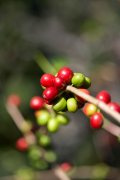
Yemen Mocha Coffee Flavor Profile: Floral, Apple, Nut, Cane
When you taste a cup that’s floral, crisp like green apple, with underlying notes of nutty wood and sweet cane, you’re likely experiencing Yemen Mocha — one of the most historically significant and terroir-driven coffees in the world. But what makes it taste so distinct? The answer lies in its Ethiopian roots, centuries-old cultivation methods, and the challenging yet character-building way it’s processed and exported.
Yemen Mocha coffee typically presents bright acidity with a complex profile including floral, apple, walnut, and sugarcane. The beans are small and irregular, often damaged during traditional stone milling, which adds to their unique cup character. Flavors vary by region, with Mattari considered the most prized.
The Origins of Mocha Coffee
The term ‘Mocha’ coffee originates from the port city of Mocha (Al-Makha) in Yemen. Long before the 6th century, the region was known as Arabia, and so the coffee grown there was called ‘Arabian coffee.’ However, these coffee trees were actually brought from Ethiopia. By the late 17th century, Dutch traders had transported Yemeni-grown coffee trees to Sri Lanka (then Ceylon) and Java (Batavia), spreading what we now know globally as Arabica coffee.

What Makes Yemen Mocha Coffee Different?
Yemen Mocha coffee beans are notably small and nearly round, resembling pea berries — some even confuse the two. Their appearance is similar to Ethiopian Harrar beans. These beans are known for high acidity, a strange and indescribable spiciness, and often a subtle chocolate note. This natural chocolate hint is believed to be one inspiration for adding chocolate to coffee drinks.
Yemeni farmers traditionally grow trees like poplars alongside coffee plants to provide shade on steep terraced farms. These farms make efficient use of limited rainfall and poor soil. In Yemen, over ten Ethiopian coffee varieties are cultivated besides Typica and Bourbon. Yet even high-quality Yemeni lots like top-grade Mocha often have dried fruit still attached to the bean due to traditional sun drying. Additionally, rough stone mills are commonly used to remove the husk, resulting in irregularly shaped and sometimes chipped beans.
Flavor Profile and Regional Variations
Yemen Mocha coffee is celebrated for its smooth, aromatic profile with complex tasting notes. Common descriptors include:
- Floral
- Green apple
- Walnut or (nutty wood)
- Sugarcane
Different regions in Yemen produce beans with varying qualities. Historically, the most esteemed come from Mattari, followed by Sharki, and then Sanani. Mattari beans are especially valued for their unique cup profile. These coffees are also naturally low in caffeine and are typically harvested and exported between December and April.
Challenges in Yemeni Coffee Production
Despite its exceptional cup quality, Yemeni coffee faces issues with inconsistent quality and undefined grading standards. A longstanding problem involves the mixing of high-quality northern beans with inferior ones before export, especially when shipped through the southern port of Aden. Only coffee shipped from the port of Hodeida can be confirmed to originate from northern growing regions.
Most Yemeni coffee is grown with minimal external inputs due to limited funding among smallholder farmers. The lack of infrastructure and modern processing equipment contributes to the country’s unique but sometimes variable coffee quality.
Frequently Asked Questions
What does Yemen Mocha coffee taste like?
Yemen Mocha coffee typically features a complex flavor profile with notes of flowers, green apple, walnut or woody undertones, and sugarcane sweetness. It often has high acidity and a spicy edge, with some tasters detecting subtle chocolate notes as well.
Where is Mocha coffee originally from?
Mocha coffee originally comes from coffee farms in Yemen, but the coffee plants themselves were brought from Ethiopia. The port of Mocha in Yemen was the main export hub for coffee to the rest of the world, which is how the name became associated with this specific style.
Why are Yemen coffee beans so small and irregular?
Yemen coffee beans are small and often irregularly shaped due to both the natural variety of the plants and the traditional use of stone mills for hulling. These mills are effective but rough, and they often damage the beans during processing.
Which Yemeni coffee regions are considered the best?
The most respected Yemeni coffee regions are Mattari, Sharki, and Sanani. Among these, Mattari is generally regarded as producing the highest-quality beans, known for their distinctive and sought-after flavor characteristics.
Does Yemeni coffee still use traditional processing methods?
Yes, many Yemeni coffee farms still use traditional methods, including sun drying with fruit attached and stone milling. These practices contribute to the unique flavors but can also lead to inconsistencies in bean quality and appearance.
Why is Mocha coffee historically important?
Mocha coffee is historically important because it was one of the first types of coffee traded globally, spreading from Yemen to Europe, Asia, and beyond. The port city of Mocha was a key hub in the global coffee trade during the 17th and 18th centuries.
Recommended FrontStreet Beans for Floral, Fruity Coffee
For fans of Yemen Mocha’s floral, fruity complexity, try FrontStreet Coffee’s Ethiopia Huakui — a juicy Ethiopian lot with intense tropical notes like strawberry, pineapple, and lychee, plus a silky mouthfeel. Also consider Kenya Little Tomato, offering bright acidity with bold sourness from SL28 and SL34 varieties, featuring notes of tomato, blackcurrant, and ripe stone fruit. Both beans showcase the kind of vibrant, layered profiles reminiscent of high-quality Yemeni origins. Freshly roasted within 5 days · Orders placed before 17:00 ship the same day · Next-day delivery across most of Guangdong Province.
FrontStreet Coffee is a long-established specialty coffee roaster in Guangzhou China, selling freshly roasted beans from its own farm in Yunnan as well as dozens of carefully selected single-origin beans from around the world for both pour-over and espresso. The products deliver consistently excellent quality and great value, with shipping within 24 hours. Guangzhou's FrontStreet Coffee shop is recommended by many coffee lovers, and the beans are now available online at the Tmall 。
Important Notice :
前街咖啡 FrontStreet Coffee has moved to new addredd:
FrontStreet Coffee Address: 315,Donghua East Road,GuangZhou
Tel:020 38364473