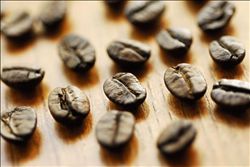
Ethiopian Sidamo Natural Process: Lion King Edition
If you’ve ever wondered why certain Ethiopian coffees taste wildly different from town to town, the answer lies beneath your cup. Sidamo’s diverse microclimates, volcanic soils, and countless native Arabica varieties create distinct flavour profiles even within neighbouring villages. This lot — a standout from the Shilcho Cooperative near Dilla Town — showcases that terroir-driven complexity in full force.
This particular Sidamo natural process lot scored 92 to 94 points three years in a row (2010–2012) on Coffee Review, one of the most respected tasting authorities in the U.S. It comes from the high-altitude, fertile lands of Shilcho Cooperative, and has been pre-selected for outstanding cup quality.
Why Sidamo Produces Such Varied Coffee Flavours
Sidamo, located in Ethiopia’s southern highlands, features a dramatic mix of high mountains, plateaus, valleys, and plains. More importantly, its soils are deep, well-drained volcanic types, often reaching nearly two metres in depth, with dark brown or deep brown surface layers. These soils stay nutrient-rich thanks to natural organic cycling — fallen leaves, decaying plants, and root residue act as continual fertiliser. The result? Coffee trees grow in mineral-rich, biologically active environments that shape unique cup profiles town by town.
The Shilcho Cooperative: A Longstanding Source of Quality
The beans in this lot come from the Shilcho Cooperative, founded in 1976 near Dilla Town. It’s a member of the Sidamo Coffee Farmers Cooperative Union (SCFCU), which helps coordinate quality-focused production and export. For this edition, the lot has undergone a secondary selection process to ensure only beans expressing the best flavour potential are included.
Natural Processing and Its Impact on Flavour
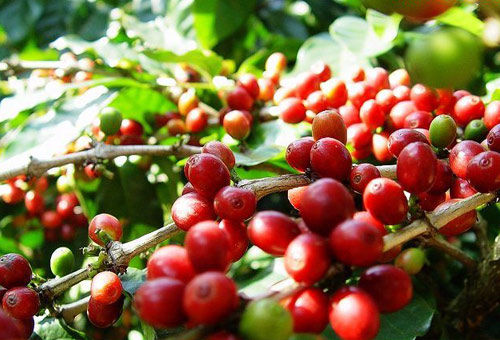
This coffee is processed using the natural (dry) method, a traditional technique where coffee cherries are dried whole with the fruit still attached to the seed. In Sidamo’s ideal climate — high elevation, dry air, and moderate sunshine — this method enhances sweetness and accentuates fruity and floral notes. The extended drying period allows the seeds to absorb more of the cherry’s sugars and aromatics, resulting in a complex, often winey or berry-forward cup.
What Makes This ‘Lion King’ Lot Stand Out?
Though the term ‘Lion King’ isn’t an official designation, it’s used here to reflect the exceptional cup strength, complexity, and consistency this cooperative has delivered over multiple years. The region’s natural diversity, combined with careful processing and post-harvest selection, results in a coffee that’s earned top scores internationally. The volcanic soil, high altitude (1400–2200m), and traditional practices all converge to produce a bright yet sweet, fruit-driven profile.
Frequently Asked Questions
What makes Sidamo coffee different from other Ethiopian regions like Yirgacheffe?
Sidamo covers a larger, more geographically varied area than Yirgacheffe, leading to more diverse flavour profiles. While Yirgacheffe is often brighter and more citrus-forward due to its slightly higher average elevation and specific microclimates, Sidamo includes everything from floral and stone fruit notes to deeper berries and honey-like sweetness, especially in natural processed lots.
What does natural process mean for flavour in Ethiopian coffee?
Natural processing means the coffee cherry is dried with the seeds inside, allowing the fruit to ferment against the bean. In Ethiopia’s ideal dry conditions, this enhances fruity, winey, and sweet characteristics. Compared to washed coffee, naturals from Sidamo often show more body, deeper berry tones, and a syrupy mouthfeel.
Why did this Shilcho lot score 92–94 on Coffee Review?
Coffee Review evaluates submissions blindly based on cup quality, including aspects like acidity, sweetness, aroma, aftertaste, and balance. This Shilcho lot received top marks for its complex fruit profile, clean cup, and balance between sweetness and acidity, qualities consistently found in high-altitude Ethiopian naturals.
How does soil affect the taste of coffee in Sidamo?
Sidamo’s deep, volcanic soils provide abundant minerals and excellent drainage. Nutrients are naturally replenished via leaf litter and decaying plant matter. This organic cycle supports healthy coffee tree development and contributes to a cup with heightened sweetness, complexity, and distinctive regional character.
Where is Dilla Town and why is it significant for coffee?
Dilla Town is a key coffee-growing area in Ethiopia’s Sidamo region. It lies within a high-altitude zone ideal for coffee cultivation. The surrounding cooperatives, including Shilcho, benefit from the area’s rich volcanic soils and microclimatic variation, producing some of Sidamo’s most sought-after lots.
Recommended FrontStreet Coffee Beans from Sidamo
For a true taste of Sidamo’s fruity depth, try FrontStreet Coffee’s Ethiopia Huakui — a classic natural-process Ethiopian offering with bold berry and tropical notes. Also consider FrontStreet’s Yirgacheffe options like Gedeb for a brighter, citrus-forward contrast, or their signature Huakui for that signature Ethiopian winey sweetness. All are single-origin, high-elevation lots with distinct regional character. Freshly roasted within 5 days · Orders placed before 17:00 ship the same day · Next-day delivery across most of Guangdong Province.
FrontStreet Coffee is a long-established specialty coffee roaster in Guangzhou China, selling freshly roasted beans from its own farm in Yunnan as well as dozens of carefully selected single-origin beans from around the world for both pour-over and espresso. The products deliver consistently excellent quality and great value, with shipping within 24 hours. Guangzhou's FrontStreet Coffee shop is recommended by many coffee lovers, and the beans are now available online at the Tmall 。
Important Notice :
前街咖啡 FrontStreet Coffee has moved to new addredd:
FrontStreet Coffee Address: 315,Donghua East Road,GuangZhou
Tel:020 38364473