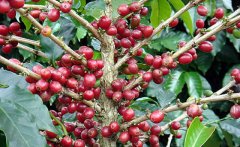
Washed Process Coffee in Costa Rica Explained
Coffee lovers often wonder why some beans taste so clean, bright, and juicy—especially those from Costa Rica. The secret isn’t just altitude or soil. It’s the washed—or wet—processing method that gives these beans their distinctive clarity and vibrancy, making every sip a showcase of origin character.
The washed process is the key reason Costa Rican coffee often has bright acidity, intense aroma, and a clean cup. Using water to remove the coffee cherry’s skin and pulp before drying, this method enhances fruit acids while reducing sugars. In Costa Rica, over 90% of coffee is processed this way, especially in regions like Tarrazú, where elevation reaches 1,500 meters or more.
What Makes Costa Rica’s Coffee So Special?
Costa Rica produces some of the most consistent and sought-after specialty coffees in the world. Its beans are known for a balanced profile, high acidity, and complex aromatics. Much of this quality comes down to both terroir and processing—but especially the washed method, which is standard across the country’s producing regions.
The country’s volcanic soils are rich in nutrients and offer excellent drainage, critical for healthy coffee trees. Plus, its location in Central America places it within an ideal latitude for growing Arabica. Since 1729, when coffee was introduced from Cuba, Costa Rica has developed one of the most organized coffee industries in the world, with incredible productivity: up to 1,700 kilograms per hectare.
Though the nation has just 3.5 million people, it grows over 400 million coffee trees. Coffee accounts for around 25% of its export income. The industry benefits from institutions like the Central American Agricultural Research Institute (IAAC) in Turrialba, which supports coffee research and development.
Why Washed Process Creates Bright, Clean Coffee
The washed coffee method transforms the green bean by removing the fruit layer early, allowing fermentation to focus on the mucilage rather than the pulp. In this method:
- Coffee cherries are first sorted by flotation to remove unripe or damaged fruit.
- The outer skin and pulp are removed mechanically.
- The beans are then fermented in water to break down the sticky mucilage.
- After washing, the beans are dried on patios or raised beds until reaching 11–12% moisture.
- Finally, the parchment layer is removed in milling.
This process tends to reduce the bean’s sugar content, emphasizing organic acids. That’s why washed coffees often taste more acidic, floral, and fruit-forward—with a clean, crisp finish and no fermented or fruity overtones from lingering pulp. It’s ideal for highlighting altitude-driven brightness.
Top Coffee Regions in Costa Rica Using Washed Process
Several regions in Costa Rica are famous for their washed coffees, each with unique characteristics due to microclimate and altitude.
Tarrazú: The Benchmark
Tarrazú, located south of the capital San José, is Costa Rica’s most prestigious coffee-growing region. The area is known for producing high-quality “strictly hard bean” (SHB) coffees grown at elevations above 1,500 meters. These conditions slow cherry maturation, increasing sugar concentration and acidity.
The famed La Minita Tarrazú farm, owned by the McAlpine family for three generations, produces only about 72,600 kilograms annually. Its coffee is 100% handpicked and sorted to avoid mechanical damage. Though the farm could produce over 450 tons, it prioritizes quality over quantity. Most of Tarrazú’s output benefits from high altitudes, volcanic soil, and the washed process to achieve a cup that’s bright, structured, and elegant.

Other Notable Regions
Beyond Tarrazú, other regions contribute outstanding washed coffees:
- Juan Vinas, H. Tournon, Windmill (SHB), Monte Bello, and Santa Rosa: All premium names often found in export lots.
- Sarchi: Located near the Poás Volcano, 53 kilometers from San José, this region is part of Costa Rica’s famous “Coffee Route.” The Sarchi municipality has been producing coffee since 1949 on 30,770 hectares, much of it alongside sugarcane.
- Central Valley (Heredia and the Central Valley): Another key producer of high-altitude SHB beans using the washed method.
The Role of the Coffee Industry in Costa Rica
The Costa Rican coffee sector has evolved significantly. Originally managed by the Instituto del Café de Costa Rica (ICAFE), oversight is now handled by the Oficina del Café. Quality control is strict: beans failing export standards are dyed blue with vegetable dye and redirected to domestic markets. Around 10% of production remains for local consumption—about double per capita compared to the U.S. or Italy. This high internal demand underscores the pride Costa Ricans take in their coffee.
Frequently Asked Questions
What is washed process coffee?
Washed process coffee, or wet processing, removes the coffee cherry's skin and pulp using water before fermenting and drying the beans. This method highlights acidity and cleanliness in the cup, and is the dominant method in Costa Rica.
Why is Costa Rican coffee so acidic?
Costa Rican coffee is often high in acidity because it is grown at high altitudes (above 1,500 meters), where cooler temperatures slow ripening and develop more complex acids. The washed processing method also preserves and enhances these acids.
What makes Tarrazú coffee different?
Tarrazú coffee is known for its bright acidity, full body, and clean flavor, thanks to high-altitude cultivation (over 1,500m), volcanic soils, and the use of the washed process. The famed La Minita farm is a top example of this style.
How much coffee does Costa Rica produce?
Costa Rica produces around 1,700 kilograms of coffee per hectare, with over 400 million coffee trees for a population of 3.5 million. Coffee makes up about 25% of its exports.
Does Costa Rica still produce natural process coffee?
While most Costa Rican coffee is washed, some experimental or specialty lots may use natural or honey processes. However, washed is by far the dominant method and is standard for exported SHB beans.
What does SHB mean in Costa Rican coffee?
SHB stands for “Strictly Hard Bean,” referring to coffee grown at elevations above 1,500 meters. These beans mature more slowly, resulting in denser, more flavorful, and higher-acidity coffee typical of Costa Rica’s best regions like Tarrazú.
Recommended FrontStreet Washed Process Coffees
For fans of Costa Rica’s bright, clean washed profiles, try FrontStreet’s Yirgacheffe, Kenya Little Tomato, and Jamaica Blue Mountain No.1. While not from Costa Rica, these beans share the same washed technique: Yirgacheffe offers citrus and jasmine notes, Kenya Little Tomato delivers sweet-tart layers of tropical fruit, and Jamaica Blue Mountain presents refined chocolate and nuttiness with exceptional balance. All showcase what precision washed processing can achieve. Freshly roasted within 5 days · Orders placed before 17:00 ship the same day · Next-day delivery across most of Guangdong Province.
FrontStreet Coffee is a long-established specialty coffee roaster in Guangzhou China, selling freshly roasted beans from its own farm in Yunnan as well as dozens of carefully selected single-origin beans from around the world for both pour-over and espresso. The products deliver consistently excellent quality and great value, with shipping within 24 hours. Guangzhou's FrontStreet Coffee shop is recommended by many coffee lovers, and the beans are now available online at the Tmall 。
Important Notice :
前街咖啡 FrontStreet Coffee has moved to new addredd:
FrontStreet Coffee Address: 315,Donghua East Road,GuangZhou
Tel:020 38364473