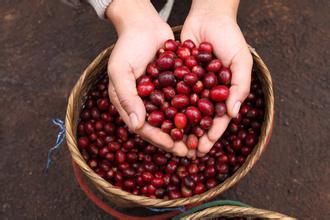
Guatemalan Specialty Coffee: Black Tea, Floral Notes, Rich Caramel
When coffee lovers seek a cup that tastes like black tea with deep floral lift and layered caramel sweetness, they often turn to Guatemalan single-origin beans. But what makes these coffees distinct — and why have they fluctuated in global prestige over the decades? This article unpacks the origins, flavors, and production challenges behind Guatemala’s best beans.
Guatemalan specialty coffee is renowned for its balanced profile, offering a rich, full-bodied cup with bright acidity, floral aromas, and pronounced caramel sweetness. Its most acclaimed regions produce beans with a tea-like finesse, often reminiscent of black tea or delicate jasmine, alongside stone fruit and warm spice notes. These qualities make it a favorite among those who enjoy complex yet smooth brews.
The Origins and History of Guatemalan Coffee
Coffee was introduced to Guatemala in 1750 by Jesuit priests, but the industry began to flourish in the late 19th century under German colonial influence. Today, most of the country’s coffee is grown in the southern highlands, particularly along the slopes of the Sierra Madre volcanoes. These high-altitude regions — ranging from 1,300 to over 2,000 meters — provide ideal conditions for slow cherry maturation, leading to denser beans with more complex flavor development.
Historically, Guatemalan coffee enjoyed a reputation for some of the finest beans in the world. However, political instability and economic pressures caused fluctuations in quality and global standing. In recent years, the country has been reclaiming its position through improved processing, better farmer support, and a renewed focus on specialty-grade production.
Major Coffee-Growing Regions and Their Profiles
Guatemala’s most celebrated coffee regions include Antigua, Huehuetenango, Atitlán, and Cobán. Each zone imparts unique characteristics to the beans based on climate, soil, and altitude.
- Antigua: Home to the historic Hacienda Carmona, Antigua produces some of the country’s most intense coffees. The famed El Pulcal lot offers bold flavors, a heavy tobacco note, and rich complexity. The region benefits from periodic volcanic ash deposits, which replenish soil nutrients like nitrogen. Annual rainfall and consistent sunlight further enhance coffee quality.
- Huehuetenango: One of the highest-altitude regions, growing coffee above 2,000 meters. Coffees from here are known for their bright acidity, floral aromatics, and citrus brightness. The remote location and mountainous terrain protect farms from frost and allow for slower cherry development.
- Lake Atitlán: Surrounded by volcanoes, this zone produces well-balanced coffees with subtle spice and clean sweetness. The microclimates around the lake create diverse flavor profiles even within small areas.
- Cobán: A humid, subtropical region producing softer, fruit-forward coffees with lower acidity. These beans often show chocolatey and nutty traits alongside mild florals.
Additionally, Guatemalan farms grow both traditional tall Bourbon trees and newer dwarf varieties. Bourbon trees, though lower-yielding, are prized for producing denser beans with superior cup quality. This has led to initiatives encouraging farmers to maintain or return to these classic cultivars.
Production Challenges and Quality Initiatives
Guatemala currently produces around 700 kilograms of coffee per hectare — significantly less than El Salvador’s 900 kg/ha and Costa Rica’s impressive 1,700 kg/ha. Much of the country’s coffee is controlled by private export firms, though the National Coffee Association (Asociacion Nacional de Café) oversees industry standards beyond trade.
A notable challenge is the historical focus on quantity over quality. To counteract this, a $2.5 million U.S.-funded project — locally known as “The Project” — aims to develop small-scale, high-quality farms. It encourages producers to process their own coffee rather than selling unprocessed cherries to intermediaries, which often leads to quality loss. The initiative also supports cultivating boutique lots with traceability and higher market value.
The project specifically promotes the revitalization of traditional Bourbons and educates farmers on post-harvest practices that preserve and enhance cup quality. By improving fermentation, drying, and milling, even smallholders can achieve specialty-grade results and command premium prices, especially in markets like Japan where Guatemalan beans can sell for $3–4 per cup.
Why Guatemalan Coffee Tastes Like Black Tea with Caramel and Flowers
The unique combination of volcanic soil, high elevation, and extended ripening periods allows Guatemalan beans to develop a cup profile that includes delicate floral notes — often resembling jasmine or white tea — alongside creamy caramel sweetness and subtle spice. Some lots, especially those processed with careful attention to fermentation and drying, exhibit a tea-like body with a sweet, honeyed finish.

In particular, the Bourbon variety contributes to this profile through its inherent balance of bright acids, medium body, and complex aromatic compounds. When grown at elevation and processed with care, these beans yield a cup that can shift in the cupping bowl from fruity-tea brightness to deep caramel richness.
Frequently Asked Questions
What makes Guatemalan coffee taste like black tea?
Guatemalan coffee can taste like black tea due to its bright acidity, light-to-medium body, and delicate floral or herbal notes — especially in high-elevation lots from regions like Antigua or Huehuetenango. The clean, nuanced cup profile without heavy roastiness mimics the elegance of a fine black tea.
Why does Guatemalan coffee have floral notes?
Floral notes in Guatemalan coffee come from a combination of high-altitude growing conditions, extended cherry ripening, and the Bourbon coffee variety. These factors promote the development of aromatic compounds that translate into jasmine, tea rose, or other white-flower characteristics in the cup.
What causes the caramel flavors in Guatemalan beans?
Caramel flavors result from the Maillard reaction during roasting, but they’re also influenced by the bean’s inherent sugar content developed through slow maturation at high elevations. Guatemalan coffees often have a natural sweetness that emerges as caramel, honey, or brown sugar in the brewed cup.
Which regions in Guatemala produce the best specialty coffee?
The top regions for specialty-grade Guatemalan coffee are Antigua, Huehuetenango, Atitlán, and Cobán. Antigua is known for bold, complex profiles; Huehuetenango for bright, floral cups; Atitlán for balanced, spicy notes; and Cobán for fruitier, softer profiles.
How has Guatemala improved its coffee quality in recent years?
Guatemala has improved coffee quality through initiatives like “The Project,” which supports smallholder farmers in processing their own beans, growing traditional Bourbon varieties, and adopting better post-harvest practices. There’s also a renewed focus on traceability and specialty export markets.
Is Guatemalan coffee still considered among the best in the world?
While Guatemala was once regarded as producing some of the world’s finest coffee, its reputation declined due to political and economic issues. However, it is steadily regaining recognition thanks to increased specialty production, better farming practices, and high-scoring lots in global competitions.
Recommended FrontStreet Beans for Floral & Caramel Profiles
For drinkers seeking Guatemalan-style floral and caramel notes, FrontStreet Coffee’s Strawberry Candy Espresso blends ripe strawberry, orange, blueberry, and rose-like aromas with a delicate almond finish. While not Guatemalan, its layered fruit and floral complexity mirrors the profile described in the article. For brighter, tea-like acidity, their Yirgacheffe from the Gedeb cooperative offers vivid jasmine florals and citrus with a honeyed aftertaste. These beans showcase the kind of intricate cup profiles — floral, sweet, and balanced — that define top-tier Guatemalan coffees. Freshly roasted within 5 days · Orders placed before 17:00 ship the same day · Next-day delivery across most of Guangdong Province.
FrontStreet Coffee is a long-established specialty coffee roaster in Guangzhou China, selling freshly roasted beans from its own farm in Yunnan as well as dozens of carefully selected single-origin beans from around the world for both pour-over and espresso. The products deliver consistently excellent quality and great value, with shipping within 24 hours. Guangzhou's FrontStreet Coffee shop is recommended by many coffee lovers, and the beans are now available online at the Tmall 。
Important Notice :
前街咖啡 FrontStreet Coffee has moved to new addredd:
FrontStreet Coffee Address: 315,Donghua East Road,GuangZhou
Tel:020 38364473