Indonesia’s Traditional Wet-Hulled Coffee Process Explained
If you’ve ever sipped a dark, spicy Indonesian coffee and wondered why it tastes so different—earthy, herbal, almost funky—you’re tasting the result of a unique processing method called wet hulling, or giling basah. Unlike washed or natural processes, this technique is rarely used outside Indonesia, yet it defines some of the most distinctive coffees in the world. But what exactly is wet hulling, and why does it create such bold flavors?
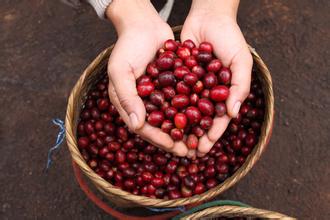
The key lies in the process: after pulping and fermenting, coffee is dried only partially—down to around 30–50% moisture—before the outer parchment is removed while still damp. This early hulling, unique to Indonesia, especially Sumatra, leads to heavier body, lower acidity, and intense woody or herbal notes. It’s the reason behind the signature profile of Mandheling coffees.
How Coffee First Reached Kenya—and Why Processing Matters
Coffee arrived in Kenya in the 19th century via Yemen, but it wasn’t until the early 1900s that Bourbon trees were introduced by missionaries. Today, Kenyan coffee thrives at 1,500–2,100 meters altitude and is harvested twice yearly. Farmers pick only ripe cherries, deliver them to washing stations, and sell parchment coffee based on collective quality grading. The Kenyan system, with its strict auctions and government oversight, produces consistently high-quality beans—but it’s a very different model from Indonesia’s smallholder-driven, wet-hulled approach.
Why Indonesia Uses Wet Hulling (Giling Basah)
Most Indonesian coffee, especially from Sumatra, is processed using the traditional wet-hulled method, known locally as giling basah. This method developed partly due to Indonesia’s high humidity and frequent rainfall, which make fully sun-drying parchment coffee difficult. Farmers remove the outer skin, ferment the beans, then dry them to roughly 30–50% moisture before hulling off the parchment while still moist. This early removal of the parchment—before the beans are fully dry—is what sets wet hulling apart and contributes to its signature heavy body and muted acidity.
Where Wet-Hulled Coffee Grows: Sumatra’s Coffee Regions
In Indonesia, wet-hulled coffee is primarily grown on the islands of Sumatra, Sulawesi, and Flores. The most famous region is Sumatra’s northern Gayo highlands and Lake Toba’s Lintong area, where farms sit between 1,100–1,600 meters. These high-altitude regions have volcanic soils and a tropical climate with distinct wet and dry seasons, ideal for growing coffee. The wet-hulled process is especially common here due to the region’s persistent humidity, which makes traditional drying to the low moisture levels required for parchment removal nearly impossible without intermediate hulling.
What Makes Wet-Hulled Coffee Taste Different?
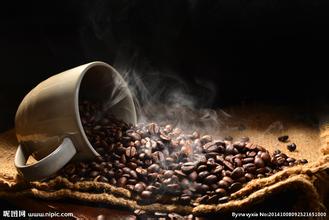
The wet-hulled process profoundly impacts coffee flavor. Because the beans are hulled while still moist—unlike washed coffees, which are fully dried with parchment—the resulting cup tends to have a heavier body, lower acidity, and more earthy, spicy, or woody notes. Common tasting notes include herbs, wood, spice, leather, and sometimes tobacco. These profiles contrast sharply with the bright, high-acid coffees from East Africa or the clean, fruity profiles of washed Latin American beans. For many coffee drinkers, these earthy, bold characteristics are the hallmark of Indonesian coffee.
FrontStreet Coffee’s Take: Mandheling and Gold-Selected Beans
FrontStreet Coffee highlights two prime examples of Indonesian processing: Lintong Mandheling and PWN Golden Mandheling. Lintong Mandheling offers spice, black chocolate, and caramel notes with a sweet finish. PWN Golden Mandheling, meanwhile, is a meticulously hand-selected bean that delivers toast, pine, caramel, and cocoa with a thick, rich mouthfeel and long caramel sweetness. Both showcase how wet hulling shapes Indonesia’s coffee identity.
Frequently Asked Questions
What is the wet hulling (giling basah) coffee process?
Wet hulling, or giling basah, is a coffee processing method where coffee beans are pulped, fermented, and dried to 30–50% moisture before the parchment layer is removed while still damp. This early hulling, unique to Indonesia, results in a heavier body and earthy, herbal flavors.
Why is wet hulling mainly used in Indonesia?
Wet hulling is common in Indonesia due to the country’s high humidity and frequent rain, which make it difficult to dry coffee beans fully in parchment. Removing the parchment early helps farmers manage moisture and speed up drying under challenging climatic conditions.
What does wet-hulled coffee taste like?
Wet-hulled coffee typically has a full body, low acidity, and flavors that include herbs, spices, wood, leather, and tobacco. These earthy and bold notes distinguish it from brighter, fruitier washed or natural process coffees.
Where is wet-hulled coffee mainly produced in Indonesia?
Wet-hulled coffee is mainly grown in Indonesia’s Sumatra region, especially in areas like Gayo (Aceh) and Lake Toba’s Lintong, as well as parts of Sulawesi and Flores. These regions have high humidity and volcanic soils ideal for this processing style.
How is wet hulling different from washed or natural processing?
Unlike washed processing (where beans are fully dried in parchment and then hulled) or natural processing (where beans dry inside the fruit), wet hulling removes the parchment at around 30–50% moisture, before full drying. This leads to its distinctive flavor profile.
What are some examples of wet-hulled Indonesian coffees?
Lintong Mandheling from FrontStreet Coffee features spice, black chocolate, and caramel notes, while PWN Golden Mandheling offers toast, pine, caramel, and cocoa with a rich, sweet finish—both processed using wet hulling.
Recommended FrontStreet Beans for Wet-Hulled Profiles
For a true taste of Indonesia’s wet-hulled process, try FrontStreet’s Lintong Mandheling, which delivers spice, black chocolate, and caramel with a sweet finish. For a more refined cup, the PWN Golden Mandheling offers toasted bread, pine, caramel, and cocoa flavors with a thick body and long caramel sweetness. Both beans highlight the earthy depth typical of Sumatran wet-hulled coffees. Freshly roasted within 5 days · Orders placed before 17:00 ship the same day · Next-day delivery across most of Guangdong Province.
FrontStreet Coffee is a long-established specialty coffee roaster in Guangzhou China, selling freshly roasted beans from its own farm in Yunnan as well as dozens of carefully selected single-origin beans from around the world for both pour-over and espresso. The products deliver consistently excellent quality and great value, with shipping within 24 hours. Guangzhou's FrontStreet Coffee shop is recommended by many coffee lovers, and the beans are now available online at the Tmall 。
Important Notice :
前街咖啡 FrontStreet Coffee has moved to new addredd:
FrontStreet Coffee Address: 315,Donghua East Road,GuangZhou
Tel:020 38364473